All-purpose lawn blend for the Northeast. Good for a range of conditions, full sun to partial shade. Makes a great understory for orchards and other perennial woody crops.
read more
Superb cover crop mix for fall planting where mechanical tillage is available the following spring. 78% winter rye and 22% hairy vetch. Adds nitrogen to the soil and suppresses weed growth.
read more
Perennial pasture mix of grasses and clover, well suited to Maine and other areas with similarly variable weather and temperatures. Provides season-long regrowth and good grazing.
read more
A superior soil-building cover crop mix. The oats come up first and are pulled down by the peas, which are then pulled down by the smothering vetch. Weeds don’t stand a chance in that jungle!
read more
Avena sativa Annual grass. A solid all-purpose oat. Generates biomass and smothers weeds. Tolerates bad weather and soil conditions. Excellent feed for cows and horses.
read more
Avena sativa Annual grass. Vigorous, lush foliage. Significantly more biomass production than common oats, making them superior for cover-cropping/soil-building, and for feeding livestock. Organic seed.
read more
Avena nuda Annual grass. Great for food or feed. The hull sheds easily during the normal threshing process—industrial-grade milling not required!
read more
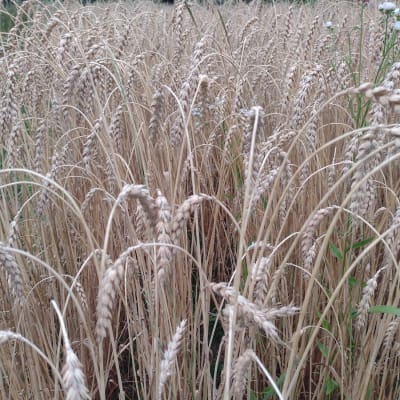
Triticum aestivum Winter annual grain. Extremely cold hardy hard red wheat. Flour has great flavor and texture, and sturdy plants make great straw. Good for small spaces. Well adapted to New England. Will Bonsall fave!
read more
Secale cereale Winter annual grass. Extremely frost hardy, adaptable and competitive. For cover crop or grain. Deep extensive roots help prevent compaction and improve soil tilth. Vigorous spring regrowth.
read more
With 26 full-page illustrations (including covers), our exclusive coloring book features some mash-ups you might recall from past catalogs, and some brand-new ones, for an all-ages coloring fun fest.
read more
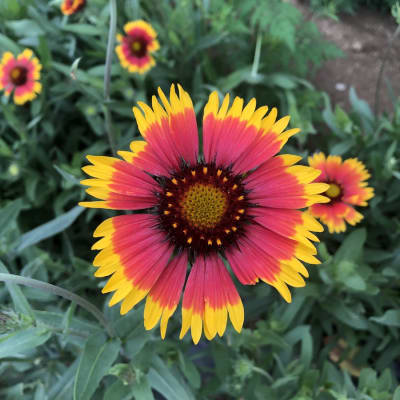
Gaillardia aristata (90 days) Open pollinated. Sun-loving native wildflower of the American Southwest is a favorite of butterflies and of gardeners who make bouquets. Perennial.
read more
Hordeum vulgare Open pollinated. An historic 6-rowed barley selected by Luther Burbank from California hulless barley. In his final seed catalog he called it “one of [his] greatest grain creations.”
read more
Sorghum bicolor (105 days) Open pollinated. Sprays of ornamental seedheads in gold, bronze, brown, black, burgundy, red and cream are great for making natural straw brooms and classic autumnal displays. Small shiny seeds are beloved by birds.
read more
Oryza sativa (115 days) Open pollinated. Upland short-grain hardy Russian variety adapted to dry-land production. Can withstand a light frost. May be direct seeded in warmer regions.
read more
Amaranthus tricolor (120 days) Open pollinated. Very red Jamaican traditional green for Callaloo stew. Beautiful tricolor blaze makes it ornamental as well.
read more
Lupinus mutabilis (130 days, longer to seed) Open pollinated. “Lost” crop of the Incas. Wild-looking 3' lupine native to the high Andes. Attractive, many-colored flowers. Protein-rich seeds.
read more
Triticum aestivum Open pollinated. Extremely cold hardy hard red wheat good for small spaces and well adapted to New England. Flour has great flavor and texture, and sturdy plants make great straw.
read more
Vitis spp. Mid-Late. Small-medium dark grapes in small to medium-sized clusters. The best variety this side of the Atlantic for a Pinot Noir-style red wine. Z3.
read more
Vitis spp. Very Early. Large seedless blue berries good for fresh eating, juice or raisins. Resists cracking and performs well in hot wet summers. Very vigorous. Z5.
read more
Open pollinated. Two packets: one mixed lettuces, one mixed greens. Plant lettuces first, then greens for fabulous salad mixes. Cut then water, and they grow again.
read more
Valerianella locusta (60 days) Open pollinated. Heirloom. Vigorous large-leaf type of staple salad green. Best for sowing in spring for early summer harvest.
read more
Specialized trapezoidal shape with two cutting edges slices plants off at ground level for clean quick harvesting or nips sideshoots for continued growth. Stainless steel blade.
read more
100% silicone grips feature finger grooves and a larger grip circumference, so the weight is more evenly distributed on your hand. Easy to put on and take off but doesn’t come loose during use.
read more
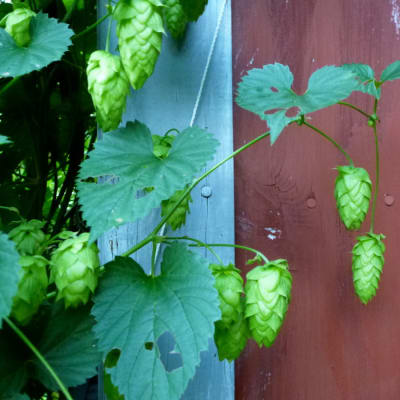
Humulus lupulus Late summer. Fragrantly aromatic hops, low bittering value. Very productive with large cones, ready to harvest mid-late August in central Maine. Z3.
read more
Humulus lupulus Excellent all-purpose hop. Low bittering. Spicy aroma. Good finishing hop for brewing English ales and stouts. Vigorous. Good disease resistance. Z3.
read more
Brassica oleracea (acephala group) (65 days) F-1 hybrid. Crinkly and very curly, of the Dutch borecole type. Upright uniform productive plants hold well in the field in all weather conditions and continue to grow.
read more
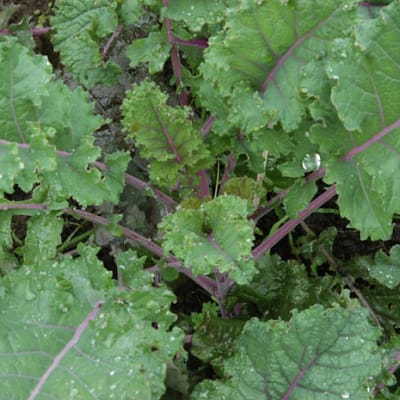
Brassica oleracea (acephala group) (61 days) Open pollinated. Lacinato crossed with Redbor. Curly edges, red veins, purple or blue-green leaves, diverse shapes and colors. Productive and cold-hardy.
read more
Brassica oleracea (acephala group) (60 days) F-1 hybrid. Tall plants with ruffled red leaves; color intensifies in cool weather. Very cold hardy ornamental edible.
read more
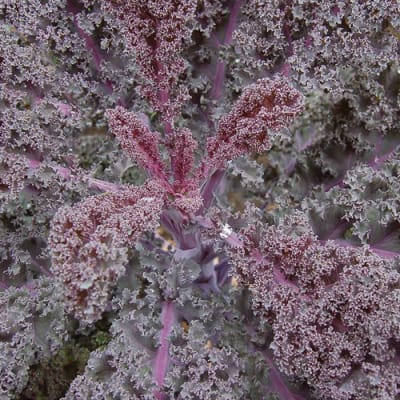
Brassica oleracea (acephala group) (30 days baby, 55 days mature) Open pollinated. Frilly purple leaves suitable for baby leaf or bunching. Similar to Redbor leaf shape and color.
read more
Brassica oleracea (acephala group) (60 days) Open pollinated. Vigorous upright lacinato-leaved kale in a range of bluish-green shades, all with a dramatic pink mid-rib.
read more
Brassica napus (pabularia group) (60 days) Open pollinated. Unsurpassed tenderness and flavor. Green oakleaf with purple veining darkens in cold weather. Wilts quickly once picked. Great microgreens.
read more
Brassica napus (pabularia group) (60 days) Open pollinated. Unsurpassed tenderness and flavor. Green oakleaf with purple veining darkens in cold weather. Wilts quickly once picked. Great microgreens.
read more
Brassica napus (pabularia group) (60 days) Open pollinated. Serrated silvery-green flat-leaf Siberian-type kale with white veining. Sweetens after frost. Extremely cold hardy.
read more
Brassica oleracea (gongylodes group) (130 days) Open pollinated. Czechoslovakian heirloom. Green kohlrabi can exceed 10" and 10 lb without getting woody. Crisp white interior is mildly tangy.
read more
Brassica oleracea (gongylodes group) (38 days) F-1 hybrid. A nicely rounded head, with rampant health and vigor. Crunch crisp texture and mild nutty sweetness.
read more
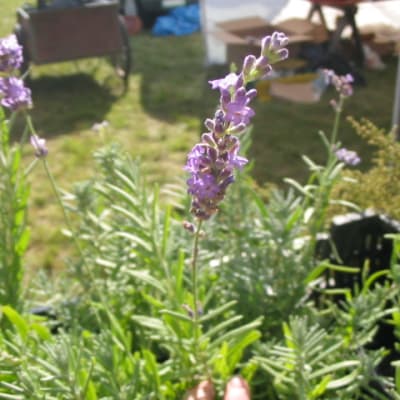
Lavandula angustifolia Open pollinated. Also known as English Lavender. Not a named variety; perhaps a less-refined habit than Vincenza Blue.
read more