Malus spp. This is a twig for grafting. Winter. Medium-to-large dessert apple is hard, very crisp, juicy, tart. Keeps till May. Highly disease-resistant. Blooms midseason to late. Z4.
read more
Malus spp. Late summer-fall. Medium size, crisp white flesh. All-purpose. Keeps till late fall. Scab-immune. Annual bearer, begins at early age. Z4.
read more
Malus spp. Fall. The most important apple in the Northeast. Delicious and aromatic. All-purpose. Annual bearer. Very susceptible to scab. Z4.
read more
Malus spp. Winter. Famous heirloom apple. Very large, juicy, tender. Makes a great single-variety pie! All-purpose. Good keeper. Scab-resistant. Z4.
read more
Malus spp. Fall. Modern apple bred for disease resistance, shelf life and flavor. Great fresh eating. Flesh stays white when sliced. Easy-to-grow annual producer. Z4.
read more
Malus spp. Fall-winter. Large high-quality sweet dessert fruit. A modern apple worthy of the grocery-store world. Keeps most of the winter. Z4.
read more
Malus spp. Mid-late summer. A fine summer dessert and cider apple. Makes delicious pink sauce. Tree is vigorous, precocious and annual bearing. Z4.
read more
Malus spp. Fall. Very sweet with low acidity. Creamy yellow aromatic flesh suitable for fresh eating or cooking. Presses into a sweet juice. Z4.
read more
Malus spp. Fall-early winter. One of the first American varieties. Unforgettably peculiar sweet flavor. Very low acidity. Truly all-purpose. Z4.
read more
Malus spp. Fall. Small and flavorful! Crisp, juicy, tart, tangy, spicy. Good in hard cider. Keeps till January. Precocious and productive. Z4.
read more
Malus spp. Fall-winter. Famous American heirloom apple. Large brilliant shiny yellow with a bright red blush. Best for fresh eating: aromatic, slightly crisp, juicy, mild. Good sauce. Z4.
read more
Malus spp. Fall. Excellent bittersweet for blending in hard cider. Juicy firm quite bitter very astringent flesh has a very high sugar content. Rare. Z4.
read more
Malus spp. Fall. High-quality bittersweet variety recommended for blending with other fall varieties. Soft astringent tannins. Narrow upright tree form. Becoming popular commercially in New England. Z4.
read more
Malus spp. Classic culinary crab. Still found in old Maine dooryards. Apricot-pink buds, large fragrant pure white single flowers. Great for canning, pickling, delicious sauce and flavorful ruby-red jelly. Z2.
read more
Brassica rapa (37 days) Open pollinated. Produces many pencil-thick deep purple flowering shoots with pleasing mild mustard flavor. Grows best in cool weather.
read more
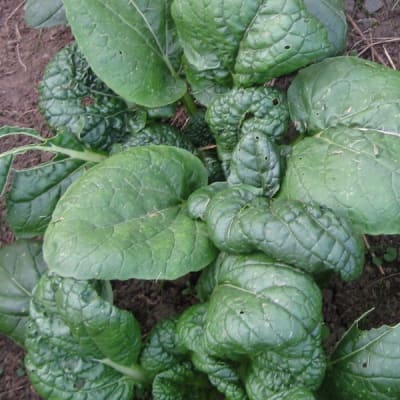
Brassica rapa (narinosa group) (45 days) Open pollinated. Spoon-shaped dark green leaves in compact rosettes. Very hardy. Cut-and-come-again.
read more
Brassica rapa (narinosa group) (45 days) Open pollinated. Spoon-shaped dark green leaves in compact rosettes. Very hardy. Cut-and-come-again.
read more
Brassica oleracea (45-60 days) F-1 hybrid. Also called Chinese Broccoli. Grown for succulent stems, leaves and florets. Uses and flavor similar to broccoli. Tolerant to heat and cold.
read more
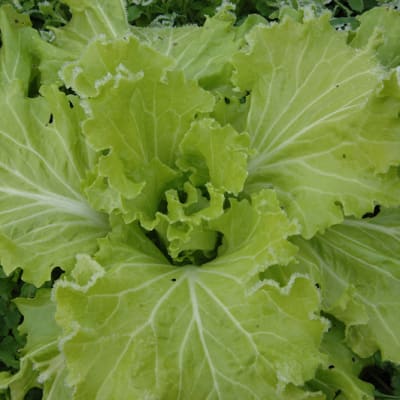
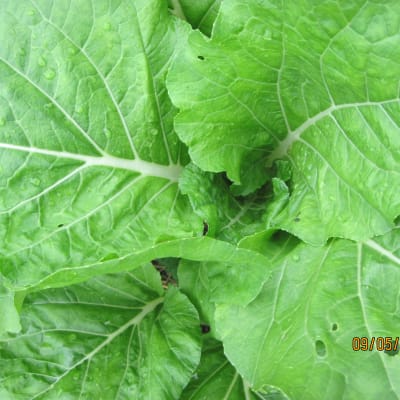
Brassica rapa (chinensis group) (20 days baby, 45 days full size) Open pollinated. Lettucy pale green ruffled leaves. Mild, sweet. Will re-grow after cuttings. Cold hardy.
read more
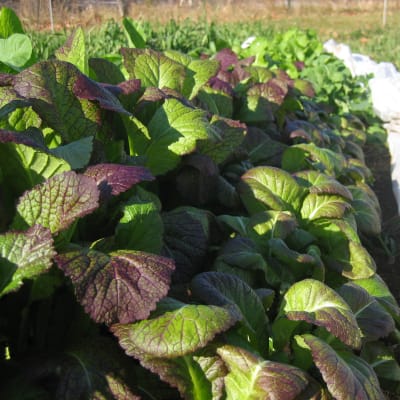
Brassica juncea (integlifolia group) (45 days) Open pollinated. Japanese heirloom. Large purple-tinted savoyed leaves. Peppery flavor. Standard mesclun ingredient. Cold tolerant.
read more
Brassica juncea (40 days) Open pollinated. Bold purple-blushed delicately serrated mizuna-type leaves with sweet and spicy flavor. For spring and fall plantings. Bolts in heat.
read more
Brassica rapa (45 days full size; 21 baby) Open pollinated. Grows in rosettes like tatsoi, but bigger, more upright with leaves less shiny and more puckered. Harvest young for salad greens or mature for braising.
read more
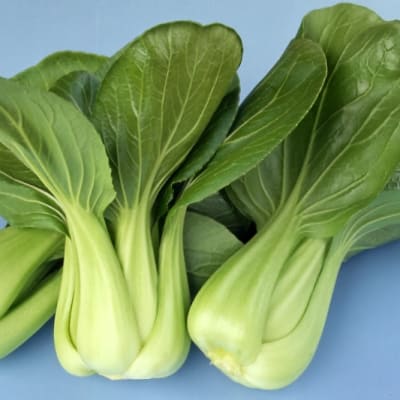
Brassica rapa (chinensis group) (45 days) F-1 hybrid. Baby pac choi with green stems, likes cool temperatures but resists bolting. Vase-shaped 11" plants have broad green petioles.
read more
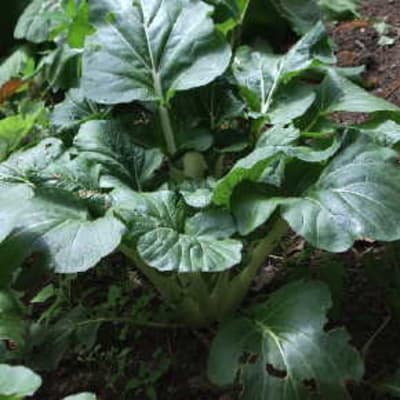
Brassica rapa (chinensis group) (50 days) F-1 hybrid. Uniform pac choi heads with dark green leaves and thick succulent basal stems. For summer and fall crops.
read more
Brassica rapa (chinensis group) (50 days) Open pollinated. Classy pac choi with celery-like white stems and vase-shaped 15-18" tall heads. Succulent stems and tender greens.
read more
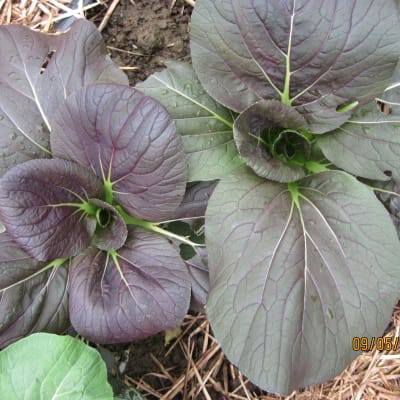
Brassica rapa (chinensis group) (48 days) F-1 hybrid. Most vigorous and darkest-hued strain. Purple leaves with green veins and stems. 8-10" heads at maturity.
read more
Phaseolus vulgaris (57 days) Open pollinated. 6" pods. Long a standard for flavor. Not heat tolerant, but excellent for fall crops. White seed.
read more
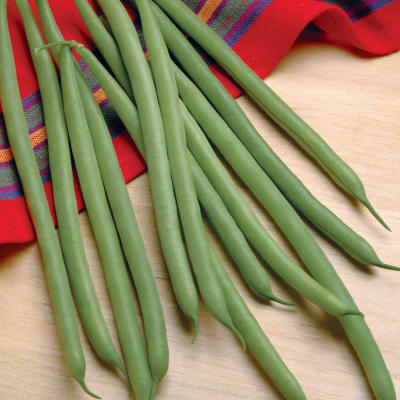
Phaseolus vulgaris (56 days) Open pollinated. High yields of tasty 5–7" straight slender round dark green beans. Holds quality well both on the plant and after harvest.
read more
Phaseolus vulgaris (56 days) Open pollinated. High yields of tasty 5–7" straight slender round dark green beans. Holds quality well both on the plant and after harvest.
read more
Phaseolus vulgaris (90 days) Open pollinated. Produces 4-5 beautiful black-and-white beans per pod, with a texture similar to Yellow Eye. Doubles in size when cooked.
read more