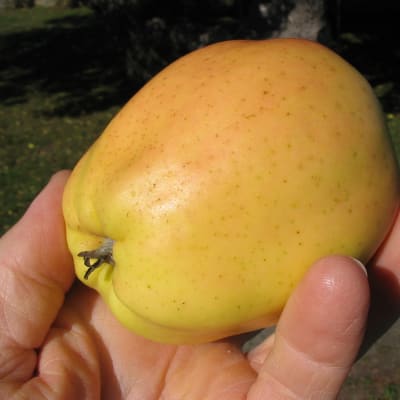
Malus spp. Fall-early winter. One of the first American varieties. Unforgettably peculiar sweet flavor. Very low acidity. Truly all-purpose. Z4.
read more
Malus spp. Summer. Size and shape of an egg. Crisp, crunchy with spicy sweet flavor. Exceptional fresh-eating! Precocious, annually productive. Z2/3.
read more
Malus spp. Fall. Medium-sized. Perfect texture and complex flavor. Famous all-purpose variety. Especially good pies. Small-med size tree. Z3.
read more
Malus spp. This is a twig for grafting. Fall. Medium-sized firm crisp juicy apple is highly flavored. Famous heirloom dessert apple. Keeps till early winter. Blooms midseason. Z4.
read more
Malus spp. Fall. Small and flavorful! Crisp, juicy, tart, tangy, spicy. Good in hard cider. Keeps till January. Precocious and productive. Z4.
read more
Malus spp. This is a twig for grafting. Summer. Nice balance of tart and sweet. Crisp and juicy fresh-eating; fine cooking. Disease-resistant; scab immune. Z4.
read more
Malus spp. This is a twig for grafting. Late fall. Distinctly bumpy rough texture. Highly flavored. Excellent dessert apple for the connoisseur. Z4.
read more
Malus spp. This is a twig for grafting. Fall. Famous old-time apple. Huge fruit with firm but tender flesh. Aromatic tart flavor. Excellent cooking and drying. Scab-resistant. Z3.
read more
Malus spp. This is a twig for grafting. Winter. Large firm crisp fine-grained juicy aromatic all-purpose apple does everything well, including keeping all winter. Blooms early-midseason. Z4.
read more
Malus spp. Late summer. Medium-sized, highly-flavored fruit. Good balance of acid/sweet. Crisp and juicy fresh-eating. Stores up to seven weeks. Z3.
read more
Malus spp. Ornamental flowering crabapple with beautiful rose-like blossoms and bitter green fruit. Very high in tannin. Great for cidermakers! Blooms late. Z4.
read more
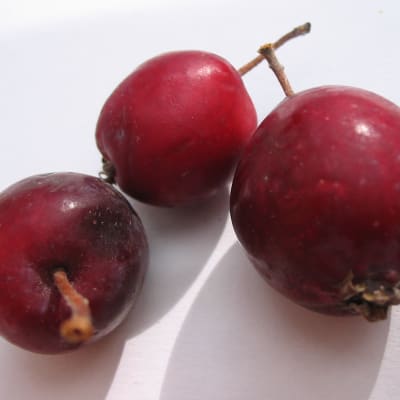
Malus spp. Classic culinary crab. Still found in old Maine dooryards. Apricot-pink buds, large fragrant pure white single flowers. Great for canning, pickling, delicious sauce and flavorful ruby-red jelly. Z2.
read more
Malus spp. This is a twig for grafting. 25x30'. Classic culinary crab. Apricot-pink buds, large fragrant pure white single flowers. Beautiful fruit makes flavorful ruby-red jelly. Z2.
read more
Arnica chamissonis 8-12" tall. Low spreading groundcover with bright yellow daisy-like flowers used externally in oils and salves to treat bruises, sprains, inflammation. Z3.
read more
Brassica rapa (37 days) Open pollinated. Produces many pencil-thick deep purple flowering shoots with pleasing mild mustard flavor. Grows best in cool weather.
read more
Brassica rapa var. perviridis (40 days) F-1 hybrid. Productive open plant habit with delicious round medium-green leaves. Spring sowings tolerate drought and heat into fall. Can be overwintered in warm climates.
read more
Phaseolus vulgaris (60 days) Open pollinated. Fortex begins producing early and keeps going into fall, long after others have quit. Its flavor and texture reign supreme, a distinctive nutty taste that can be enjoyed raw or cooked.
read more
Phaseolus vulgaris (59 days) Open pollinated. Produces heavy yields of fleshy medium-green 5" pods that are slow to develop seeds. Pods aren’t as wide as Roma II, but walls are thicker and juicier.
read more
Monarda punctata Open pollinated. A whimsical beauty with complex blossoms and many culinary and medicinal uses. Its oregano-like aroma and flavor is lovely for tea and seasoning.
read more
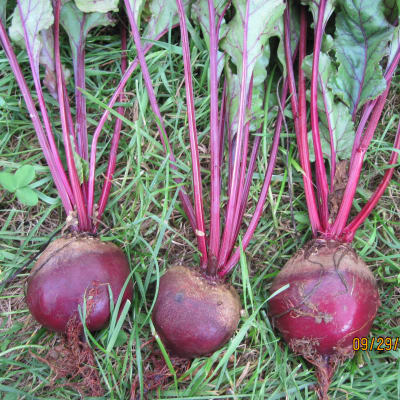
Beta vulgaris (48 days) Open pollinated. From 1911, beloved by commercial growers and home gardeners. Early beet greens and bunching beets. Quick cold soil emergence. Attractive purple tops.
read more
Beta vulgaris (48 days) Open pollinated. From 1911, beloved by commercial growers and home gardeners. Early beet greens and bunching beets. Quick cold soil emergence. Attractive purple tops.
read more
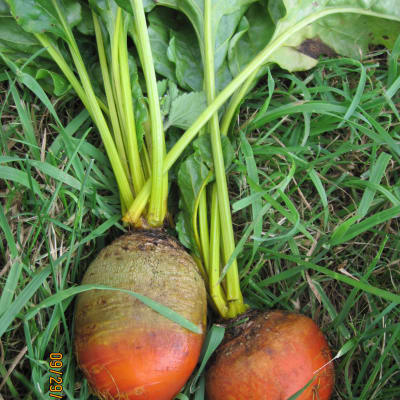
Beta vulgaris (55 days) Open pollinated. Vibrantly golden beets, sweet and delicious. Elongated pyramid shape with no green shoulders. Greens also delicious!
read more
Brilliantly framed as a detective story, this book is a must for anyone interested in apples and the old-timey experts behind the scenes. Filled with photographs and beautiful illustrations.
read more
A poignant and galvanizing collection of essays and conversations with respected Black leaders, brilliantly woven together by Leah Penniman of Soul Fire Farm, author of Farming While Black.
read more
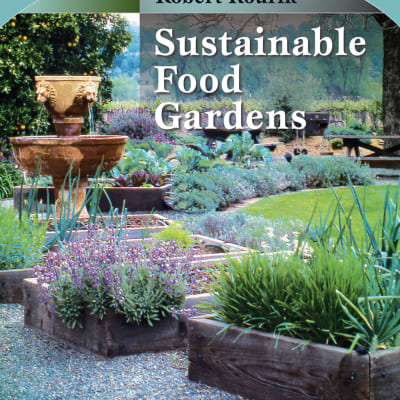
Filled with clear how-to and how-not-to instructions, along with useful illustrations and laugh-out-loud humor, Turnbull walks through the basics and delves into specifics for more than 150 plants.
read more
A soil science book for everyone! Filled with farmer anecdotes, insightful reference charts, and illustrations, this book is both engrossing and practical for anyone who works with soil.
read more
The ins and outs of everything from feed sources, housing/bedding options and fencing styles, to marketing, record keeping and staying sane. All necessary details of humane and organic swine farming.
read more
With plenty of scientific detail and practical knowledge about a variety of regenerative practices, Phillips reveals how mycorrhizal fungi are deeply embedded in healthy soils and plant physiology.
read more
A holistic approach emphasizing efficiency and solvency, but also quality of life. Breathe life into your growing endeavors and make your garden a more joyful place for all.
read more
Lorimer profiles 235 native plants, describing their growing needs and habits, wildlife value and native habitat, with gorgeous color photos to emphasize the unique beauty of each species.
read more
First published in 1973, this comprehensive guide to canning, freezing and drying the garden’s bounty has been updated and offers useful recipes and trustworthy food-safety protocols.
read more
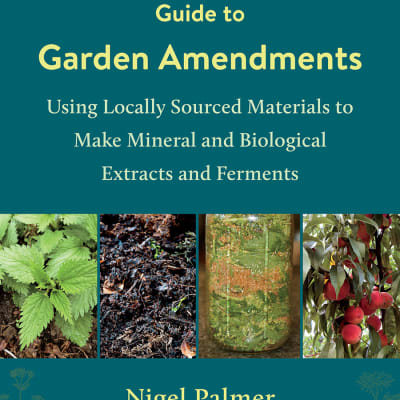
This book dives deep into the chemical and biological workings of your garden soil! Plenty of in-depth science, but also includes 12 soil amendment recipes simple enough for a layperson to follow.
read more
Placing emphasis on those with special health and dietary needs, Deppe covers her Golden Rules of Gardening, five essential crops you need to survive and thrive, as well as recipes and seed saving.
read more
If thoughts of crisp carrots in March set your mouth watering, you'll love this well-illustrated tour of root cellar designs, featuring varietal selections, best storage conditions, and recipes.
read more
If you are a fan of the Eyewitness educational books from the ’90s, this one is for you. Covers 45 insect and spider species, with photos of every life stage! Includes an easy comparison guide.
read more
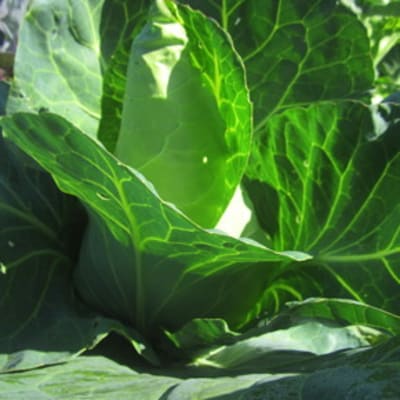
Brassica oleracea (capitata group) (85 days) F-1 hybrid. 2-4 lb solid slightly flattened light green heads with dark blue-green waxy wrapper leaves. Adapted to close spacings.
read more
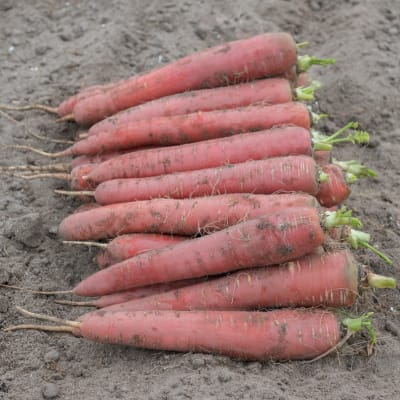
Daucus carota (85 days) Open pollinated. A stalwart storage carrot whose flavor improves with time. Also good for fresh eating and juicing. 7–9" heavy cylindrical roots.
read more
Prunus avium Summer. All-around excellent sweet cherry for the Northeast. Sweet light-colored flesh. Good size, great flavor and heavy cropping. Disease and crack resistant. Self-pollinating. Z4.
read more
Slipped over your forearms and gloves, the heavy close-woven canvas protects you from the cuts of rose thorns, thistle spines and other prickly peril, without restricting arm motion or circulation.
read more
Crew-neck straight-cut tee shirt featuring the irresistible cottagecore garden gnomes from our 2020 Bulbs catalog cover. White graphic on black cotton. Made in the U.S. from organic cotton.
read more