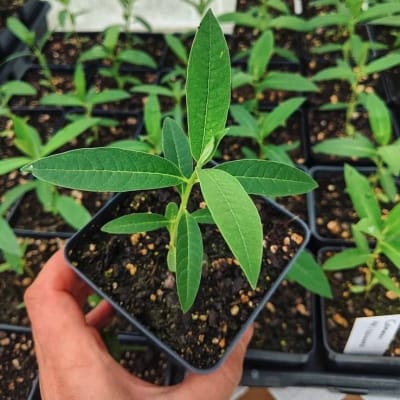
Eryngium yuccifolium 3-6' tall. Globe-thistle-like 1" greenish-white flowerheads. Subtle honey-like scent. North american native. Great for cutflower production. Z3.
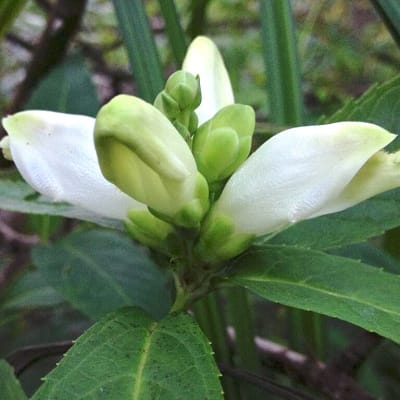
Chelone glabra 2–4' tall. Native wildflower blooms late along with the asters. A final feast for the bumblebees. Prefers moist soil, dappled light. Z4.
Actaea racemosa 5-7' tall. Long arching racemes of creamy white serpentine flower spikes. Flowers mid to late summer. Medicinal. Woodland native and pollinator powerhouse. Z3.
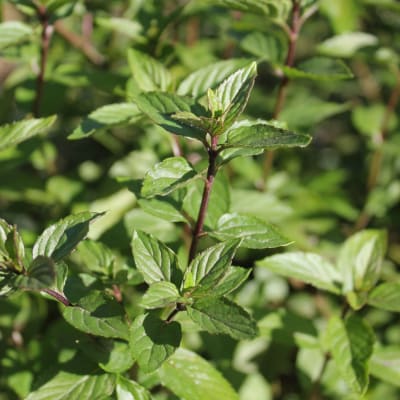
Pycnanthemum virginianum 24-36" tall. Makes a tasty minty tea traditionally used to settle indigestion. Spreads readily. Densely flowered, attractive to pollinators. Native. Z4.
Acorus americanus 24-36" tall. Water-loving bog plant with broad sword-like foliage that smells sweetly of citrus and vanilla when crushed. Roots traditionally used as an aromatic bitter for digestive upsets. Z3.
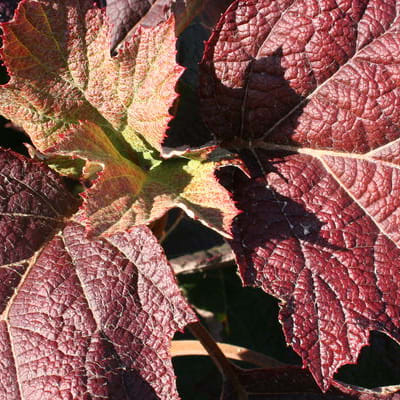
Hydrangea quercifolia 4-6' x 6-8' Spreading multi-stemmed shrub with oak-like leaves and spiked white flowers. Dried flowers turn pink to bronze. Cultivar selected for strong flower stems that won't flop over. Z5.
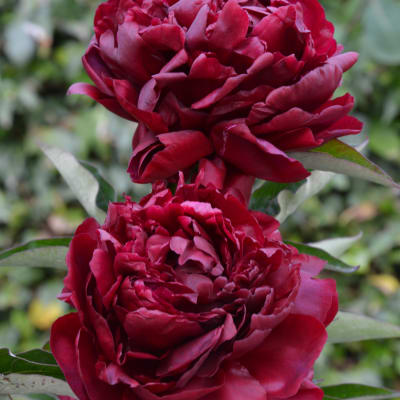
Paeonia lactiflora 34-36" tall. Fully double type. Dark sensational burgundy red is unusual and arresting. Pairs well with any color. Great cutflower. Z3.
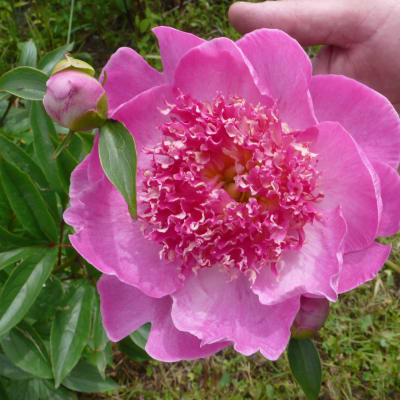
Paeonia lactiflora 24–36" tall. A symphony of coral, peach, melon and pink shades in semi-double form. Very fragrant and packed with petals. Early. Z3.
Salvia azurea 3-5' tall. North American native with delicate spires of sky-blue tubular double-lipped flowers and sweetly scented foliage. Incredible in mixed bouquets. Blooms from August to October. Z4.
The legendary Japanese hori-hori knife is the ultimate multi-tool that transforms how you garden. For centuries, Japanese blacksmiths have perfected... read more
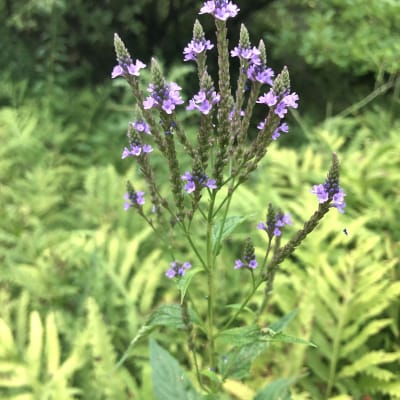
Verbena hastata 5-7' tall. Elegant tall branching spikes of vibrant blue-purple flowers. Attractive to pollinators. Used as a nervous-system tonic and mild sedative. Full sun. Native to North America. Z3.
Verbena stricta 12-48" tall. North American native. Attractive to pollinators, most notably the Buckeye butterfly. Birds will devour the seeds! Blooms June through August. Z3.
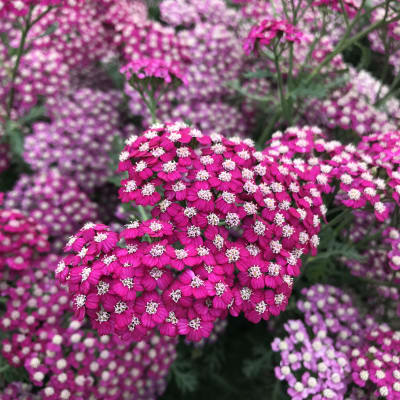
Achillea millefolium 24-28" tall. Charming bright magenta-violet flower clusters. Sturdy and upright, sports its vibrant color for a long bloom season, even in the heat.
Monarda punctata Open pollinated. A whimsical beauty with complex blossoms and many culinary and medicinal uses. Its oregano-like aroma and flavor is lovely for tea and seasoning.
Mycorrhizae form beneficial relationships with the roots of most plant species: they boost plant growth by improving the roots’ ability to take up nutrients, water and oxygen.
Trifolium pratense Biennial legume. Up to 36". Vigorous red clover for cover cropping or grazing. Deep taproot. Tolerates shade, so a good choice for overseeding into standing crops. Blossoms make a lovely tea.
Lolium multiflorum Annual or winter annual grass. Extremely frost hardy. Widely adaptable. Will establish quickly in cool wet spring weather, providing a dense cover crop and outcompeting weeds. Good erosion control.
Diverse multispecies clover-heavy mix is great as a soil-building living mulch under tall-growing competitive crops, like cannabis. Suitable in raised beds, containers and high tunnels.
For years customers have requested a wildlife forage mix—your wish is our command! This recipe comes from a longtime partner in the seed business;... read more
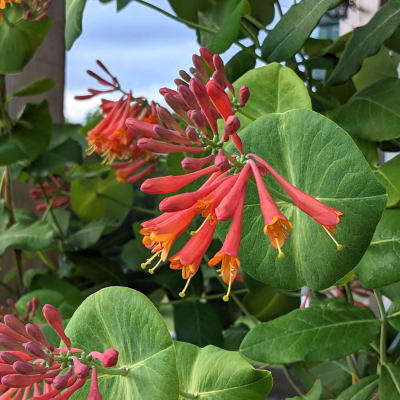
Lonicera × brownii 10-20'. Tall climbing honeysuckle. Non-invasive! Attractive to pollinators, especially hummingbirds. Species is native to North America. Z3.
Thick commercial-grade polypropylene fabric that deters stubborn weeds. Will last at least a decade if protected by mulch. Allows water penetration. Very resistant to tearing.
Ammobium alatum (75 days) Open pollinated. Shimmery ½" pearl-like buds on long stems add a studded silvery sparkle to both fresh summer arrangements and to dried bouquets and wreaths.
Withania somnifera Open pollinated. Upright shrub 2' with green-to-yellow flowers ripening to red berries. Roots are dried at the end of the growing season and used internally powdered or tinctured.
Dysphania ambrosioides (55 days) Open pollinated. Culinary herb native to Central America, often added to beans to deepen flavor and to mitigate flatulence. Sharp and pungent.
Stevia rebaudiana (100-120 days) Open pollinated. Stevia is several hundred times sweeter than sugar, and is used fresh, dried, powdered or in a liquid as a sugar substitute.
Buckle up: G-Force will open the throttle and help your plants accelerate to new heights. This is a complete growing mix engineered for rapid... read more
 Stiff Goldenrod - OrganicBare-Root PlantsCheck for new listings in early August