Rosa rugosa 4-5' x same. Very double blooms. Highly fragrant large pure white flowers with faint pink in center. Repeat bloomer. Incredible scent. Z4.
read more
Rosa carolina 2-4' x 5-10'. Single light pink 5-petaled flowers emerge May-June. Small red hips in fall. Found along streams, roads and open woods throughout New England. Full sun to partial shade. Native. Z2.
read more
Brassica napus × Brassica rapa (pekinensis group) (95 days) Open pollinated. A cross between Chinese cabbage and rutabaga, has very fine-grained tasty yellow flesh. Exterior much like purple-crowned Laurentian rutabaga.
read more
Salvia azurea 3-5' tall. North American native with delicate spires of sky-blue tubular double-lipped flowers and sweetly scented foliage. Incredible in mixed bouquets. Blooms from August to October. Z4.
read more
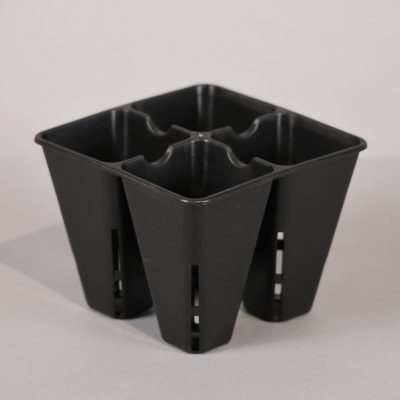
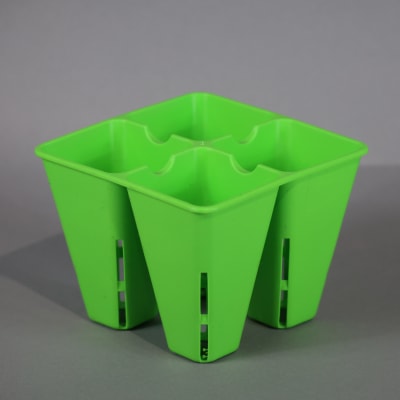
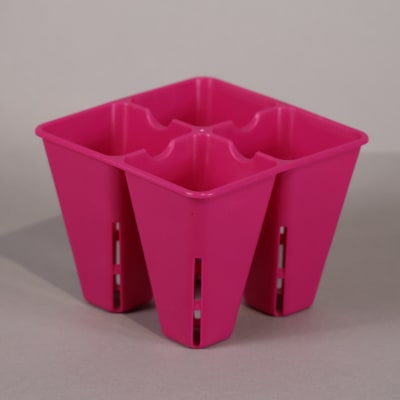
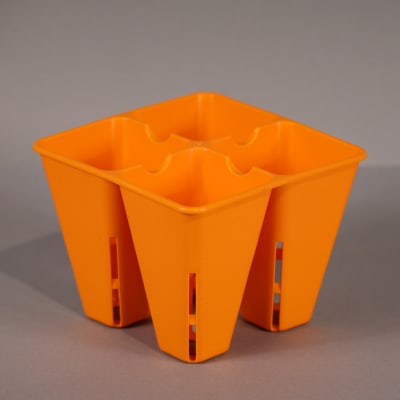
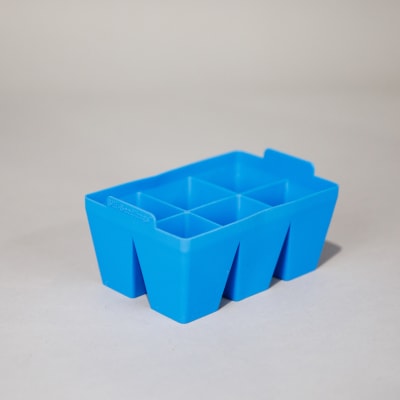
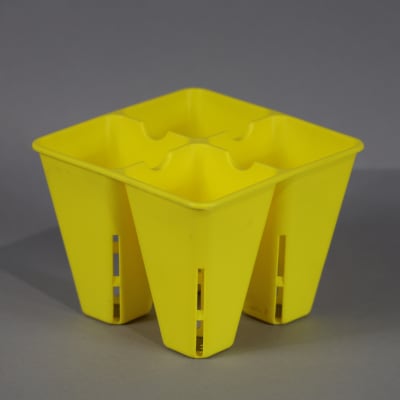
Tired of cheap plastic six-packs that fade and crack? Then invest in these crush-proof break-proof melt-proof freeze-proof seedling containers made of rugged BPA-free FDA-approved silicone.
read more
Makes 20 micro-blocks per stroke in a 3x4" area. Micro-blocks are easier to warm, speeding germination. Can be inserted into 2" soil blocks to continue seedling growth.
read more
Betula nigra 60-80' x 40-60' Very large graceful rounded tree with beautiful bark. Foliage yellows before dropping. Fast growing, trouble free. Z4.
read more
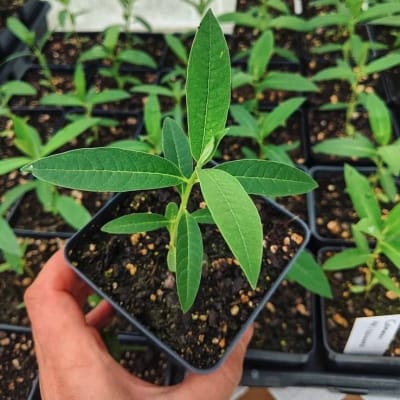
Catalpa speciosa 40-60'. Dense foliage of heart-shaped leaves provides excellent shade. Incredibly fragrant jasmine-scented white blossoms. Grows rapidly. Attracts pollinators. Native to central U.S. Z4.
read more
Tilia americana 60-80' x same. Tall stately tree with rounded crown and low-hung spreading branches. Sweetly fragrant yellow June flowers. Z3.
read more
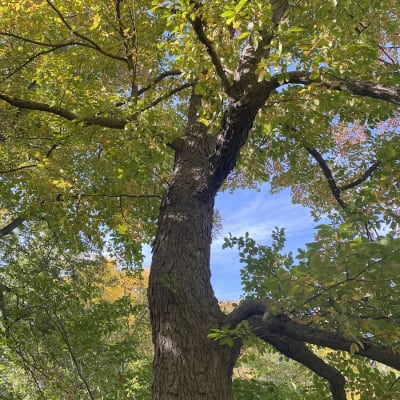
Quercus macrocarpa 70-80' x same. Hardiest of the white oaks with a deeply grooved massive trunk and a wide-spreading crown. Dark green foliage. Large fringed acorns. Z3.
read more
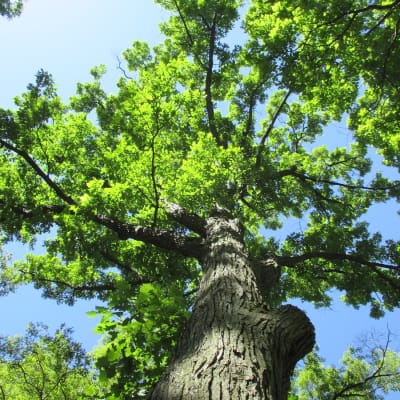
Quercus rubra 60-75' x 45'. The most common oak in northern New England. Magnificent open rounded crown. Fast growing. Tolerant of different conditions. Z4.
read more
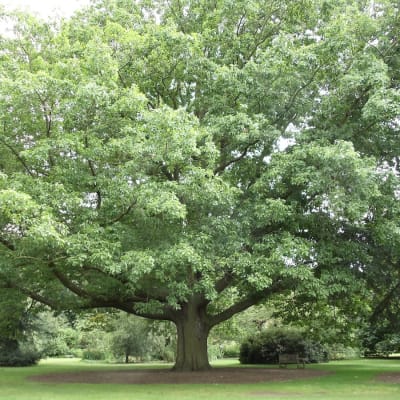
Quercus bicolor 50-60' x same. Massive rounded shade tree with short deeply ridged trunk and fan of branches. Yellow to reddish-purple fall foliage. Native. Z3.
read more
Maclura pomifera 35-60' x same. Long-lived native shade tree. Strong orange rot-resistant wood. Great for fences or hedges. Strange grapefruit-sized fruits inedible for humans. Seed collected in Maine. Z4.
read more
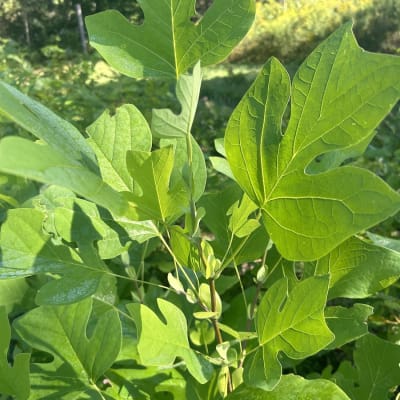
Liriodendron tulipifera 60-90' x 30-50'. Also called Tulip Poplar. Highly ornamental shade tree. Large tulip-like flowers attract hummingbirds. Native to eastern U.S. Z4/5.
read more
Nyssa sylvatica 40-85' x 20-30'. Medium-sized deciduous tree produces fruits that feed migrating birds. Vibrant fall colors. Can live up to 650 years! Z4.
read more
Fragaria × ananassa Productive and easy to grow. Glossy red berries are full of flavor, and maintain good size. Less sensitive to warmer temps than other day neutrals. Z4.
read more
Fragaria × ananassa Medium-small glossy red highly fragrant everbearing strawberry. Often referred to as “gourmet.” Commercially grown in France where they are sold at a premium. Z4.
read more
Fragaria × ananassa Medium-to-long conic high-yielding firm productive reliable everbearing strawberry with bright red color and excellent flavor. Z3.
read more
Fragaria × ananassa Late. These bright red firm shiny berries are sweet and juicy and so big you could make a hand pie with just one. Resistant to leaf diseases. Z4.
read more
Fragaria × ananassa Early-Mid. Large conic bright red strawberries ripen over a long fruiting season. Easy to grow. The freezer-filler of the strawberry patch. Z3/4.
read more
Fragaria × ananassa Large shiny red perfectly shaped fruit is firm, sweet and slightly aromatic. Keeps its size all season. Popular with commercial growers. Low incidence of fruit rots and foliar diseases. Z4.
read more
Fragaria × ananassa Mid-Late. Smallish soft fruit with flavor described as the essence of strawberry. Delicious fresh eating and excellent for jams and freezing. Z3.
read more
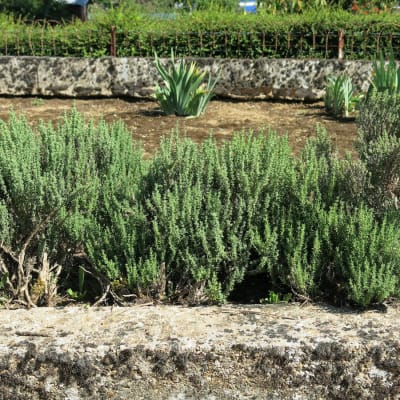
Thymus vulgaris 10-15" tall. Fragrant sprawling perennial brings depth of flavor to soups, gravies, casseroles. Said to calm the nerves, soothe headaches. Bees love it! Z4.
read more
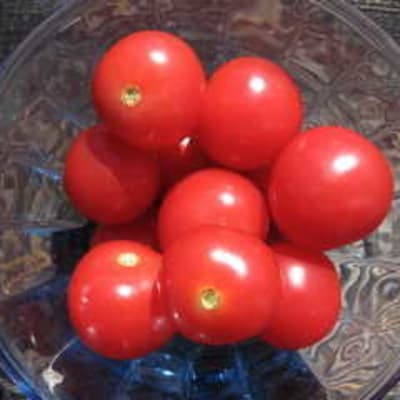
Solanum lycopersicum (75 days) F-1 hybrid. Gorgeous deep rose large 20-30g cherry. Slowly ripens from pink to deep rose with matte finish. Low-acid, tasty, mellow.
read more
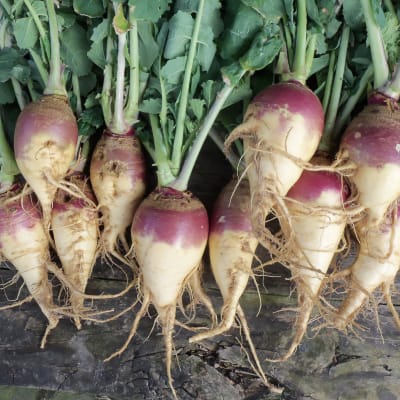
Brassica rapa (55 days) Open pollinated. Round red-skinned tennis ball-sized turnip. White flesh blushed rose pink. Compares to Scarlet Ohno Turnip.
read more
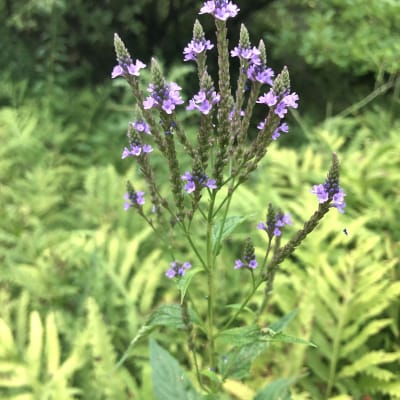
Verbena hastata 5-7' tall. Elegant tall branching spikes of vibrant blue-purple flowers. Attractive to pollinators. Used as a nervous-system tonic and mild sedative. Full sun. Native to North America. Z3.
read more
Verbena stricta 12-48" tall. North American native. Attractive to pollinators, most notably the Buckeye butterfly. Birds will devour the seeds! Blooms June through August. Z3.
read more
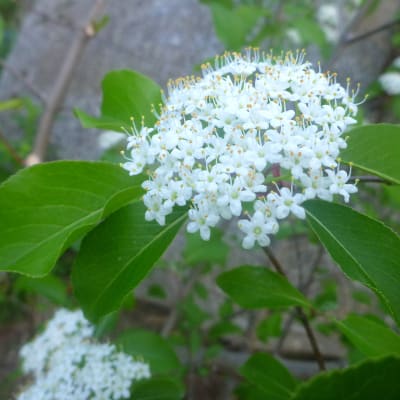
Viburnum prunifolium 12-15' x 8-12'. Rounded shrub with creamy white cymes in early spring. Suckering habit, but can be pruned. Bluish-black edible fruit clusters in fall. Z3.
read more
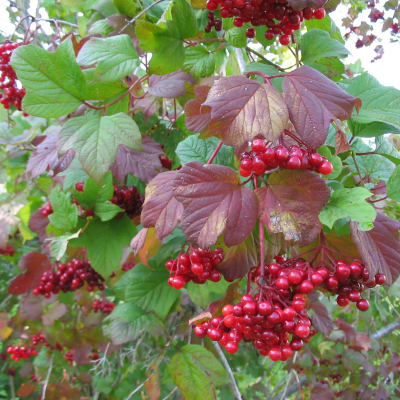
Viburnum opulus var. americanum 8–12' × same. Also known as Crampbark. Medicinal multi-stemmed native shrub. Add to the biological diversity of your garden. No two seedlings are exactly alike. Z2.
read more
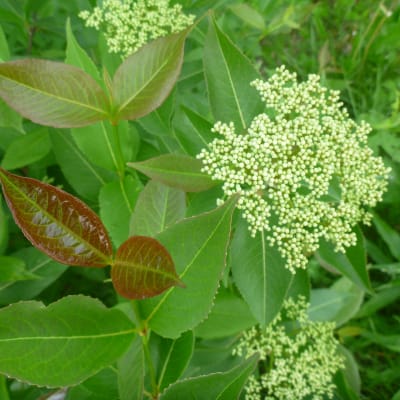
Viburnum cassinoides 5-6' × same. Dense suckering native shrub. White flowers from spring to early summer. Edible black fruit. Plant more than one for fruit. Z3.
read more
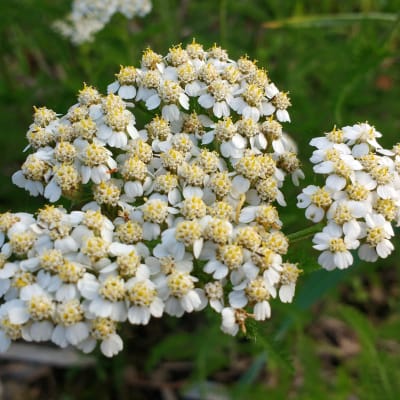
Achillea millefolium 18-30" tall. Excellent orchard companion and beautiful addition to the perennial border, meadow, herb or moon garden. Z3.
read more
Melilotus officinalis Biennial legume. Up to 6'. Vigorous clover for cover cropping, bee forage and green manure. Long thick taproots are very effective at breaking up subsoils and improving soil aeration.
read more
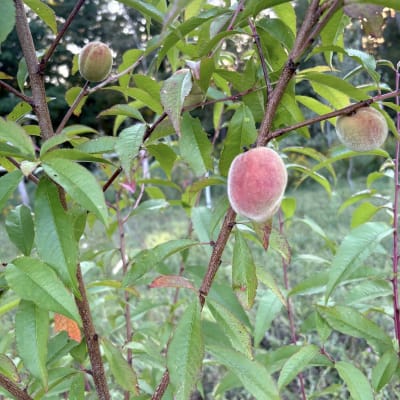
Prunus persica Very late-ripening fruits are white-fleshed, sweet and tart, best for juicing and drying. Long prized as a cold-resistant dwarfing rootstock and gaining popularity for it tasty fruit. Z3.
read more
NPK: 2-5-0.2. All the NPK of fish, along with the micronutrients and growth hormones of kelp. Encourages vigorous rooting. Improves plant vigor and stress resistance, increases storage life of produce
read more