Malus spp.This is a twig for grafting. Fall, orange-red skin. Juicy, distinctly tart, full-flavored fresh eating apple. Very popular at our Common Ground Country Fair taste tests! Keeps about a month. Z4.
Malus spp.This is a twig for grafting. Fall, pink-spotted yellow skin. Full bittersweet cider apple. Very bitter yellow fruit with spots of pink and orange when fully ripe in mid-October. Intense tannins. Some specimens measured 21 brix. Heavy annual crops. Z4.
Malus spp. Fall-winter, bright red skin, yellowish flesh. Medium-large, slightly tart, crisp and juicy. Thomas Jefferson’s favorite. Good acid source for cider. All-purpose. Good keeper. Z4.
Malus spp.This is a twig for grafting. Fall-winter, bright red skin. Medium-large, slightly tart, crisp and juicy. Thomas Jefferson’s favorite. Good acid source for cider. All-purpose. Good keeper. Z4.
Malus spp. Early fall, ruby red skin, white flesh. Also called Snow. Ruby-red fruit with tender white flesh. Excellent fresh eating, sauce and fresh cider. Keeps until late December. Z3.
Malus spp.This is a twig for grafting. Early fall, ruby red skin, white flesh. Also called Snow. Ruby-red fruit with tender white flesh. Excellent fresh eating, sauce and fresh cider. Keeps until late December. Z3.
Malus spp.This is a twig for grafting. Early fall, red-striped skin. Very high-quality and highly disease-resistant all-purpose apple. Juicy, firm, spicy flesh. Ripens early October, keeps until New Year. Productive and annually bearing. Z4.
Malus spp. Fall-winter, purple-striped red skin, apricot flesh. The most distinctive, complex, unusually flavored apple you'll ever try! Hardy, productive, reliable. A staff favorite. Z3.
Malus spp.This is a twig for grafting. Fall-winter, purple-striped red skin, apricot flesh. The most distinctive, complex, unusually flavored apple you'll ever try! Hardy, productive, reliable. Z3.
Malus spp.This is a twig for grafting. Late summer, yellow skin, cream flesh. Golden Delicious seedling with classic Delicious shape. Juicy crisp flesh is a bit sharper, but still quite sweet for an early apple. Great for salads. Z4.
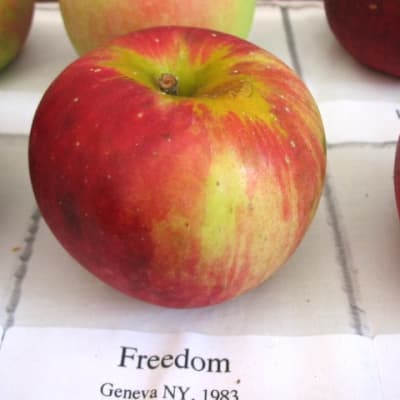
Malus spp.This is a twig for grafting. Late summer, red-striped yellow skin. Famous pie apple. Med/large fruit makes outstanding eating and cooking. Flavorful and tart. Z4/5.
Malus spp.This is a twig for grafting. Fall, red skin. Sharp cider apple. One of few good for single varietal cider. Incredibly vigorous, productive. Hardy. Z4.
Malus spp.This is a twig for grafting. Winter, red-striped skin. Medium-large apple. Sweet, juicy, snappy fresh eating. Keeps up to seven months. Tends to bear annually. Scab-resistant. Z3.
Malus spp.This is a twig for grafting. Fall, red-blushed and striped skin. Possible Red Delicious seedling with a similar shape but a superior eating experience! Crisp flesh and balanced sweet-tart flavor. Good fresh, great dried. Stores into winter. Z4.
Malus spp.This is a twig for grafting. Fall, russeted lime green skin, slightly yellow flesh. Large, distinctive “cathead” shape. Mild, moderately crisp, moderately tart and subtle. All-purpose; excellent for cooking, especially sauce. Z4.
Malus spp.This is a twig for grafting. Fall, russeted yellow skin. From an ancient tree in Waterville, ME. Sweet with little acidity, excellent for cider and sauce. Z4.
Malus spp. Multi-colored skin. Be the proud keeper of a sister tree to one of many rare varieties planted at the Maine Heritage Orchard. $30 from the sale supports the project.
Malus spp.This is a twig for grafting. Summer, red skin, white flesh. High-quality apple for fresh eating and sauce. Yellow fruit with dark red streaks and blotches. Fine-grained juicy tender aromatic creamy white flesh. Z3.
Malus spp.This is a twig for grafting. Late fall, russeted yellow skin. Full bittersweet cider apple. Lots of tannin. Light yellow fruit mostly covered with tan russet. Combine with other late varieties. Z4.
Malus spp.This is a twig for grafting. Fall-winter, red-splashed skin, whitish flesh. Large size with coarse juicy sparkly crisp and melting flesh. All-purpose; famous for winter pies. Keeps until spring. Z3.
Malus spp.This is a twig for grafting. Fall, red skin. Medium-large fruit is very juicy and sweet with a balsamic aroma. Potential for commercial popularity. Keeps into January. Blooms mid-late season. Z4.
Malus spp. Fall, russeted pink skin. An offspring of Frostbite and Chestnut apples. This russeted dessert apple is small, but packs a lot flavor. We eat them raw or baked whole rolled in cinnamon and sugar. Z4.
Malus spp.This is a twig for grafting. Fall, russeted pink skin. An offspring of Frostbite and Chestnut apples. This russeted dessert apple is small, but packs a lot flavor. We eat them raw or baked whole rolled in cinnamon and sugar. Z4.
Malus spp. Fall-winter, green skin, light yellow-green flesh. Large, crisp and tart. Classic New England cooking apple; also great fresh eating. Keeps well into winter. Z4.
Malus spp.This is a twig for grafting. Fall, bronze-blushed yellow skin, yellowish flesh. Tender mild juicy aromatic fruit for fresh eating and cooking. Productive and annual bearing. Z4.
Malus spp. Late fall, russeted red skin. Exquisite dessert fruit is fine-grained juicy and snappy. Clean fruity finish with superior aromatics. Keeps until March. Likely hardy to Z3.
Malus spp. Mid-late summer, deep purplish red skin, red-stained flesh. A fine summer dessert and cider apple. Makes delicious pink sauce. Tree is vigorous, precocious and annual bearing. Z4.
Malus spp.This is a twig for grafting. Late summer, red skin. Medium-sized spice-flavored apple. One of the best for pies. Very good fresh eating, too. Probably blooms midseason. Z4.
Malus spp. Fall, rusty red-striped skin. Medium-sized firm crisp juicy apple is highly flavored. Famous heirloom dessert apple. Keeps till early winter. Blooms midseason. Z4.
Malus spp.This is a twig for grafting. Fall, rusty red-striped skin. Medium-sized firm crisp juicy apple is highly flavored. Famous heirloom dessert apple. Keeps till early winter. Blooms midseason. Z4.
Malus spp. Fall, bright red skin. Small and flavorful! Crisp, juicy, tart, tangy, spicy. Good in hard cider. Keeps till January. Precocious and productive. Z4.
Malus spp.This is a twig for grafting. Fall, bright red skin. Small but flavorful. Crisp, juicy, tart, tangy, spicy. Good in hard cider. Keeps until January. Bears young, heavily, annually. Z4.
Malus spp.This is a twig for grafting. Late fall, russeted brown skin. Distinctly bumpy rough texture. Highly flavored. Excellent dessert apple for the connoisseur. Z4.
Malus spp. Fall, blushed yellow skin, golden flesh. A new discovery! Tasty dessert apple, more flavorful than its presumed parent Wolf River. Great for fresh eating and cooking. Z4.
Malus spp. Fall, pink-spotted yellow skin. Full bittersweet cider apple. Very bitter yellow fruit with spots of pink and orange when fully ripe in mid-October. Intense tannins. Some specimens measured 21 brix. Heavy annual crops. Z4.
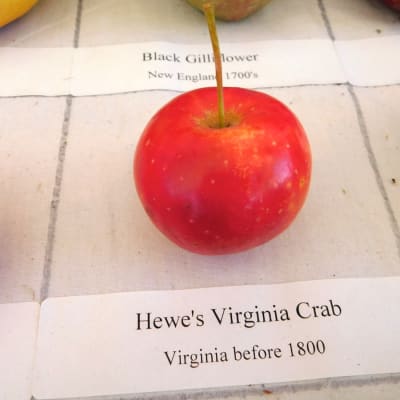
Malus spp. Fall, dark red skin. Bittersharp cider apple. Dark red crabapples look like enlarged cranberries. Mostly tart and slightly sweet with a bitter finish. Z4.
Malus spp.This is a twig for grafting. Fall, russeted yellowy-green skin. Large beautiful bittersweet cider apple. Not for eating fresh. Blooms midseason. Z4.
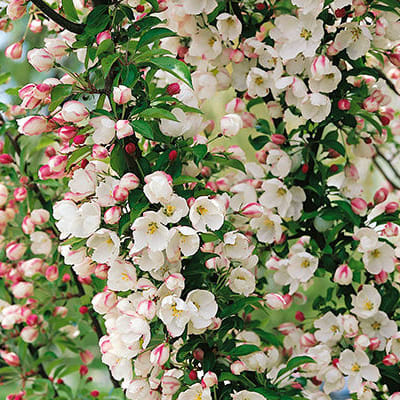
Malus spp. Orange-red skin. Red buds open to red-tinged white textured single blooms. An excellent crab for persistent fruit and disease resistance. Very distinctive upright form. Z4.
Malus spp. Maroon-blushed green skin. Ornamental flowering crabapple with beautiful rose-like blossoms and bitter green fruit. Very high in tannin. Great for cidermakers! Blooms late. Z4.
Prunus armeniaca Red-speckled orange skin. Heirloom English variety now standard in the U.S. Orange fruit speckled with red is sweet, aromatic and firm yet juicy. Great for fresh eating, canning and drying. Z5.
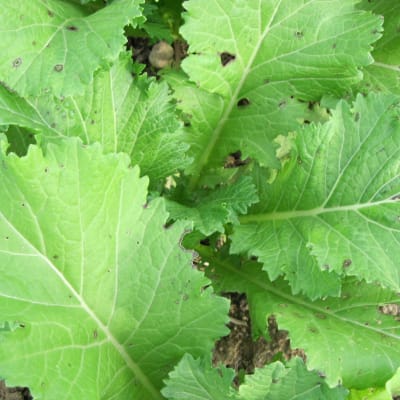
Brassica juncea (47 days mesclun, 62 full size) Open pollinated. Sweet succulent ribs and moderately pungent winter-hardy greens. Good for summer mesclun; excellent cut-and-come-again.