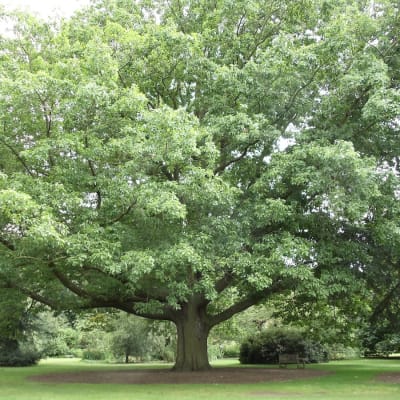
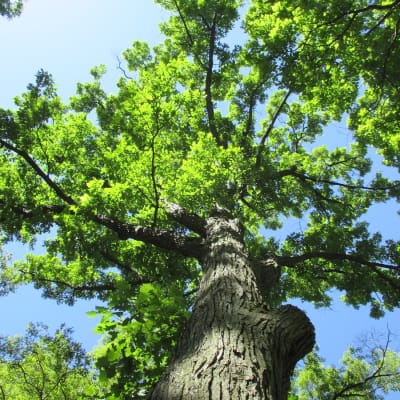
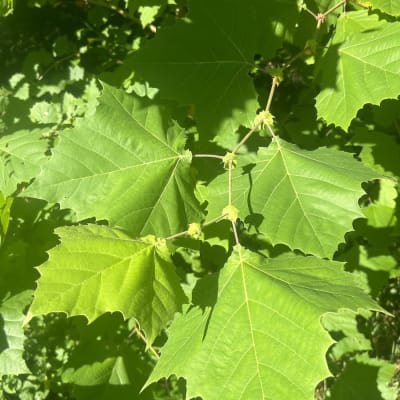
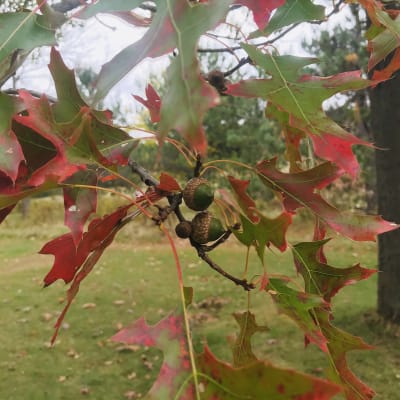
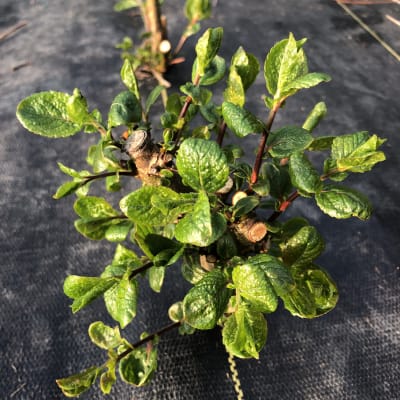
Castanea dentata Up to 100'. Once common in the eastern US. Important food source for people and wildlife. Not immune to blight but likely to thrive 10-30 years. Fast growing and precocious. Z4.
Castanea 40-60' × 30-40'. Hybrid crosses of mixed parentage. Parent trees show excellent blight resistance. Begins flowering at 3-5 years. Great flavor, high annual nut production. Z4.
Corylus americana 12-18' × 10-15'. Multi-stemmed native shrub with sweet nuts. Showy catkins in spring. Patchwork of colors in autumn. Can bear in 3-5 years. Z4.
Corylus spp. 8-12' × same. Hybrid crosses of mixed parentage, including European hazelnut. Nuts will likely be larger than those from other seedlings. Highly resistant or immune to filbert blight. Z3.
Carya cordiformis 50-80' × 30-50' Also known as Bitternut Hickory. Thin-shelled nuts can be pressed into a mild nutty cooking oil. Closely related to the pecan. Z3.
Origanum vulgare 18-20" tall. Fragrant green and purple leaves used for culinary purposes. Given plenty space in full sun, it sprawls and is attractive to pollinators. Z4.
Baptisia australis 3-4' × same. Vibrant blue lupine-like flowers in early summer. Bushy habit and shrub-like structure once mature. Good for erosion control. Z3.
Amsonia tabernaemontana var. salicifolia 24–36" tall. Fine grassy willow-like foliage. Clusters of powder-blue florets in early summer. Best planted en masse. Z3.
Crocosmia × crocosmiiflora 24-36" tall. Midsummer sprays of bright red flowers open from bottom to top on long arching bronze stems. Grows well in pots. Makes a long-lasting cutflower.
Echinops ritro 3–4' tall. Luminous steel-blue spiky spheres on stiff stems with silvery green leaves. Excellent for fresh or dried arrangements. Blooms mid-to-late summer. Z3.
Astrantia 24-28". Clump-forming perennial makes an excellent groundcover when planted en masse. Makes long-lasting cutflowers and is also a great container plant. Z4.
Eryngium yuccifolium 3-6' tall. Globe-thistle-like 1" greenish-white flowerheads. Subtle honey-like scent. North American native. Great for cutflower production. Z3.
Sempervivum Low-growing rosette-forming succulents produce runners and babies. Drought and heat tolerant. Cold-hardy too! Colorful mix of reds, greens and purples. Z3.
Actaea racemosa 5-7' tall. Long arching racemes of creamy white serpentine flower spikes in midsummer. Medicinal. Woodland native and pollinator powerhouse. Z3.
Pycnanthemum virginianum 24-36" tall. Makes a tasty minty tea traditionally used to settle indigestion. Spreads readily. Densely flowered, attractive to pollinators. Native. Z4.
Acorus americanus 24-36" tall. Water-loving bog plant with broad sword-like foliage that smells sweetly of citrus and vanilla when crushed. Roots traditionally used as an aromatic bitter for digestive upsets. Z3.
Viola sororia 6-10" tall. North American native with cheery blue-purple flowers and attractive heart-shaped leaves, all edible. Larval host plant for multiple species of butterflies. Z3.
Lonicera caerulea 4-6' × same. Also called Haskap. Nutritious delicious berries ripen early with the strawberries. Productive, low maintenance, very hardy. Z2.
Gaylussacia baccata 1-3' × 2-4'. Cousin of the blueberry. Less acidic, more mildly sweet flavor. Flowers in June, fruits in August. Full sun to part shade but fruits best in sun. Native to eastern U.S. and Canada. Z3/4.
Myrica pensylvanica Waxy blue skin. 5-10' × same. A common sight along Maine’s rocky shores. Fragrant glossy deep green leaves and small waxy berries. Fixes nitrogen and feeds wildlife. Z2.