From the first crocuses to emerge through the spring’s melting snow, through summer’s warmth and fall’s chill, flowers satisfy our need for beauty (while feeding our allies, the pollinators!).
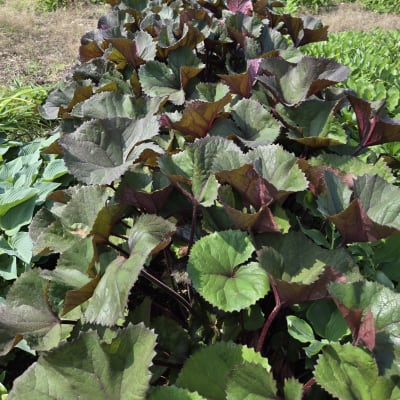
Pulmonaria 9-12" tall and eventually up to 2' wide. Periwinkle-blue buds open to pink flowers in spring. Large slate-green leaves with silver-white splotches. Woodland plant. Z3.
Astrantia 24-28". Clump-forming perennial makes an excellent groundcover when planted en masse. Makes long-lasting cutflowers and is also a great container plant. Z4.
Papaver orientale 20-30" tall. Surely named after one of the three Greek Graces, Aglaea, which means something like ‘festive radiance.’ Royal Horticultural Society’s Award of Garden Merit. Z3.
Papaver orientale 10-15" tall. Dusky damson-plum–colored blossoms. A short version of the original Patty’s Plum poppy, a compost-pile surprise discovered in the 1990s. Z3.
Eryngium yuccifolium 3-6' tall. Globe-thistle-like 1" greenish-white flowerheads. Subtle honey-like scent. North american native. Great for cutflower production. Z3.
Sempervivum Low-growing rosette-forming succulents produce runners and babies. Drought and heat tolerant. Cold-hardy too! Colorful mix of reds, greens and purples. Z3.
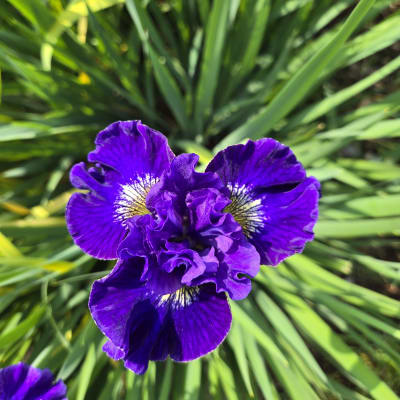
Iris sibirica 32" tall. Bred by legendary Maine hybridizer Currier McEwen in shades of creamy white with accents of yellow-green and buttery yellow. Early midseason to late. Z3.
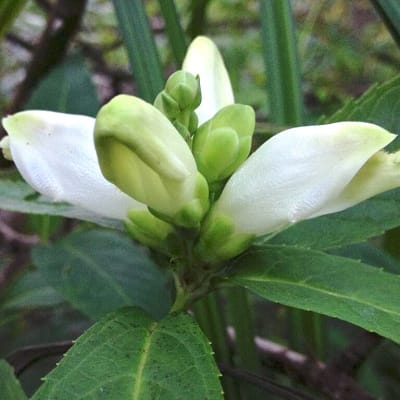
Chelone glabra 2–4' tall. Native wildflower blooms late along with the asters. A final feast for the bumblebees. Prefers moist soil, dappled light. Z4.
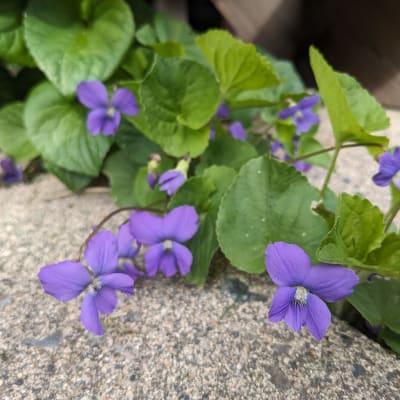
Viola sororia 6-10" tall. North American native with cheery blue-purple flowers and attractive heart-shaped leaves, all edible. Larval host plant for multiple species of butterflies. Z3.