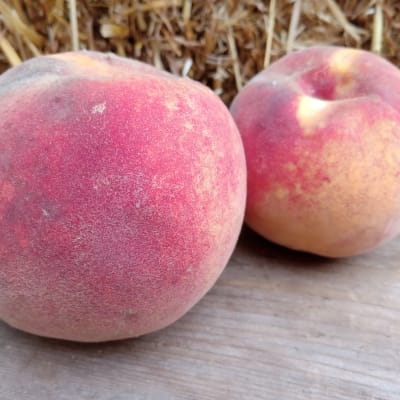
Prunus persica White flesh. Late. White flesh is firm, melting and juicy. All-purpose and freestone. Large vigorous productive tree. Resistant to bacterial spot. Z4/5.
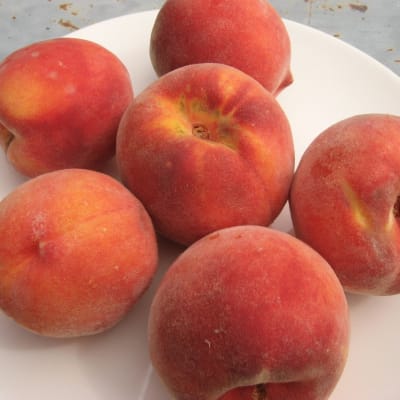
Prunus persica Yellow flesh. Mid. Large fruit with yellow flesh is sweet and juicy. An overall great all-purpose peach for fresh eating, canning or baking. Freestone. Z5.
Prunus persica Yellow flesh. Commonly grown as hardy disease-resistant rootstock. Known to grow relatively true to type. Fruit best for processing, decent for fresh eating. Plant for fruit or grafting. Z4.
Prunus persica White flesh. Early-Mid. Peento-type peach is flat, semi-freestone with sugary white flesh. Great for drying. Heavy yields on vigorous tree. Z4.
Prunus persica White flesh. Very late-ripening fruits are white-fleshed, sweet and tart, best for juicing and drying. Long prized as a cold-resistant dwarfing rootstock and gaining popularity for it tasty fruit. Z3.
Prunus persica Four peach cultivars to span the ripening season. Stagger the sweet, sweet harvests! Z4.
Loading...
Peaches Prunus persica
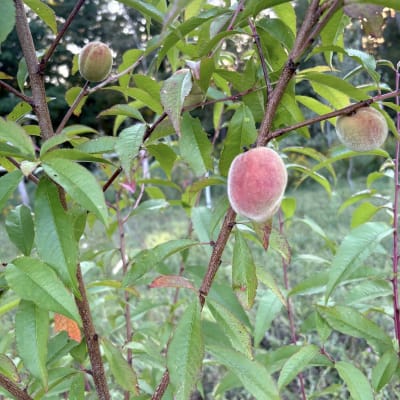
Northern New England peach growing can be very successful. The trees often bear so heavily that the fruit needs thinning and the branches need support. Some winters can be hard on certain peach trees, and they may die. Other trees live for many years. Replant and try again. They are worth the trouble, and since they bear young, you won’t have to wait too long!
Peaches are usually unaffected by pests or diseases in northern areas, the occasional exception being peach leaf curl. PLC is not a fatal problem but does need to be controlled if you get hit with it. Look for crinkled or puckered foliage in spring. Remove affected leaves and compost them. Spray the tree with lime, sulfur or copper early the following spring while it is still dormant (before any buds open!) Onion, garlic or horsetail spray while leafed-out may also be effective. It’s common for peaches to have black gummy wounds. This is usually harmless and happens from any environmental stress, even when a bird or a bug looks sideways at the tree.
Mature trees will be 10–15' tall.
Growing Peaches
Soil: Prefers well-drained fertile soil.
Sun: Full.
Pollination: Self-pollinating. You only need one
tree.
Pruning: Prune in spring after the buds begin to swell and show pink. Remove dead and inward-growing branches. Make a few bold cuts to bring main branches closer to the trunk. After cutting back any main branches, thin last year’s shoots and cut them back to about 12–18". When you’re done, the tree shape should look something like an open hand reaching for a peach, with the tree not much taller than 10' or so.
The goal is to keep trees small and open. Peach trees grow vigorously each year and fruit on the previous year’s wood. Leggy branches will break from the weight of fruit.