Cicer arietinum (105 days dry) Open pollinated. A garbanzo developed to be tolerant of cold soils and light frosts. 2' plants with ornamental flowers bear abundant two-seeded pods with black medium-sized beans.
Phaseolus vulgaris (60 days) Open pollinated. Fortex begins producing early and keeps going into fall, long after others have quit. Its flavor and texture reign supreme, a distinctive nutty taste that can be enjoyed raw or cooked.
Phaseolus vulgaris (60 days shell, 85 days dry) Open pollinated. Similar in shape, color and taste to baby limas, except much easier to grow in our climate and sweeter with a buttery texture. Excellent both as a shell and a dry bean.
Phaseolus vulgaris (85 days) Open pollinated. Dense foliage produces medium runners, lavender flowers and good yields of thin delicate pods each containing 5-6 lustrous black seeds.
Phaseolus vulgaris (106 days) Open pollinated. Large speckled tan beans with good yields, even in stressful conditions. Creamy texture for great comfort food.
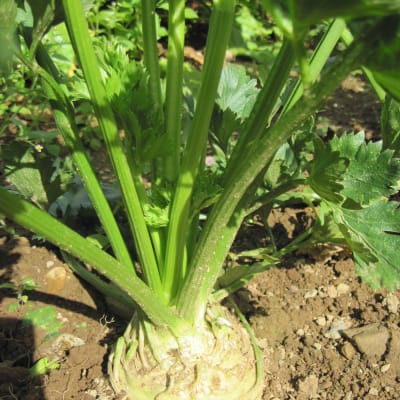
Apios graveolens var. rapaceum White flesh. (100 days) Open pollinated. Gorgeous and delicious root vegetable tastes like celery but slightly nutty, with a texture like potato. Stores well, great for winter stews.
Cucumis sativus (60 days) Open pollinated. Specialty Indian cuke. 4-5" fruit turn from cream to golden yellow to russet brown. All stages edible and very crisp. Vigorous.
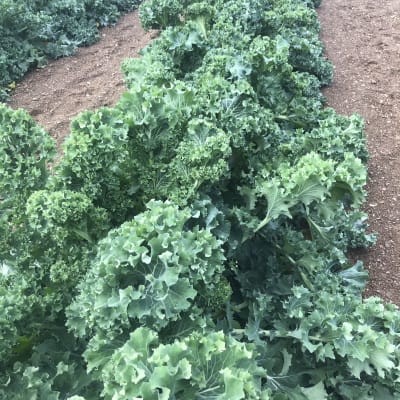
Brassica oleracea (acephala group) (60 days) Open pollinated. Smooth glossy “greasy” greens are delicious steamed. Most delectable early in the season, or late after a nip of frost.
Spinacia oleracea (30 days) Open pollinated. Prized as a baby green for its striking magenta-red stems and veins in deep green arrowhead leaves. For the cooler ends of the season only.
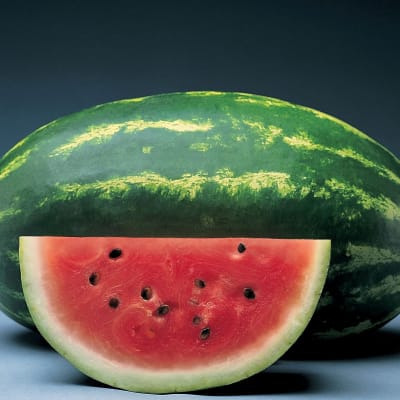
Citrullus lanatus Red flesh. (85 days) Open pollinated. Glorious red sweet juicy flesh. Though it loves warm locales, Sunsweet is adapted almost anywhere.
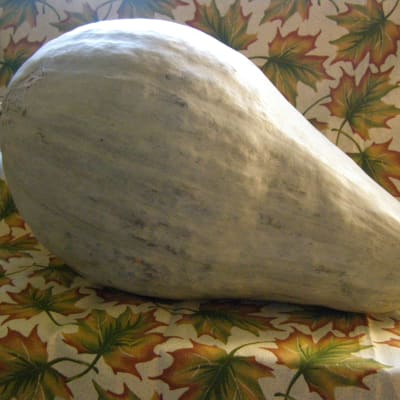
Cucurbita maxima Slate blue skin. (100 days) Open pollinated. Heirloom banana-type. Slate-blue obpyriform 6-8+ lb fruit. Average 12" long. Excellent flavor and good storage.