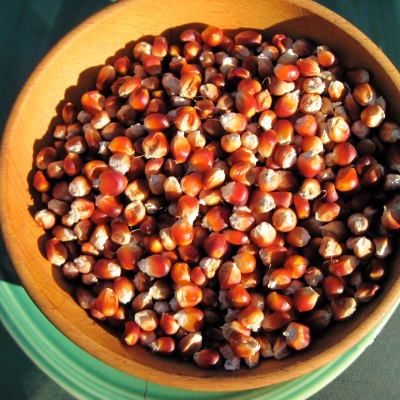
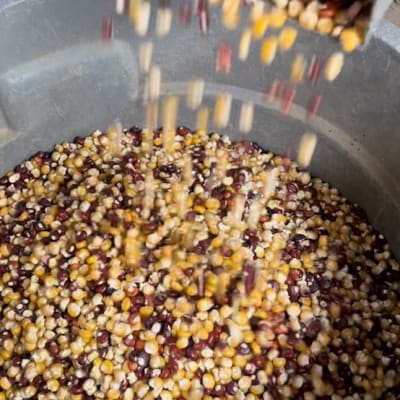
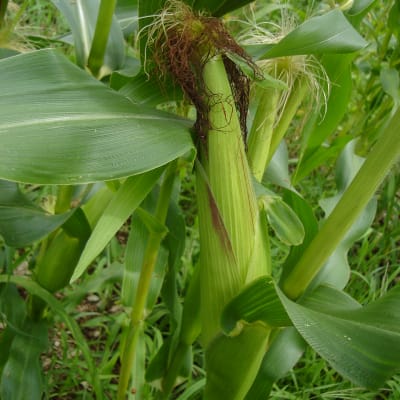
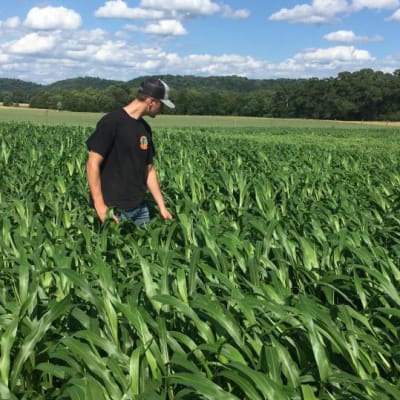
Zea mays var. rostrato (100 days) Open pollinated. Beautiful red pointy kernels are easy to shell and grind. Rich sweet corn flavor good for flour or polenta.
read more
Zea mays (85 days) Open pollinated. Early and productive true flint corn superb for cornbread, johnny cakes and polenta. 8–12" ears with 8–12 rows.
read more
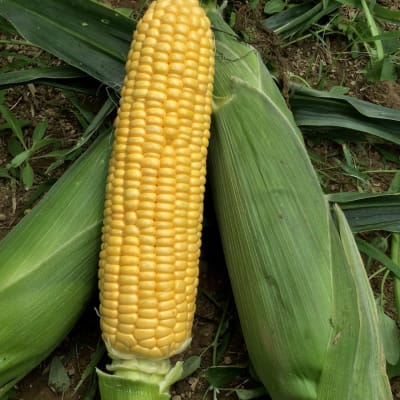
Zea mays (72 days) Open pollinated. Bred by Fred Ashworth. 5' stalks, 6-7" yellow ears, good flavor. Harvest at milk stage; does not hold in the field. Starts well in cool soil.
read more
Zea mays (72 days baby, 110 dry) Open pollinated. For baby corn, harvest ears about five days after silks appear. Or grow to full size for popcorn. 5' plants each bear 3-6 4" ears with white kernels.
read more
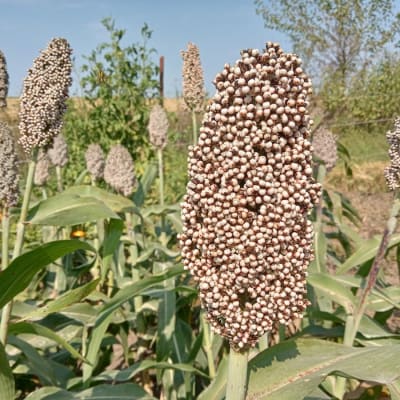
Sorghum bicolor (105 days) Open pollinated. Sprays of ornamental seedheads in gold, bronze, brown, black, burgundy, red and cream are great for making natural straw brooms and classic autumnal displays. Small shiny seeds are beloved by birds.
read more
Zea mays (95 days) Open pollinated. A nutrient-dense grain that is fast maturing under harsh conditions, and stands strong for machine harvest. The soft starch makes fluffy cornbread and also binds well for Johnnycakes and tortillas.
read more
Zea mays (68 days) Synergistic F-1 hybrid. Early fancy tip-filled 8" ears. Quality and flavor like a late corn. Good cold-soil emergence. Often a single ear per stalk.
read more
Zea mays (85 days) Open pollinated. This superior flour corn boasts hardiness, earliness and vigor. Ears are solid-colored and can be sorted for use based on kernel color: Pancake White, Parching Red, Parching Starburst and Brown Gravy.
read more
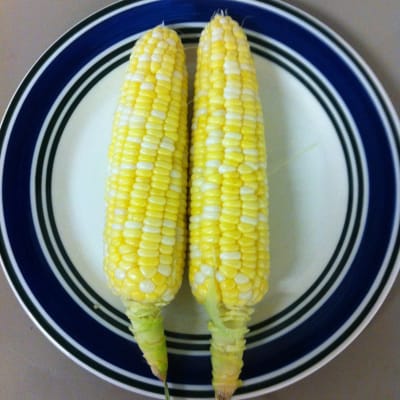
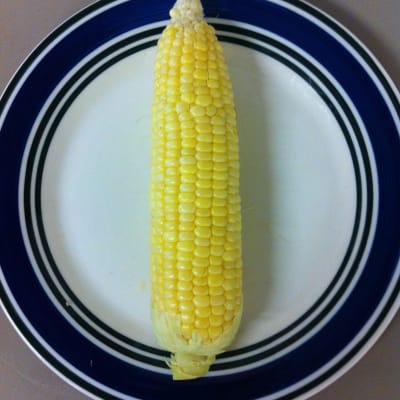
Zea mays (75 days) Supersweet F-1 hybrid. Bicolor, 8" ears, 16-18 rows of crisp but tender kernels. Holding quality in the field and after harvest is superb.
read more
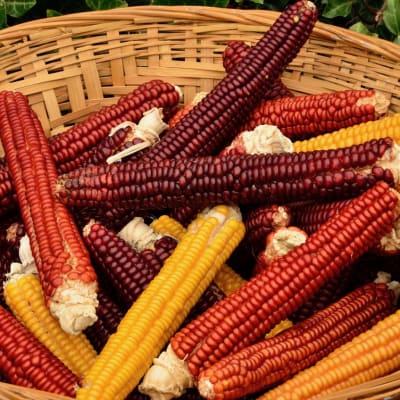
Zea mays (105 days) Open pollinated. 5-8" ears. Kernels are mostly red, yellow, mottled rosy-brown (also brown, purple, blue and white), and larger than most popcorns.
read more
Zea mays (102 days) Open pollinated. Two 4-6" stocky ears per stalk. 8' plant with long dark green leaves. Delicious 1885 Pennsylvania Dutch heirloom.
read more
Cornus mas 20-25' x 15-20'. Bright red pear-shaped edible fruit. Each seedling will be unique. Will pollinate each other and any named cornelian cherry cultivar. Z4/5.
read more
Silicon is linked to improved yields, especially recommended for cannabis, orchard crops, cucurbits, sweet corn, grains and forage crops. Also helps build resistance to powdery mildew.
read more
NPK: 13-0-0. One of the fastest release times of all organic nitrogen sources. Highly recommended for corn. The smell (understandably) freaks out deer. Use as a side-dressing or till into soil.
read more
NPK: 13-0-0(apx). Provides a strong and quick release of nitrogen. Apply in the row at planting time for sweet corn, melons, brassicas and other heavy feeders. Not water-soluble.
read more
A blend of microorganisms and mycorrhizal fungi to prevent seed rot and enhance growth for corn, legumes, grasses, potatoes, garlic, and other veggies. Recommended if you cut your own seed potatoes!
read more
Placing emphasis on those with special health and dietary needs, Deppe covers her Golden Rules of Gardening, five essential crops you need to survive and thrive, as well as recipes and seed saving.
read more
Sorghum bicolor (100 days) Open pollinated. A white-seeded 4' grain sorghum, can be popped, but it is more commonly ground into a mild-flavored flour, cooked as a grain, or sometimes nixtamalized like corn and made into tortillas.
read more
Good all-purpose plastic mulch for cool-weather areas. Excellent weed suppression. Increases soil temperatures by several degrees. Recommended for tomatoes, cucurbits and sweet corn.
read more
Made with thyme oil and corn oil, greenhouse tests show CannControl to prevent and eliminate powdery mildew, gray mold, mites, aphids, whiteflies, thrips and fungus gnats.
read more
Can be used to monitor the presence and level of insect pests, or as a control measure (on small plantings). For aphids, cucumber beetles, fungus gnats, corn root worms or whiteflies.
read more
Malus spp. This is a twig for grafting. Fall. 18th c. Cornish heirloom. High-quality dessert and cooking apple. Known for its aromatic flavor and perfumey clove-like scent. Z4.
read more
Soluble borate for fluid fertilizers and nutrient sprays. Boron is essential for all stages of tree growth and fruit set. Powder mixes easily in any spray solution.
read more
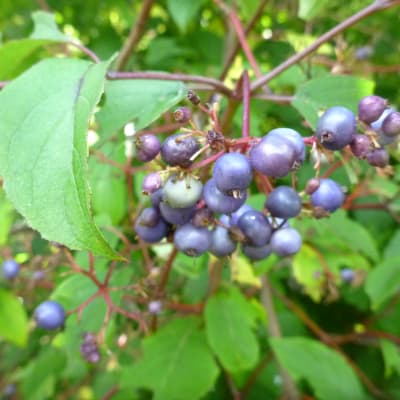
Cornus amomum 8-12' x same. Large rounded long-limbed shrub. Effective for erosion control, wildlife or pollinator habitat. Maroon bark visible in winter. Suckers and spreads. Native to eastern U.S. Z4.
read more
Medicago sativa Perennial legume, up to 3' high. This fragrant plant has beautiful purple flowers and is great for hay and as a cover crop. Herbalists consider it a valuable nutritive tonic.
read more
Hordeum vulgare Annual spring grain. Variety: ‘Quest.’ Suitable for cover-cropping, grain production, home brewing, or forage. Reliable, valuable feed grain for livestock.
read more
Trifolium repens Perennial legume. 8–12" tall. Fantastic nitrogen fixer with great protein and digestibility. Tall enough to be harvested for hay, silage, and green chop. Good choice for poorly drained soil.
read more
Trifolium pratense Biennial legume. Up to 36". Vigorous red clover for cover cropping or grazing. Deep taproot. Tolerates shade, so a good choice for overseeding into standing crops. Blossoms make a lovely tea.
read more
Sorghum × drummondii Annual grass. Vigorous, competitive, adaptable cover crop or annual forage. Likes heat and high fertility. Grows best in warm weather when other grasses slow down.
read more
Pennisetum glaucum (120 days) Open pollinated. Ornamental grass with deep-purple foliage and large purple seed spikes. Popular in arrangements. 4-5' tall.
read more
Pennisetum glaucum (120 days) Open pollinated. Ornamental grass with deep-purple foliage and large purple seed spikes. Popular in arrangements. 3-5' tall.
read more
Valerianella locusta (60 days) Open pollinated. Heirloom. Vigorous large-leaf type of staple salad green. Best for sowing in spring for early summer harvest.
read more