Malus spp. This is a twig for grafting. Fall. Sharp cider apple. One of few good for single varietal cider. Incredibly vigorous, productive. Hardy. Z4.
read more
Malus spp. This is a twig for grafting. Fall. From an ancient tree in Waterville, ME. Sweet with little acidity, excellent for cider and sauce. Z4.
read more
Malus spp. This is a twig for grafting. Fall-winter. Medium-sized intensely flavored apple is fine, juicy and tender. Keeps till January. Blooms early-midseason. Z4.
read more
Malus spp. This is a twig for grafting. Fall. Large juicy apple. Crisp yellow flesh, balanced flavor. Good fresh eating and cooking. Keeps until January. Annual bearer. Z4.
read more
Malus spp. This is a twig for grafting. Late summer-fall. Medium size, crisp white flesh. All-purpose. Keeps till late fall. Scab-immune. Annual bearer, begins at early age. Z4.
read more
Malus spp. This is a twig for grafting. Summer. One of the best varieties for summer fresh eating and cooking. Stays crisp long enough to use the crop. Disease and pest resistant. Very hardy. Z3.
read more
Malus spp. This is a twig for grafting. Summer. High-quality apple for fresh eating and sauce. Yellow fruit with dark red streaks and blotches. Fine-grained juicy tender aromatic creamy white flesh. Z3.
read more
Malus spp. This is a twig for grafting. Fall. The most important apple in the Northeast. Delicious and aromatic. All-purpose. Annual bearer. Very susceptible to scab. Z4.
read more
Malus spp. This is a twig for grafting. Late fall. Full bittersweet cider apple. Lots of tannin. Light yellow fruit mostly covered with tan russet. Combine with other late varieties. Z4.
read more
Malus spp. Mid-late summer. A fine summer dessert and cider apple. Makes delicious pink sauce. Tree is vigorous, precocious and annual bearing. Z4.
read more
Malus spp. This is a twig for grafting. Summer. One of the best-flavored early apples for northern growers. Crisp, tender, juicy subacid. Glossy red round fruit. Z3.
read more
Malus spp. This is a twig for grafting. Fall. Small but flavorful. Crisp, juicy, tart, tangy, spicy. Good in hard cider. Keeps until January. Bears young, heavily, annually. Z4.
read more
Malus spp. Late summer. Medium-sized, highly-flavored fruit. Good balance of acid/sweet. Crisp and juicy fresh-eating. Stores up to seven weeks. Z3.
read more
Malus spp. Fall. Excellent bittersweet for blending in hard cider. Juicy firm quite bitter very astringent flesh has a very high sugar content. Rare. Z4.
read more
Malus spp. Fall. Bittersharp cider apple high in tannin and acidity. Makes a full-bodied vintage cider with nice blend of acid, tannins and sugar. Decent fresh-eating. Z4.
read more
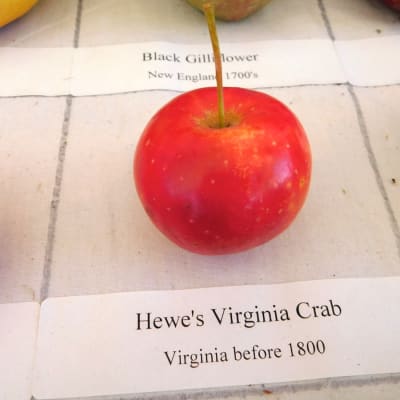
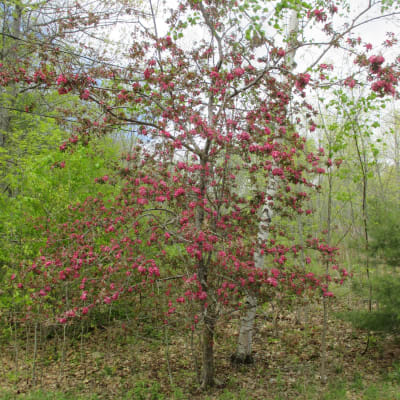
Malus spp. Ornamental flowering crabapple with beautiful rose-like blossoms and bitter green fruit. Very high in tannin. Great for cidermakers! Blooms late. Z4.
read more
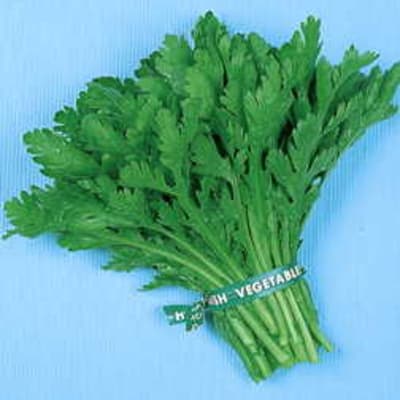
Glebionis coronaria (40 days) Open pollinated. Japanese Shungiku prized for small grey-green leaves and 3" yellow flowers, both edible. Sow in spring.
read more
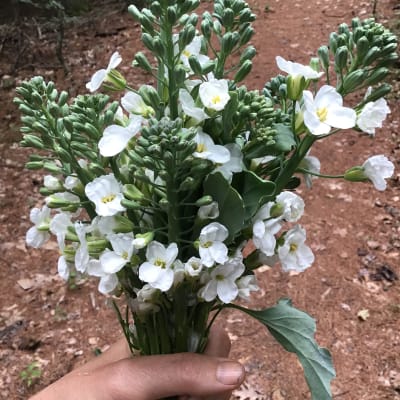
Brassica rapa (37 days) Open pollinated. Produces many pencil-thick deep purple flowering shoots with pleasing mild mustard flavor. Grows best in cool weather.
read more
Brassica rapa (pekinensis group) (35 days) Open pollinated. Loose round chartreuse leaves, flat white stems, and blossoms, all edible. Can be cut small for mesclun. Fair bolt tolerance.
read more
Brassica rapa (narinosa group) (45 days) Open pollinated. Spoon-shaped dark green leaves in compact rosettes. Very hardy. Cut-and-come-again.
read more
Brassica oleracea (45-60 days) F-1 hybrid. Also called Chinese Broccoli. Grown for succulent stems, leaves and florets. Uses and flavor similar to broccoli. Tolerant to heat and cold.
read more
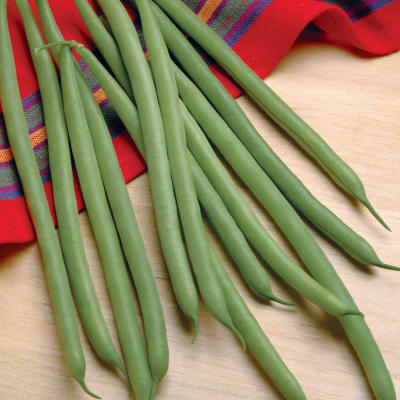
Phaseolus vulgaris (56 days) Open pollinated. High yields of tasty 5–7" straight slender round dark green beans. Holds quality well both on the plant and after harvest.
read more
Phaseolus vulgaris (85 days) Open pollinated. Dense foliage produces medium runners, lavender flowers and good yields of thin delicate pods each containing 5-6 lustrous black seeds.
read more
Beta vulgaris (48 days) Open pollinated. From 1911, beloved by commercial growers and home gardeners. Early beet greens and bunching beets. Quick cold soil emergence. Attractive purple tops.
read more
A blend of microorganisms and mycorrhizal fungi to prevent seed rot and enhance growth for corn, legumes, grasses, potatoes, garlic, and other veggies. Recommended if you cut your own seed potatoes!
read more
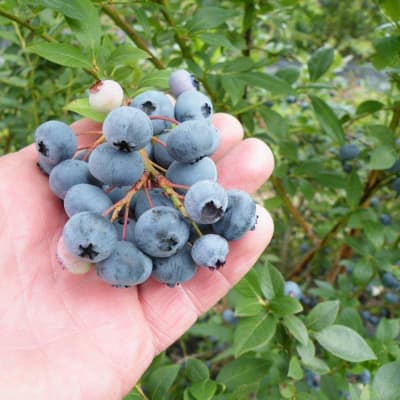
Vaccinium corymbosum Mid. 6-8' × 5'. High-quality medium light blue berries are firm, sweet and low in acidity. High yielding. Upright bush has shown some tolerance to clay soils. Z5.
read more
Brilliantly framed as a detective story, this book is a must for anyone interested in apples and the old-timey experts behind the scenes. Filled with photographs and beautiful illustrations.
read more
This guide forgoes a full taxonomy of each species in favor of highlighting a few unique traits that single out each one. Features plenty of color photos of each detail to help you ID your trees.
read more
A poignant and galvanizing collection of essays and conversations with respected Black leaders, brilliantly woven together by Leah Penniman of Soul Fire Farm, author of Farming While Black.
read more
An approachable botany textbook and herbal field guide to North American plants with colorful illustrations on nearly every page. Regularly updated by the author since its release in 1996.
read more
The definitive guide to growing garlic. He covers varietal differences and history, and provides in-depth cultural information on growing, harvesting, storing and marketing garlic.
read more
A standout among the many no-till books. Frost provides a deep look into the living nature of soil while broadening our practical understanding of how to grow crops in a regenerative way.
read more
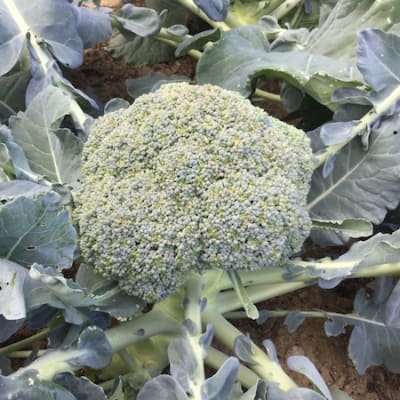
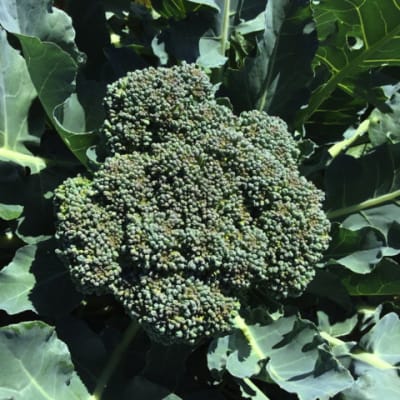
Brassica oleracea (botrytis group) (75 days) F-1 hybrid. Dark green large heads with medium-fine bead. Heat-tolerant in spring and summer, also good for fall harvests.
read more
Brassica oleracea (botrytis group) (62 days) F-1 hybrid. Consistent 6–8" high-domed heads with gorgeous blue-green beads. Resilient variety developed for growers in the Northeast.
read more
Brassica oleracea (botrytis group) (92 days) Open pollinated. Reliable 6" heads with medium bead. No side shoot production. For fall crops only.
read more