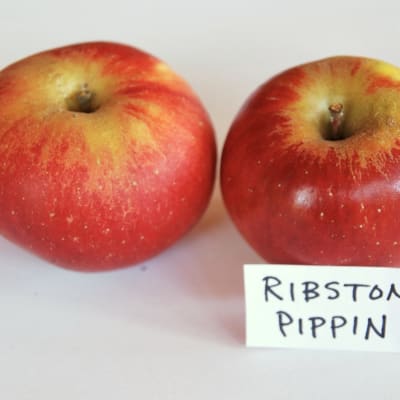
Malus spp. Fall-winter. Medium-large, sharp, crisp, rich, aromatic dessert apple. Also good in cider. Great fresh eating till January. Blooms midseason. Z4.
read more
Malus spp. This is a twig for grafting. Fall-winter. Medium-large, sharp, crisp, rich, aromatic dessert apple. Also good in cider. Great fresh eating till January. Blooms midseason. Z4.
read more
Malus spp. This is a twig for grafting. Late fall. Distinctly bumpy rough texture. Highly flavored. Excellent dessert apple for the connoisseur. Z4.
read more
Malus spp. Winter. Excellent fresh eating. Very large russeted fruit with firm white fine-grained flesh and nutty sweet-sharp flavor. Good keeper. Z4.
read more
Malus spp. This is a twig for grafting. Winter. Excellent fresh eating. Very large russeted fruit with firm white fine-grained flesh and nutty sweet-sharp flavor. Good keeper. Z4.
read more
Perilla frutescens var. crispa (85 days) Open pollinated. Japanese heirloom. Ornamental and edible purplish-red anise-scented leaves. Used in sushi, sauces, garnishes, pickles, stir-fries, and to color umeboshi plums red.
read more
Phaseolus vulgaris (55 days) Open pollinated. Also known as Kwintus. A superior early pole bean. Somewhat flattened pods are slow to get tough.
read more
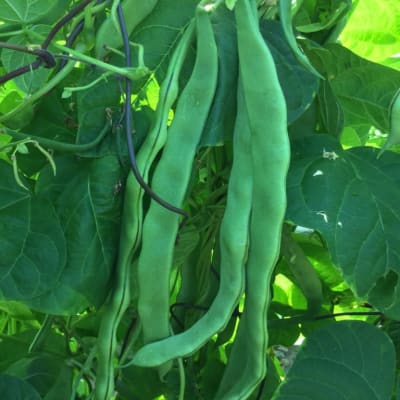
Phaseolus vulgaris (70 days) Open pollinated. Beautiful 6-7" green pods with purple streaking. Tan seed with dark stripes. Also known as Preacher Bean.
read more
A poignant and galvanizing collection of essays and conversations with respected Black leaders, brilliantly woven together by Leah Penniman of Soul Fire Farm, author of Farming While Black.
read more
First published in 1973, this comprehensive guide to canning, freezing and drying the garden’s bounty has been updated and offers useful recipes and trustworthy food-safety protocols.
read more
⅞" (internal diameter) clips made of non-GMO cornstarch, to attach tomatoes (or cucumbers, or melons, or other thin-vined plants) to your trellis system.
read more
Three tools in one: punches holes in mainline for drip tape or spot emitters (with a very snug fit), cuts mainline and emitter tubing, and inserts spot emitters.
read more
This simple pistol-grip punch is the new standard for punching holes in any size mainline, or for inserting drip tape fittings, spot emitters, or ¼" line with barb connectors.
read more
For watering anything with an irregular spacing: potted plants, trees, shrubs, landscape plants, etc. Sometimes referred to as “spaghetti tubing.” Comes with pre-attached barb.
read more
With annuals and biennials, grasses and legumes and broadleafs, and roots of all shapes and sizes, this blend mimics natural diversity and encourages a flourishing and balanced microbial population.
read more
A superior soil-building cover crop mix. The oats come up first and are pulled down by the peas, which are then pulled down by the smothering vetch. Weeds don’t stand a chance in that jungle!
read more
Avena sativa Annual grass. Vigorous, lush foliage. Significantly more biomass production than common oats, making them superior for cover-cropping/soil-building, and for feeding livestock. Organic seed.
read more
Brassica oleracea (acephala group) (62 days) Open pollinated. Italian heirloom also known as Lacinato and Tuscan Black. Very dark green wrinkled, pebbled sturdy leaves extend like palm fronds from stalk.
read more
Brassica napus (pabularia group) (60 days) Open pollinated. Unsurpassed tenderness and flavor. Green oakleaf with purple veining darkens in cold weather. Wilts quickly once picked. Great microgreens.
read more
Brassica napus (pabularia group) (60 days) Open pollinated. Unsurpassed tenderness and flavor. Green oakleaf with purple veining darkens in cold weather. Wilts quickly once picked. Great microgreens.
read more
Laser-cut birchwood markers. Each tag is engraved with a crop’s name and a charming line drawing to represent it. Set of 20 stakes covers the most common annual garden crops. Made in WA.
read more
Treated with non-toxic white paint, these are the official stakes in Fedco trials. At the end of the summer, names stand out clearly and the stakes show little deterioration. Made in Maine.
read more
Lactuca sativa (65 days) Open pollinated. Compact hardy plants with reddish-amber–tipped green leaves and crunchy batavian taste. French heirloom stands the test of time as well as the chill of fall.
read more
Lactuca sativa (42 days) Open pollinated. Popular heirloom. Early looseleaf lettuce, 16" in diameter. Large crumpled juicy light-green leaves. Will not stand heat.
read more
Lactuca sativa (49 days) Open pollinated. Standard red leaf lettuce. Attractive 10-16" heads with purplish red-splashed leaves. Lightly crunchy with melting texture. Withstands some heat.
read more
Lactuca sativa (65 days) Open pollinated. French heirloom. Semi-romaine head with deep red outer leaves. Green inner leaves with bronze tips. Excellent cold tolerance, good for overwintering.
read more
Lactuca sativa (47 days) Open pollinated. Heirloom. Beautiful large twisting red and green rosettes with heavy purple accents. Tender, buttery.
read more
Allium cepa (110 days) Open pollinated. 19th century heirloom. Large medium-firm deep purple-red flattened globes with pinkish-white fine-grained flesh. Long-day. Keeps till late winter.
read more
Contains all the key ingredients in the Holistic Spray recipe developed and recommended by Michael Phillips and the Holistic Orchard Network to enhance tree and fruit growth and help ward off disease.
read more
Reseda odorata Open pollinated. Insignificant yellow-green blossoms grown for their enticing raspberry scent. Once common in Paris. Compact plants.
read more
Hyssopus officinalis Open pollinated. Perennial. Normally hardy to Zone 3. Beautiful aromatic perennial border plant that produces spikes of indigo flowers.
read more
Prunus persica Early-Mid. Peento-type peach is flat, semi-freestone with sugary white flesh. Great for drying. Heavy yields on vigorous tree. Z4.
read more