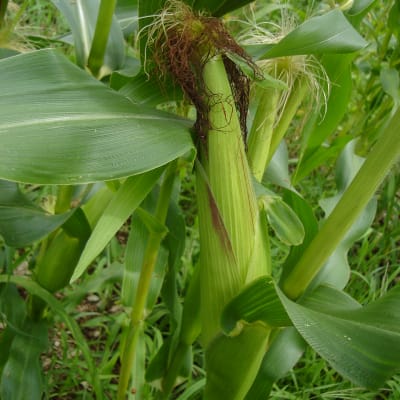
Zea mays (72 days baby, 110 dry) Open pollinated. For baby corn, harvest ears about five days after silks appear. Or grow to full size for popcorn. 5' plants each bear 3-6 4" ears with white kernels.
read more
Zea mays (72 days) Open pollinated. Bred by Fred Ashworth. 5' stalks, 6-7" yellow ears, good flavor. Harvest at milk stage; does not hold in the field. Starts well in cool soil.
read more
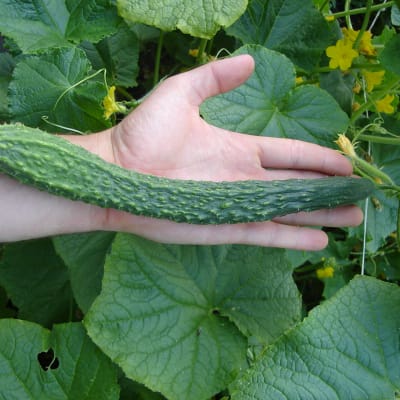
Cucumis sativus (63 days) Open pollinated. Maine heirloom. 3-4" short plump oval cream-white fruit with black spines. Excellent fresh eating.
read more
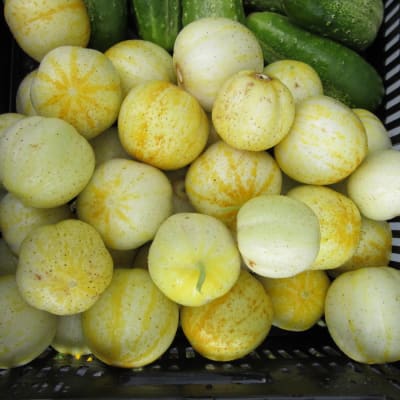
Cucumis sativus (68 days) Open pollinated. Specialty heirloom. Rounded 3" crisp non-bitter fruit. Skin turns from pale greenish yellow to lemon yellow. Productive.
read more
Three tools in one: punches holes in mainline for drip tape or spot emitters (with a very snug fit), cuts mainline and emitter tubing, and inserts spot emitters.
read more
Seals a line of tape at the end of a row. These ends are more finicky than the old sleeve style ends; be sure to make the cut on your drip tape perfectly square to help prevent leaks.
read more
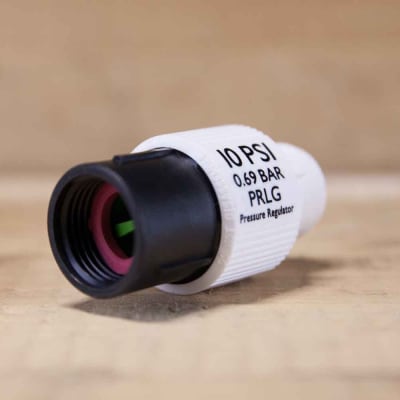
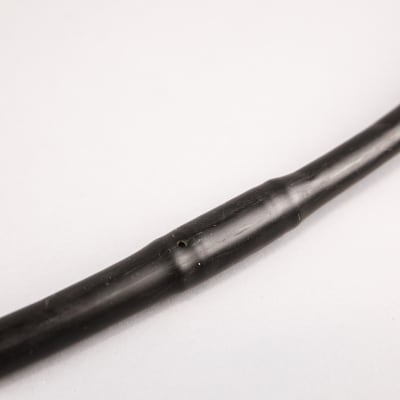
Provides consistent water flow regardless of slope or hose length. No external parts to snap off or leak. Does not clog as easily as soaker hose. With proper care, tubing will last 10 years or more.
read more
This expansion kit can add another 200' of irrigation to your existing setup. Contains 200' of low-flow drip tape, 10 drip-tape fittings, 10 drip-tape ends, and 2 couplers.
read more
Echinacea purpurea 3-5' tall. Spiny seedheads are a beautiful coppery yellow-brown, surrounded by a single row of reflexed lavender-purple petals. Tinctured roots boost the immune system. Z3.
read more
Solanum melongena (88 days) Open pollinated. Italian heirloom. White with lavender streaking, plump, 3-4" wide by 5" long. Fruits avg 2 lb. Creamy, delicate, great for gourmet markets.
read more
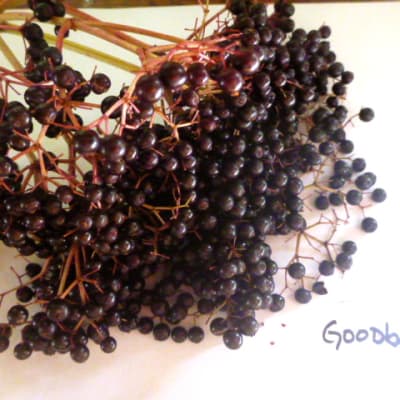
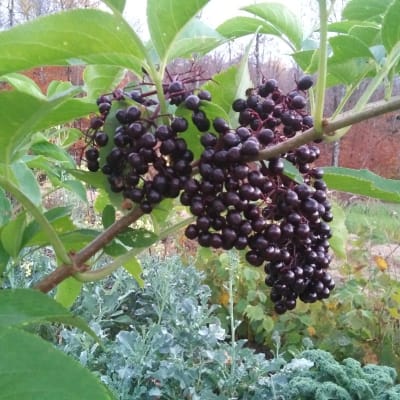
Sambucus canadensis 6-12' x same. Large elderberries and fruit clusters make for easy and fast picking. Very large vigorous strong productive bush. Z3.
read more
Sambucus canadensis 6-12' x same. Each grown from a cold-hardy seed and will be a totally unique plant. Some of our best plants grew from batches of such seedlings. Z3.
read more
Sambucus canadensis 5-10' x same. Blooms heavily and produces large elderberry crops annually. Hardy, vigorous with apparent self-fertility. Z3.
read more
With 26 full-page illustrations (including covers), our exclusive coloring book features some mash-ups you might recall from past catalogs, and some brand-new ones, for an all-ages coloring fun fest.
read more
Foeniculum vulgare (90 days) F-1 hybrid. A sweet and mild bulb fennel that resists bolting. The delicate flavor will win over even fennel skeptics.
read more
Foeniculum vulgare (72 days) Open pollinated. Nearly as bolt proof as those pricey hybrids seven times the cost and 5-7 days longer-standing than Zefa Fino, with much thicker bulbs.
read more
Cucurbita pepo var. ovifera (95 days) Open pollinated. Warted assorted flats, rounds, short pears and spoons in a variety of colors and patterns.
read more
Sorghum bicolor (105 days) Open pollinated. Sprays of ornamental seedheads in gold, bronze, brown, black, burgundy, red and cream are great for making natural straw brooms and classic autumnal displays. Small shiny seeds are beloved by birds.
read more
Pennisetum glaucum (120 days) Open pollinated. Ornamental grass with deep-purple foliage and large purple seed spikes. Popular in arrangements. 3-5' tall.
read more
Oryza sativa (115 days) Open pollinated. Upland short-grain hardy Russian variety adapted to dry-land production. Can withstand a light frost. May be direct seeded in warmer regions.
read more
Oryza sativa (120 days) Open pollinated. Short grain light brown rice, can work in Zone 5b in paddies from direct sowing but does best from transplants.
read more
Oryza sativa (120 days) Open pollinated. Lowland variety from northern Japan. Pearly white short-grain sweet-sticky rice is great for mochi and fries well.
read more
Amaranthus tricolor (120 days) Open pollinated. Very red Jamaican traditional green for Callaloo stew. Beautiful tricolor blaze makes it ornamental as well.
read more
Lupinus mutabilis (130 days, longer to seed) Open pollinated. “Lost” crop of the Incas. Wild-looking 3' lupine native to the high Andes. Attractive, many-colored flowers. Protein-rich seeds.
read more
Triticum aestivum Open pollinated. Extremely cold hardy hard red wheat good for small spaces and well adapted to New England. Flour has great flavor and texture, and sturdy plants make great straw.
read more
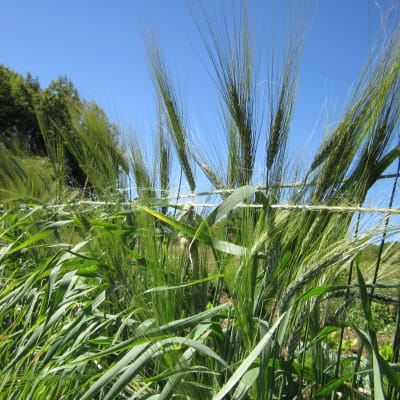
Triticum durum Open pollinated. Too beautiful to eat! Used for wheat weaving and flower arrangements. Four rows with blue-grey husks and long black awns. Sow in April, reap in Sept.
read more
Vitis spp. Mid. Clusters of medium-sized dark grapes with a heavy blue bloom. Our most popular seeded grape. Excellent for fresh eating, jelly and juice. Z3.
read more
Vitis spp. Early-Mid. High-quality white wine grape imparts pineapple and grapefruit flavors with very floral characteristics. Also great for fresh eating. Z3/4.
read more
Vitis spp. Very Early. Large seedless blue berries good for fresh eating, juice or raisins. Resists cracking and performs well in hot wet summers. Very vigorous. Z5.
read more
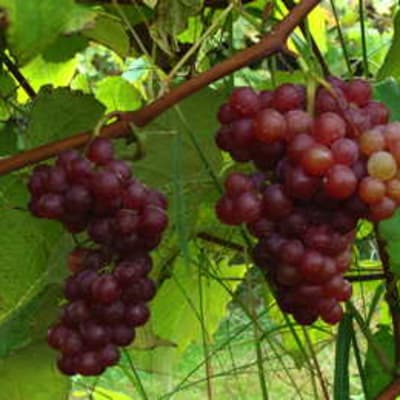
Vitis spp. Very Early. Large loose clusters of tender sweet pinkish-red grapes with a strawberry-like flavor. Good for fresh eating or juice. Stores well. Z4/5.
read more
Vitis spp. Mid. Large bright firm seedless deep red grapes with a fruity flavor. Makes the best raisins. Excellent fresh eating. Vigorous vines. Z4/5.
read more
Open pollinated. Five or more kinds chosen from among arugulas, beets, chards, chervil, mustards, orachs, purslane, and kales. All organic, exact components vary.
read more
Open pollinated. Two packets: one mixed lettuces, one mixed greens. Plant lettuces first, then greens for fabulous salad mixes. Cut then water, and they grow again.
read more