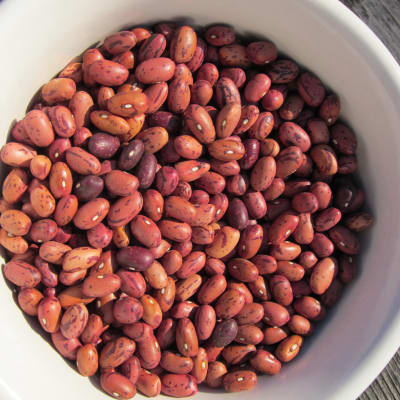
Phaseolus vulgaris (70 days shell, 95 days dry) Open pollinated. Pods contain 5-6 speckled cranberry-colored beans. Reliable and hardy heirloom.
read more
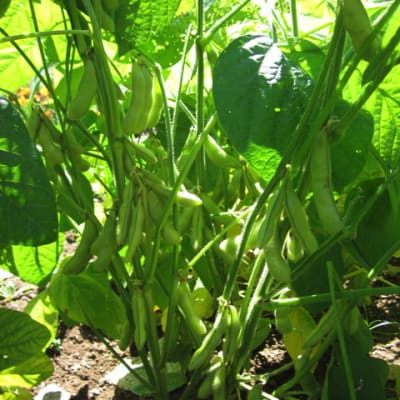
Glycine max (83 days) Open pollinated. Large beans with exceptional soybean flavor when eaten fresh. 2' compact plants are great for small gardens.
read more
Beta vulgaris (55 days) Open pollinated. Round rose-gold beet. Zoned white-yellow raw interior cooks to light orange. Short light green tops with gold stems and veins.
read more
Beta vulgaris (55 days) Open pollinated. Selection from heirloom. Light red exterior; interior rings of pink and white. Green tops. Exceptional sweetness.
read more
Beta vulgaris (48 days) Open pollinated. From 1911, beloved by commercial growers and home gardeners. Early beet greens and bunching beets. Quick cold soil emergence. Attractive purple tops.
read more
Beta vulgaris (55 days) Open pollinated. Vibrantly golden beets, sweet and delicious. Elongated pyramid shape with no green shoulders. Greens also delicious!
read more
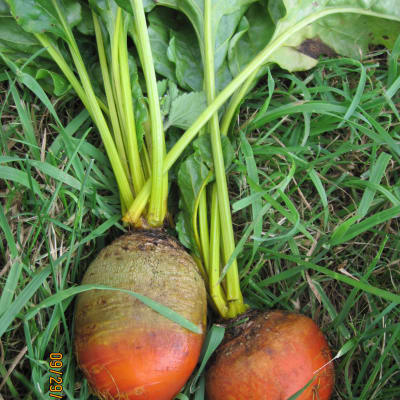
Beta vulgaris (54 days) Open pollinated. Gold beet with Lutz shape, size and mild sweet flavor. Green tops with some golden stem. Golden orange roots with orange shoulders.
read more
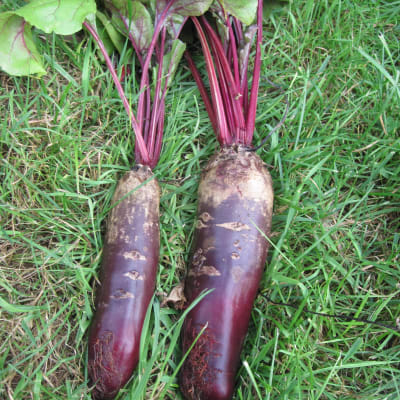
Beta vulgaris (60 days) Open pollinated. Heirloom, also known as Winter Keeper. The best winter storage beet. Glossy green tops with no purple.
read more
Vaccinium corymbosum Early-Mid. 5-7'. One of the best blueberries for eating, freezing, canning and preserving. Loose clusters are easy to harvest. Productive bush is vigorous and upright. Disease resistant. Z4.
read more
Vaccinium corymbosum Early-Midseason. 4-6' Large firm high dessert quality berries are considered the best-tasting by nearly everyone who grows highbush blueberries. Very vigorous and consistently productive. Z4.
read more
A must-read for anyone in the cannabis industry. Covers all aspects from soil and seed, to planting, growing and maintaining, through markets and product diversification. Funny and informative.
read more
The book you need to grow apples organically. This revised and expanded version includes apple-growing basics, as well as the latest research and strategies for successful organic orchards.
read more
This guide forgoes a full taxonomy of each species in favor of highlighting a few unique traits that single out each one. Features plenty of color photos of each detail to help you ID your trees.
read more
A poignant and galvanizing collection of essays and conversations with respected Black leaders, brilliantly woven together by Leah Penniman of Soul Fire Farm, author of Farming While Black.
read more
Filled with clear how-to and how-not-to instructions, along with useful illustrations and laugh-out-loud humor, Turnbull walks through the basics and delves into specifics for more than 150 plants.
read more
A soil science book for everyone! Filled with farmer anecdotes, insightful reference charts, and illustrations, this book is both engrossing and practical for anyone who works with soil.
read more
A standout among the many no-till books. Frost provides a deep look into the living nature of soil while broadening our practical understanding of how to grow crops in a regenerative way.
read more
With plenty of scientific detail and practical knowledge about a variety of regenerative practices, Phillips reveals how mycorrhizal fungi are deeply embedded in healthy soils and plant physiology.
read more
Lorimer profiles 235 native plants, describing their growing needs and habits, wildlife value and native habitat, with gorgeous color photos to emphasize the unique beauty of each species.
read more
This book dives deep into the chemical and biological workings of your garden soil! Plenty of in-depth science, but also includes 12 soil amendment recipes simple enough for a layperson to follow.
read more
Placing emphasis on those with special health and dietary needs, Deppe covers her Golden Rules of Gardening, five essential crops you need to survive and thrive, as well as recipes and seed saving.
read more
If thoughts of crisp carrots in March set your mouth watering, you'll love this well-illustrated tour of root cellar designs, featuring varietal selections, best storage conditions, and recipes.
read more
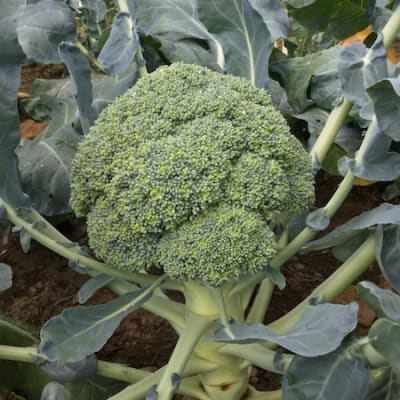
Brassica oleracea (botrytis group) (94 days) F-1 hybrid. Large deep green heads are finely beaded, high domed with no lobing. Amazing resilience and crazy-weather tolerance.
read more
Brassica oleracea (botrytis group) (56 days) Open pollinated. Sweet stalks and stems produce succulent small green loose heads with very large beads. Abundant side shoots. Excellent flavor and heat tolerance.
read more
Brassica oleracea (gemmifera group) (120 days) F-1 hybrid. 1" tightly wrapped sprouts are widely spaced for ease of harvest and good air circulation. Vigorous and sturdy plants showed little aphid damage.
read more
Brassica oleracea (capitata group) (62 days) Open pollinated. Classic early round 3-5 lb grey-green compact heads on short stems. Excellent flavor. Not long standing.
read more