Prunus cerasus Summer, dark red skin. Brought to US from Hungary in the 90s during a search for later blooming cherries. One of the best sour cherries for fresh eating and processing! Z4/5.
Prunus avium Summer, black-mahogany red skin. Large sweet fruit. Vigorous, productive, upright; bears consistently in central Maine. Self-pollinating, but benefits from second variety. Z4/5.
Cucumis sativus (58 days) Open pollinated. Slicer from the same line as Marketmore 76. Fruit is slimmer and darker, with improved yield and disease resistance.
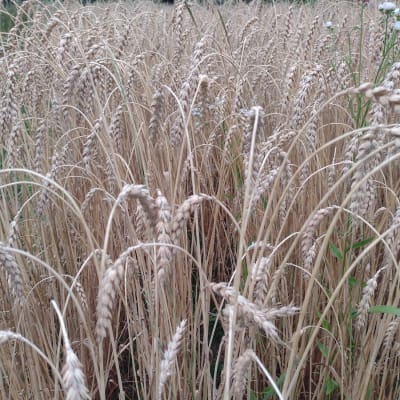
Triticum aestivum Winter annual grain. Extremely cold hardy hard red wheat. Flour has great flavor and texture, and sturdy plants make great straw. Good for small spaces. Well adapted to New England. Will Bonsall fave!
Triticum aestivum Open pollinated. Extremely cold hardy hard red wheat good for small spaces and well adapted to New England. Flour has great flavor and texture, and sturdy plants make great straw.
Vitis spp. Early-Mid. High-quality white wine grape imparts pineapple and grapefruit flavors with very floral characteristics. Also great for fresh eating. Z3/4.
Vitis spp. Very Early. Large seedless blue berries good for fresh eating, juice or raisins. Resists cracking and performs well in hot wet summers. Very vigorous. Z5.
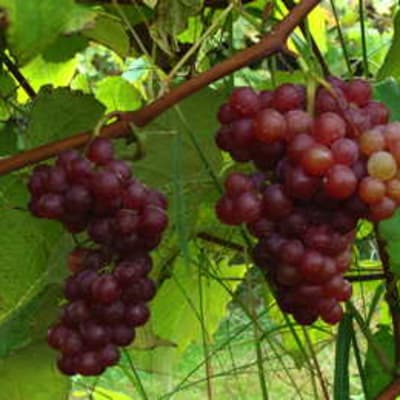
Vitis spp. Very Early. Large loose clusters of tender sweet pinkish-red grapes with a strawberry-like flavor. Good for fresh eating or juice. Stores well. Z4/5.
Open pollinated. Five or more kinds chosen from among arugulas, beets, chards, chervil, mustards, orachs, purslane, and kales. All organic, exact components vary.
Open pollinated. Two packets: one mixed lettuces, one mixed greens. Plant lettuces first, then greens for fabulous salad mixes. Cut then water, and they grow again.
Eruca sativa (44 days) Open pollinated. Cross of two European heirlooms and selected for vigor and cold hardiness. Turns purple when it freezes. Full of flavor.
Beta vulgaris (56 days) Open pollinated. Gold, yellow, orange and pink stems, midribs and veins. Tender dark green to bronze leaves with mild chard flavor.
Lonicera sempervirens 6–10' long. Scarlet-red and yellow flowers. Straight species. Selected for excellent blossom set and outstanding resistance to powdery mildew. Z3.
Iris sibirica 32" tall. Bred by legendary Maine hybridizer Currier McEwen in shades of creamy white with accents of yellow-green and buttery yellow. Early midseason to late. Z3.
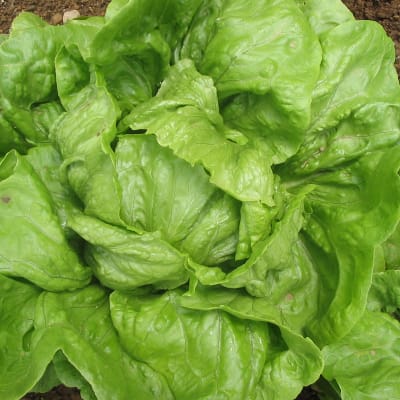
Lactuca sativa (72 days) Open pollinated. Slow-growing compact dark green Batavian with crisp outer leaves surrounding a round tightly-packed heart. Excellent heat tolerance.
Lactuca sativa (49 days) Open pollinated. Standard red leaf lettuce. Attractive 10-16" heads with purplish red-splashed leaves. Lightly crunchy with melting texture. Withstands some heat.
Lactuca sativa (55 days) Open pollinated. Dense oakheart heads range from mini to full to elf-eared. Variations in this gene pool range from deepest solid red to the heart, red spotting, speckling and blushing, to spotless green.
Lactuca sativa (56 days) Open pollinated. German heirloom. Attractive romaine has deep green leaves flecked with wine-red splotches. Excellent flavor and decent heat tolerance. Bestseller.
Lactuca sativa (56 days) Open pollinated. German heirloom. Attractive romaine has deep green leaves flecked with wine-red splotches. Excellent flavor and decent heat tolerance. Bestseller.
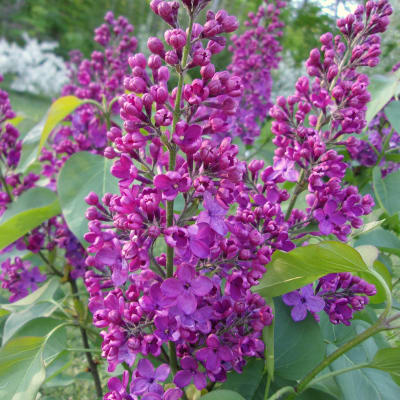
Syringa vulgaris 8x8'. Among the deepest and darkest purple flowers of all lilacs. One of the best in cultivation. Large clusters of very fragrant large single florets. Provides stunning contrast with others. Z3.
Vaccinium vitis-idaea 12-18". Very adaptable with large berries. Somewhat lower yielding but standard in commercial production as a great pollinator. May bloom twice a season. Z2.
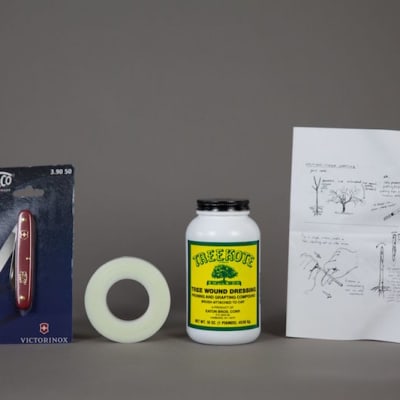
The basics you’ll need to graft fruit trees and other any woody plants. Includes: parafilm grafting tape, grafting knife, grafting compound, and illustrated instructions.
The basics you’ll need to graft fruit trees (or any woody plants that can be propagated by grafting). Includes: PVC grafting tape, grafting knife, grafting compound, and illustrated instructions
Prunus persica White flesh. Early-Mid. Peento-type peach is flat, semi-freestone with sugary white flesh. Great for drying. Heavy yields on vigorous tree. Z4.
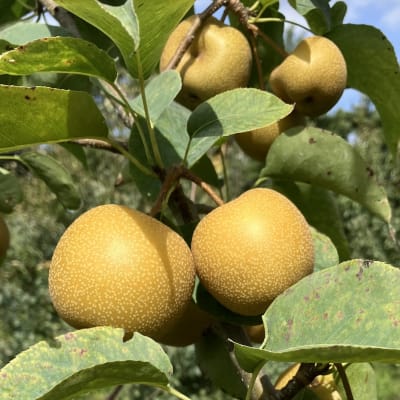
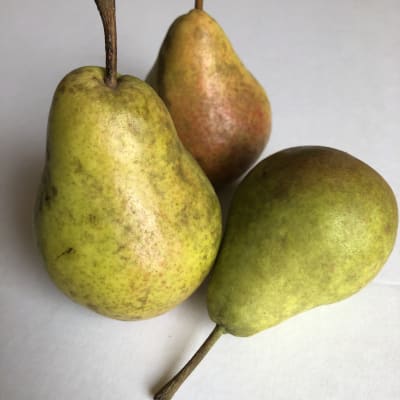
Pyrus communis Early summer, yellow-green skin, white flesh. Sweet juicy white flesh with no grit. Very productive and hardy. Strong resistance to fireblight. Z4.
Pyrus communis Midsummer, red-blushed green skin. Sweet dessert and canning pear. Eat them fresh, can them in quarters, and juice the rest. Fireblight-free. Z3.
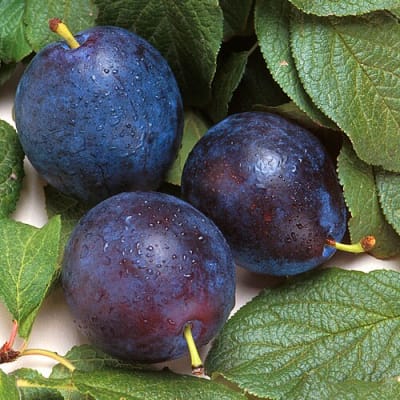
Prunus domestica Blue skin, golden yellow flesh. A relatively new plum showing promise in commercial and home orchards. Very juicy sweet yellow flesh. Clingstone. Z5.
Solanum tuberosum Mid-season, buff skin, white flesh. Smooth glossy skin and uniform tuber shape and size. Starchy texture is ideal for baking, mashing, fries and homemade chips.
Solanum tuberosum Very early season, buff skin, yellow flesh. For keeping it classic, you can't beat Yukon Gold's tasty butter flavor and marketable appearance.
Solanum tuberosum Very early season, buff skin, yellow flesh. For keeping it classic, you can't beat Yukon Gold's tasty butter flavor and marketable appearance
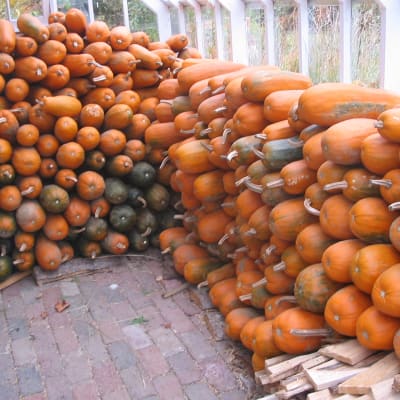
Cucurbita pepo Bright orange skin. (102 days) Open pollinated. Rare heirloom. 3-5 lb oblong fruits, green with an orange spot on the side. Ripen to full orange off-vine. Excellent for pies. Can store all winter.
Cucurbita pepo Golden orange skin. (100 days) Open pollinated. Heirloom. 7-8 lb rich-orange globed fruit with distinct finely russeted netted skin. Excellent for pies.

 Marketmore 86 Slicing Cucumber - ECOSeedsunavailable,