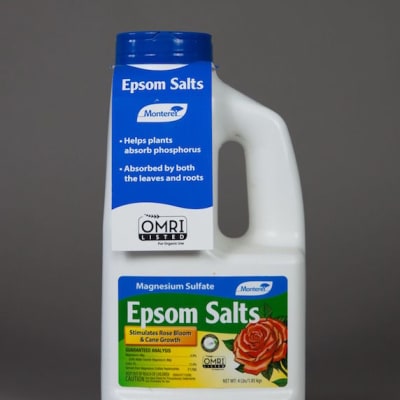
Magnesium is a building block of chlorophyll and therefore essential to efficient photosynthesis. May boost yields significantly, especially for roses and tomatoes.
Agricultural Sulfur. Use to make soil pH more acidic. Often helpful for both lowbush and highbush blueberries, and for potatoes. Lowering the pH of gravel paths will help control weed growth.
Silicon is linked to improved yields, especially recommended for cannabis, orchard crops, cucurbits, sweet corn, grains and forage crops. Also helps build resistance to powdery mildew.
NPK: 13-0-0. One of the fastest release times of all organic nitrogen sources. Highly recommended for corn. The smell (understandably) freaks out deer. Use as a side-dressing or till into soil.
NPK: 13-0-0(apx). Provides a strong and quick release of nitrogen. Apply in the row at planting time for sweet corn, melons, brassicas and other heavy feeders. Not water-soluble.
NPK: 0-16-0. Provides large amounts of readily available phosphorus. A most economical source of P for deficient soils. May be applied without restrictions to organically certified fields.
NPK: 6.9-11.9-0.8 avg. Excellent source of nitrogen and phosphorus. Use as a sidedressing or mix into compost to provide added nitrogen and a bacterial boost. A byproduct of wild-caught fish.
A good source of immediate potassium for depleted soil and of magnesium where calcium is abundant. Alliums like its sulfur and potatoes like its quick boost of potassium.
Malus spp.This is a twig for grafting. Winter, russeted yellow skin. Medium-sized russet apple. The champagne of cider apples, and excellent for eating. Keeps well into spring. Scab-resistant. Z4.
Malus spp. Multi-colored skin. Be the proud keeper of a sister tree to one of many rare varieties planted at the Maine Heritage Orchard. $30 from the sale supports the project.
Prunus mandshurica Extremely hardy drought-resistant tree native to northeast China, far east Russia and Korea. Useful in breeding new frost-resistant varieties. Fruit is of variable eating quality. Z3.
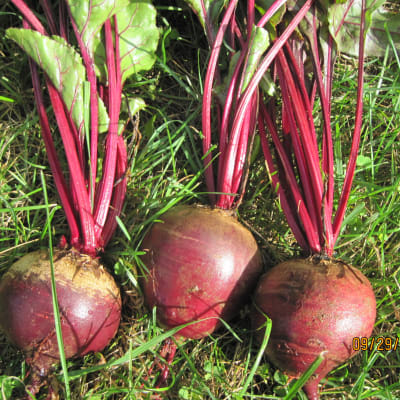
Beta vulgaris (60 days) Open pollinated. Heirloom. Uniform globular smooth red beet. Tender interior with deep red flesh. A favorite of home gardeners and canners.
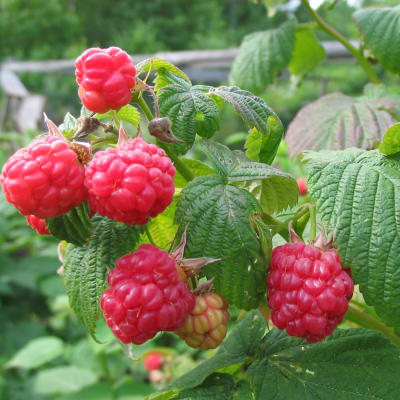
Rubus spp. Early-Mid. Round-conic medium-sized raspberries with an intense deep dark color. Strong aromatic tart flavor and perfect medium-soft texture. Z3.
Cucumis sativus (54 days) Open pollinated. Smooth thin-skinned fruits are juicy, refreshingly cool, enjoyably mild and almost completely free of the bitterness common in American slicers.
Portulaca oleracea var. sativa (50 days) Open pollinated. Golden-green leaves with succulent texture and mildly acerbic flavor. Ideal addition to mesclun.
Lactuca sativa (55 days) Open pollinated. German heirloom. Elegant loose softball-sized green butterhead lettuce with light brown pebbling on leaves. Excellent flavor and bolt resistance.
Cucumis melo Orange flesh. (88 days) Open pollinated. Firm orange flesh is mild but sweet with just the right amount of musk. 3-lb oval fruits feature exquisite netting.
Castanea crenata Vigorous, precocious and high yielding. Can cross-pollinate with Chinese, American and hybrid chestnuts. Moderate to high blight resistance. Z4.
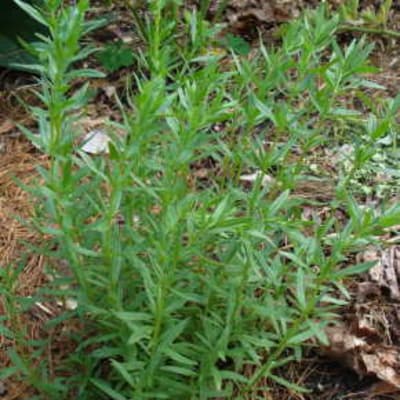
Hyssopus officinalis Open pollinated. Perennial. Normally hardy to Zone 3. Beautiful aromatic perennial border plant that produces spikes of indigo flowers.
Ceanothus americanus Small compact shrub fixes nitrogen and attracts pollinators. Leaves historically used as tea and medicine. Grows in poor soils. Native to N. America. Z4.
Lindera benzoin 6-12' x 8-12'. Large rounded multi-stemmed fragrant native shrub suited to moist or wet areas. Soft-yellow flowers. Glossy red edible berries. Z5.
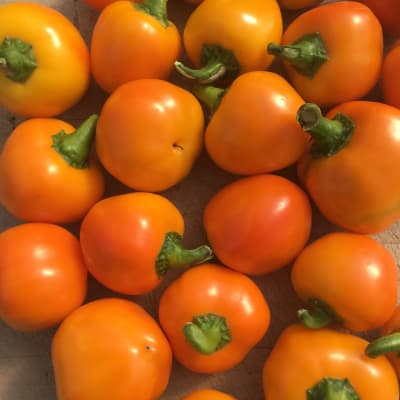
Capsicum annuum Tangerine skin. (74 days) Open pollinated. Round 1-2" shiny bright tangerine fruits on sturdy plants. Heat is comparable to a mild jalapeño, but varies with the weather
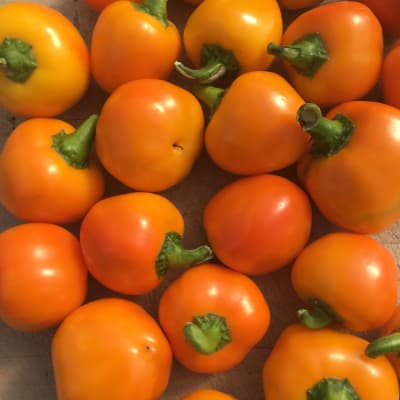
Capsicum annuum Tangerine skin. (74 days) Open pollinated. Round 1-2" shiny bright tangerine fruits on sturdy plants. Heat is comparable to a mild jalapeño, but varies with the weather.
Prunus spp Fuchsia skin, golden flesh. Midsummer. One of the most widely grown Japanese plums in Japan and Korea. Large oblong fruit ripens to a majestic fuchsia, with sweet-tart golden flesh. Clingstone. Z4.
Solanum tuberosum Early season, buff skin, white flesh. Creamy and fancy. Yields abundant golf-ball–sized potatoes throughout the growing season. Great for container gardening.
10½ x 21 x 2¼" grey plastic trays, often called 1020 Trays. Good for windowsills because they have no drain holes. Use with a dome to hold in heat and moisture.
Viburnum dentatum 8-15' x 4-10'. Vase-shaped native shrub traditionally used for making arrow shafts. Small blue-black fruits loved by birds. Adaptable. Forms colonies, makes a great hedge plant. Z2/3.
NPK: 3.4-2.2-3.5. An excellent all-purpose fertilizer for those who prefer to avoid animal products. Great for flower bulbs because it won’t attract critters.
NPK: 2-2-2. 16% Chitin. Nourishes chitin-feeding bacteria and fungi, which in turn devour gnat eggs and root-feeding nematodes. Also fortifies plants’ cell walls, and fosters healthy blooms.
Malus spp. Fall-winter, bright red skin, yellowish flesh. Medium-large, slightly tart, crisp and juicy. Thomas Jefferson’s favorite. Good acid source for cider. All-purpose. Good keeper. Z4.
Malus spp.This is a twig for grafting. Fall-winter, bright red skin. Medium-large, slightly tart, crisp and juicy. Thomas Jefferson’s favorite. Good acid source for cider. All-purpose. Good keeper. Z4.
Malus spp.This is a twig for grafting. Fall, russeted lime green skin, slightly yellow flesh. Large, distinctive “cathead” shape. Mild, moderately crisp, moderately tart and subtle. All-purpose; excellent for cooking, especially sauce. Z4.
Ocimum basilicum (55 days) Open pollinated. Bright, lemony and fragrant. Upright, mounded plants doesn’t get leggy. Delightful in salads, teas, desserts, marinades, lemonade and more.