Cuminum cyminum (100-115 days) Open pollinated. Foliage is fragrant and ferny, somewhat like dill; but unlike dill, plants grow only 1-2'. Annual, takes a long time to mature so start indoors in cold climates.
read more
Pycnanthemum incanum Open pollinated. A culinary herb, excellent cutflower and pollinator fave! “Mintier than mint” and less likely to spread.
read more
Alchemilla mollis Open pollinated. Perennial. 12-18" Bears large loose sprays of tiny greenish-yellow flowers from early summer onward. Makes a good border and ground cover in shady locations.
read more
Hypericum perforatum Open pollinated. 1-3' perennial hardy to Zone 3. Pretty yellow flower of fields and meadows turns tinctures and oils deep red.
read more
Acorus americanus 24-36" tall. Water-loving bog plant with broad sword-like foliage that smells sweetly of citrus and vanilla when crushed. Roots traditionally used as an aromatic bitter for digestive upsets. Z3.
read more
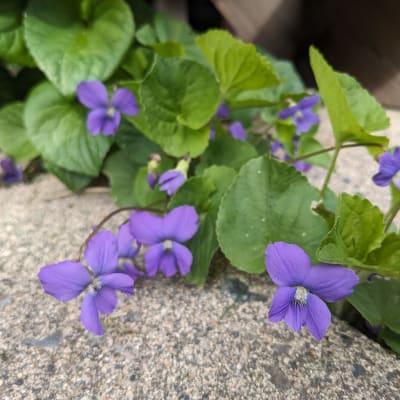
Viola sororia 6-10" tall. North American native with cheery blue-purple flowers and attractive heart-shaped leaves, all edible. Larval host plant for multiple species of butterflies. Z3.
read more
Asarum canadense 6–12" tall. Heart-shaped leaves up to 7" wide spread into a beautiful groundcover. Aromatic roots used medicinally. Needs shade. Z3.
read more
Viola × wittrockiana Open pollinated. Perennial to Zone 6. Heart-shaped leaves on mounded 4-6" plants covered with 3" mostly bicolor flowers, with darker whiskers and yellow eyes.
read more
Pastinaca sativa (120 days) Open pollinated. Outstanding variety. Those with good tilth can get refined tapered cylindrical roots 12-14" long.
read more
Pisum sativum (65 days) Open pollinated. Tender tendrils. Afila-type pea, 10 peas per pod. Upright habit makes easy picking; grows to 36-42".
read more
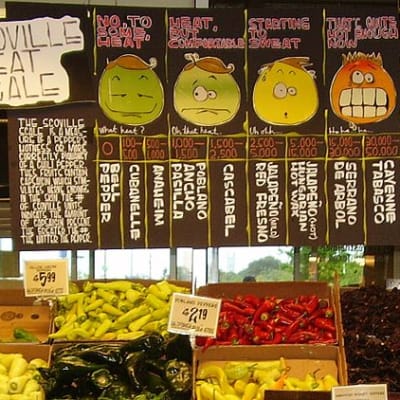
Capsicum annuum (78 days) Open pollinated. Dark green to red 7" long tapered. Pungent, moderately hot; 900-2,500 Scovilles. Typical pepper for chiles rellenos.
read more
Capsicum annuum (100 days) Open pollinated. Shiny orange fruits are a bit longer than a habanero but they pull off the look. Bushy short plants bear about 2 dozen sweet—not hot— fruits.
read more
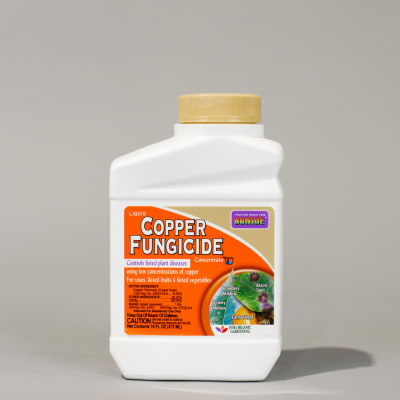
A copper fungicide for the home gardener. Copper is a very effective fungicide, but regular use may result in problematic concentrations in the soil or plant tissue: we advise regular soil testing!
read more
A soluble copper fertilizer combined with a fatty acid that controls most fungal diseases of plants and vegetables. Start treatment with copper before symptoms appear.
read more
High-grade mineral oil for control of powdery mildew, scale, mites and other insects on trees and vegetables. Kills mildew on contact, and protects sprayed surfaces for 10-14 days.
read more
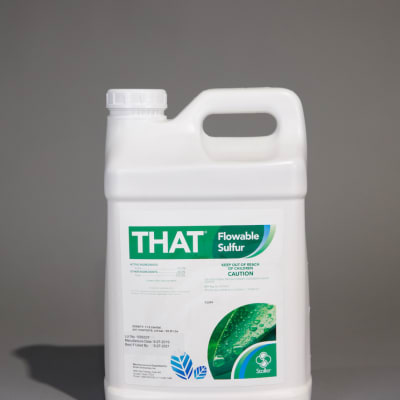
Easier to use in sprays and suspensions than micronized sulfur. Two to four well-timed applications can be effective on apple scab when combined with good orchard sanitation practices.
read more
Durable UV-resistant mesh floating row cover. Excludes all manner of insect pests, even those as small as flea beetles, thrips and aphids. Also excludes birds and rabbits.
read more
Durable UV-resistant mesh floating row cover. Excludes all manner of insect pests, even those as small as flea beetles, thrips and aphids. Also excludes birds and rabbits.
read more
Ultra-durable UV-resistant mesh row cover. Excludes most pests, even those as small as flea beetles and aphids, but not fine enough to exclude thrips. Also protects against birds, rabbits, even deer.
read more
Biological insecticide made of commercial strength Bt, and labeled for a wide variety of caterpillar and moth pests on practically every agricultural crop there is.
read more
Spinosad is selectively active on a broad range of insects including caterpillars, flies, and some beetles, as well as sawflies, wasps, and, alas, bees. For home use only. Please apply with caution.
read more
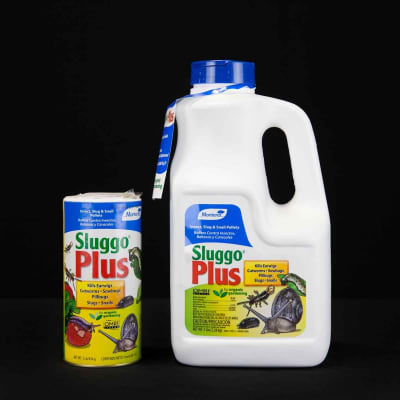
Similar to Sluggo, but with the addition of a small amount of spinosad (0.07%), which greatly increases effectiveness and scope. For snails, slugs, cutworms, earwigs, pillbugs, crickets and more.
read more
Liquid concentrate Bt (Bacillus thuringiensis subsp. kurstaki), labeled for a variety of caterpillar pests on most vegetables, ornamentals, and trees.
read more
Increases the life and effectiveness of pesticides by forming a sticky elastic film that holds the application in contact with leaf surfaces. Can withstand heavy rainfall. Will not clog or foam
read more
Use to monitor and trap insects, including apple maggot fly and cherry fruit fly. Use 1-6 traps per tree (depending on tree size) to significantly reduce apple maggot damage.
read more
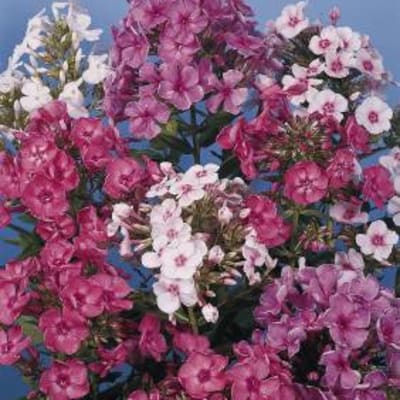
Phlox paniculata F-1 hybrid. Mix of white, pinks, reds and lilacs excellent for borders and cutflowers. Blooms from June till frost. Perennial.
read more
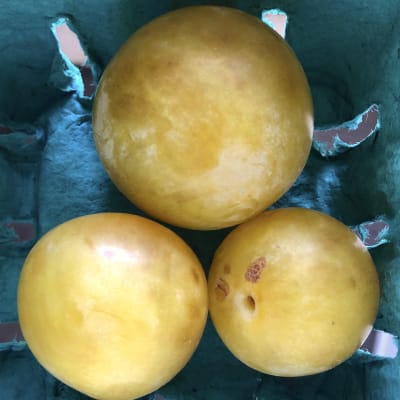
Prunus spp. Late summer. Roundish tender thin-skinned yellow plum sometimes blushed with a little pink. Tender yellow juicy flesh. Freestone. Z3/4.
read more
Prunus spp. This is a twig for grafting. Late summer. Roundish tender thin-skinned yellow plum sometimes blushed with a little pink. Tender yellow juicy flesh. Freestone. Z3/4.
read more
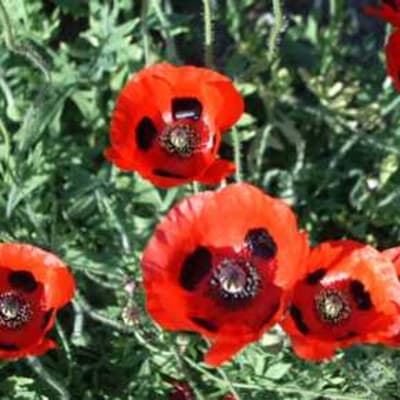
Papaver Open pollinated. Fire engine-red blooms resemble ladybugs with four black center dots. Compact 1½" delicate single blooms atop wiry 15" stems.
read more
Solanum tuberosum Early to mid-season, blue skin, yellow flesh. Round sapphire exterior creates a striking contrast with stunning gold flesh. High yielding. Also known as Peter Wilcox.
read more
Cydonia oblonga 10-25'. Large smooth light golden-yellow fruit with tart white flesh. Good for fresh eating, wine and pineapple-flavored jelly. Late bloomer ripens in late summer. Z4.
read more
Cydonia oblonga 10-25'. Oblong furrowed pear-shaped fruit with golden-yellow skin and mild light yellow flesh. Pink flowers. Good keeper. Ripens late summer to early fall. Z4/5.
read more
Raphanus sativus (30 days) Open pollinated. Heirloom. Slender 4-6" long white radish of high quality. Harvest young. Recommended for home gardens.
read more
Raphanus sativus (23 days) Open pollinated. A classic, done well. Impressively heat tolerant; roots can become quite large while maintaining round shape and resisting pithiness.
read more
Rosa rugosa 4-5' x 5-6'. Large clusters of loose double fuchsia flowers with spicy fragrance. Vigorous wide-spreading habit. Large hips. Disease resistant. Z4.
read more
Rosa carolina 2-4' x 5-10'. Single light pink 5-petaled flowers emerge May-June. Small red hips in fall. Found along streams, roads and open woods throughout New England. Full sun to partial shade. Native. Z2.
read more
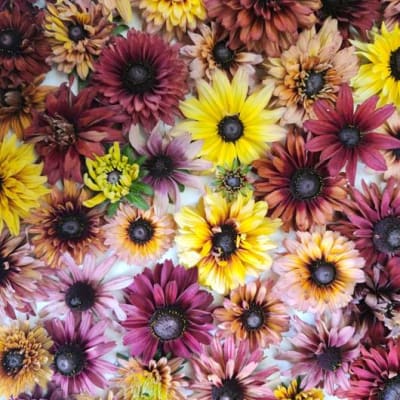
Rudbeckia hirta Open pollinated. With this stunning array of single and double blooms in raspberry, pink, yellow and copper, you'll have lovely bouquets and feast for the pollinators from midsummer to frost.
read more
Rudbeckia hirta (88 days) Open pollinated. Very large and distinctive. Pointy golden petals with light yellow tips. Branching 24-30" plants have long stems, ideal for cutflowers.
read more
Brassica napus (95 days) Open pollinated. Canadian origin. Uniform 5-6" almost neckless rutabaga with deep purple crown and cream-yellow base. Sweet pale yellow flesh.
read more