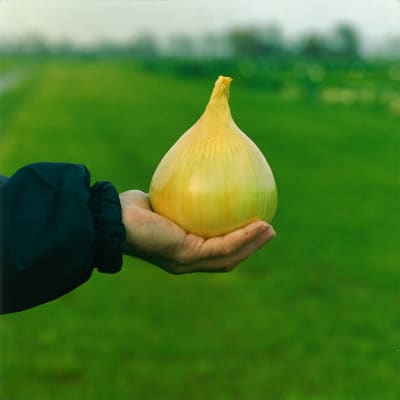
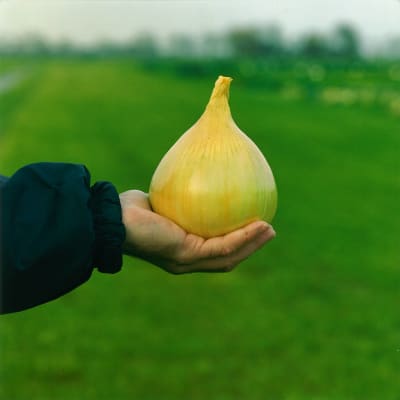
Allium cepa (110 days) F-1 hybrid. Uniform blocky globes, 2 lbs each, with tall tops. Best for storage; keeps until mid-May. Flavor a balance of sweet and tang. Long-day northern type.
read more
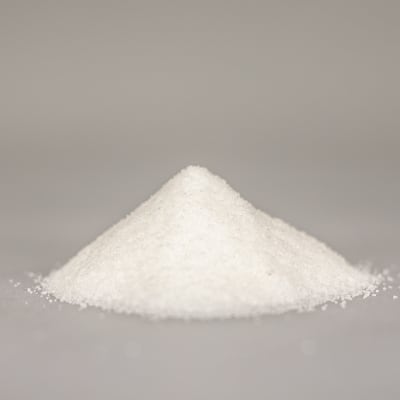
Safe, nontoxic, easy to use hydrogel formulation absorbs and holds water. The swollen crystals adhere to plant roots, reducing transplant shock. Useful for garden seedlings as well as woody plants.
read more
Rubber strips are more suitable for large grafts and supply more even pressure across the entire grafted area than grafting tape does. Slower to break down than Parafilm. Natural rubber formulation.
read more
Very stretchy 1" tape holds graft union firmly together. Unlike PVC, Parafilm, a low-molecular-weight polyethylene product, is relatively benign in the environment.
read more
Contains all the key ingredients in the Holistic Spray recipe developed and recommended by Michael Phillips and the Holistic Orchard Network to enhance tree and fruit growth and help ward off disease.
read more
Origanum heracleoticum Open pollinated. Perennial to Zone 4, but survives some winters in Zone 3. The true culinary herb for Greek and Italian cooking. Low-growing with fragrant dull green and purple leaves and white flowers.
read more
Centaurea americana (90 days) Open pollinated. Annual. Resembles a thistle, but no prickles. Grassy honey-like fragrance. Native to south-central U.S. and northeastern Mexico.
read more
Campanula carpatica Open pollinated. Perennial. Also known as Bellflower or Carpathian Harebell. Masses of light azure bellflowers above a tidy mound of foliage. Pelleted for ease of sowing.
read more
Cerinthe major var. purpurescens Open pollinated. Annual. Features coin-shaped grey-green foliage and profuse blue shrimp-like bracts with purple flowers. Beloved by bumblebees. 12-30" tall.
read more
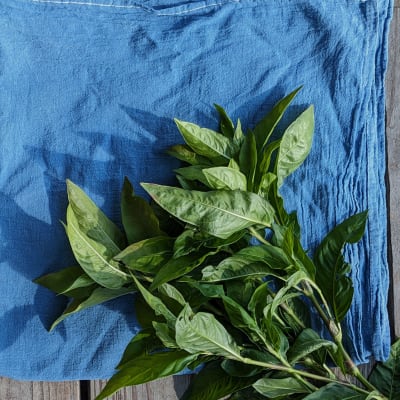
Persicaria tinctoria Open pollinated. Japanese indigo preferred by dyers in Maine. A tender annual, indigo thrives in fertile soil and likes heat and humidity.
read more
Lavatera trimestris Open pollinated. Mix contains mostly pink shades and some white. Explosion of funnel-shaped blossoms on 2' tall bushy plants.
read more
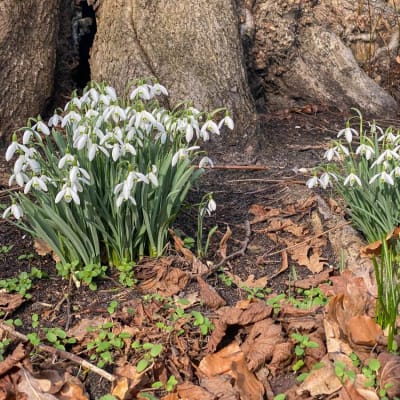
Galanthus elwesii Very early spring blooms. Even earlier, and a bit bigger, than the Common Snowdrop. Often the very first blossom of spring.
read more
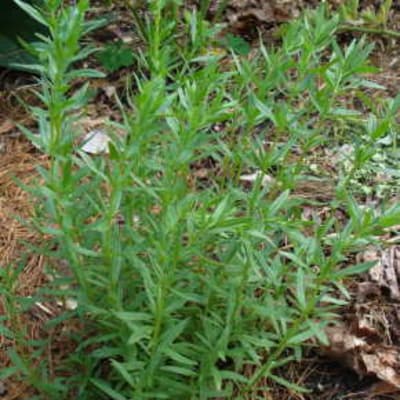
Hyssopus officinalis Open pollinated. Perennial. Normally hardy to Zone 3. Beautiful aromatic perennial border plant that produces spikes of indigo flowers.
read more
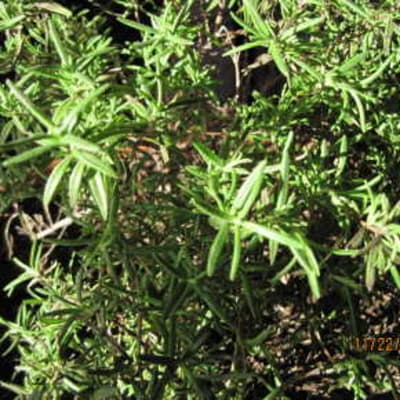
Rosmarinus officinalis Open pollinated. Beloved tender perennial growing to 3-4'. Cannot withstand temperatures below 17°, may be overwintered indoors if kept cool and moist.
read more
Spilanthes oleracea Open pollinated. Used as a ground cover in the south, it adds unusual beauty with its low growth habit and its cute yellow flowers with rayless red-orange centers.
read more
Spilanthes oleracea Open pollinated. Used as a ground cover in the south, it adds unusual beauty with its low growth habit and its cute yellow flowers with rayless red-orange centers.
read more
Hypericum perforatum Open pollinated. 1-3' perennial hardy to Zone 3. Pretty yellow flower of fields and meadows turns tinctures and oils deep red.
read more
Myrica pensylvanica 5-10' x same. A common sight along Maine’s rocky shores. Fragrant glossy deep green leaves and small waxy berries. Fixes nitrogen and feeds wildlife. Z2.
read more
Prunus glandulosa 5-6' x 3-4'. An early spring spectacle of pink double flowers. Branches are nearly covered with the impressive blooms ranging all shades of pink. Z4.
read more
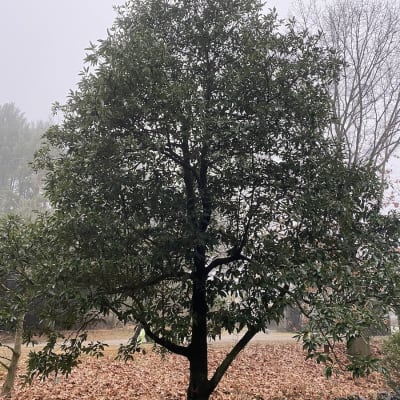
Magnolia virginiana 10-20' x same. Fragrant creamy white 2”3" waxy blossoms in mid-spring sometimes rebloom in mid-summer. Pink fruits adorn the tree in fall. Tolerates clay and air pollution. Z5.
read more
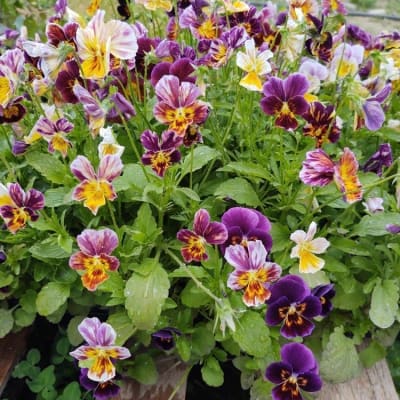
Viola cornuta Open pollinated. Large fragrant flowers in purple, pink, yellow and light blue striped with white and yellow strokes. Dwarf 6" plants.
read more
Viola × wittrockiana Open pollinated. Perennial to Zone 6. Heart-shaped leaves on mounded 4-6" plants covered with 3" mostly bicolor flowers, with darker whiskers and yellow eyes.
read more
Prunus persica Late. White flesh is firm, melting and juicy. All-purpose and freestone. Large vigorous productive tree. Resistant to bacterial spot. Z4/5.
read more
Prunus persica Mid-Late. Firm yellow flesh. Freestone. Bred for non-browning flesh quality and for good storage. Resists bacterial leaf spot. Z5.
read more
Prunus persica Mid. Large fruit with yellow flesh is sweet and juicy. An overall great all-purpose peach for fresh eating, canning or baking. Freestone. Z5.
read more