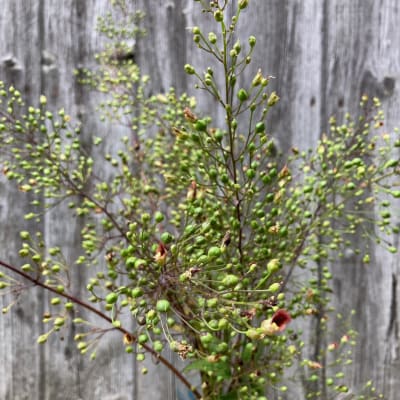
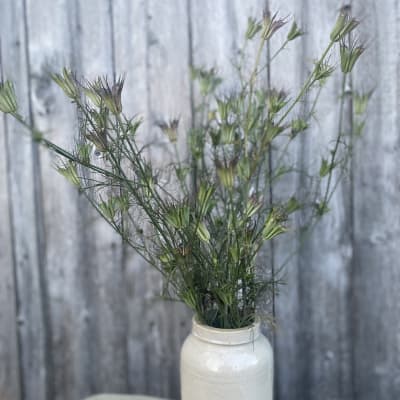
Bupleurum griffithii (90 days) Open pollinated. Everlasting annual. Features round leaves and unusual yellowish flowers air dry perfectly, retaining their color. Great filler for bouquets.
read more
Astrantia 24-28". Clump-forming perennial makes an excellent groundcover when planted en masse. Makes long-lasting cutflowers and is also a great container plant. Z4.
read more
Chasmanthium latifolium Open pollinated. Perennial. Strong 2' arching stems with airy flattened seedheads are beautiful for dried arrangements. Native ornamental grass.
read more
Ageratina altissima Open pollinated. Flat-topped fuzzy clusters of small pure white disk flowers bloom August through October, attracting multiple species of bees, moths and butterflies.
read more
Chelone glabra 2–4' tall. Native wildflower blooms late along with the asters. A final feast for the bumblebees. Prefers moist soil, dappled light. Z4.
read more
Codonopsis pilosula Open pollinated. Perennial to Zone 4. Used in Chinese medicine like ginseng, but considerably easier to grow than true Panax ginseng.
read more
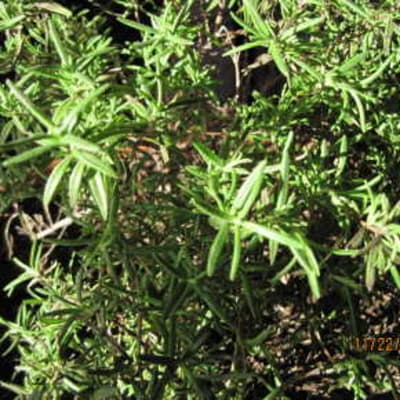
Rosmarinus officinalis Open pollinated. Beloved tender perennial growing to 3-4'. Cannot withstand temperatures below 17°, may be overwintered indoors if kept cool and moist.
read more
Acorus americanus 24-36" tall. Water-loving bog plant with broad sword-like foliage that smells sweetly of citrus and vanilla when crushed. Roots traditionally used as an aromatic bitter for digestive upsets. Z3.
read more
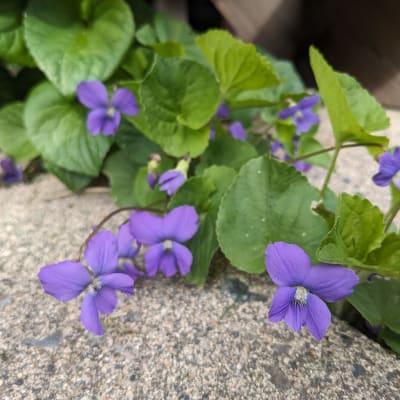
Viola sororia 6-10" tall. North American native with cheery blue-purple flowers and attractive heart-shaped leaves, all edible. Larval host plant for multiple species of butterflies. Z3.
read more
Asarum canadense 6–12" tall. Heart-shaped leaves up to 7" wide spread into a beautiful groundcover. Aromatic roots used medicinally. Needs shade. Z3.
read more
Prunus tomentosa 6-10' x same. Broad dense highly ornamental fruiting shrub blooms early. Excellent hedge and edible landscape plant. Plant two or more for pollination. Z2.
read more
Cephalanthus occidentalis 6-10' x 8'. Loose rounded branchy shrub with masses of ornamental blooms that appear 4–6 weeks in summer. Attractive to pollinators. Z4.
read more
Prunus glandulosa 5-6' x 3-4'. An early spring spectacle of pink double flowers. Branches are nearly covered with the impressive blooms ranging all shades of pink. Z4.
read more
Forsythia 6-8' x 5-7'. One of the earliest cultivars to flower in spring. Outstanding golden-yellow flowers. Upright form. Hardy and dependable. Z3.
read more
Crataegus phaenopyrum 15-20' x 12-20'. Shrubby thorny low-branching dense tree. Used for centuries as a circulatory and cardiovascular tonic herb. Z4.
read more
Calluna vulgaris 1-2' x 1-2'. Colorful groundcover provides a rainbow tie-dye visual over the course of the season. Among our top favorites! Z4.
read more
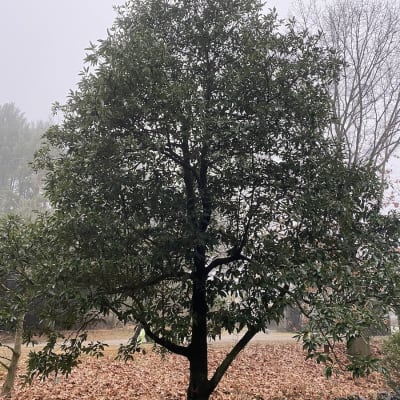
Magnolia virginiana 10-20' x same. Fragrant creamy white 2”3" waxy blossoms in mid-spring sometimes rebloom in mid-summer. Pink fruits adorn the tree in fall. Tolerates clay and air pollution. Z5.
read more
Lindera benzoin 6-12' x 8-12'. Large rounded multi-stemmed fragrant native shrub suited to moist or wet areas. Soft-yellow flowers. Glossy red edible berries. Z5.
read more
Spiraea tomentosa 2-4' x same. Adorable little plant. Rosy pink steeples emerge as terminal spikes about 4–6" tall. Easy to grow. A must for every butterfly garden. Z3.
read more
Rhus aromatica 5-6' x 6-8'. Leaves emit a pleasing aroma when crushed. Phenomenal fall colors. Adaptable and easy to transplant. Useful in erosion control. Native to eastern U.S. Z3.
read more
Clethra alnifolia 4-5' x same. Red buds and beautiful spires of heavenly scented deep-pink flowers appear for 6 weeks in midsummer. Erect oval habit. Z3.
read more
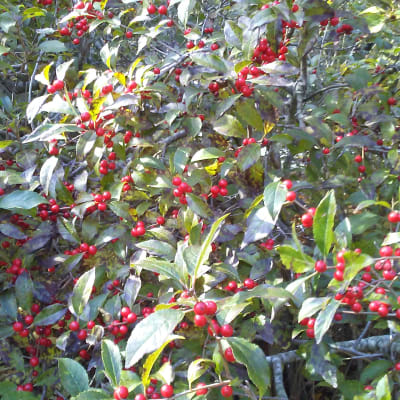
Ilex verticillata Bright-red berries stand out through the winter, providing late-spring forage for birds. A staple of the Maine landscape. Unsexed seedlings, plant several for berries. Z4.
read more
Rheum rhabarbarum Heirloom variety, considered the most important rhubarb variety of the 19th century. Unique seedlings; will show some variation. Z2.
read more
Prunus persica Early-Mid. Peento-type peach is flat, semi-freestone with sugary white flesh. Great for drying. Heavy yields on vigorous tree. Z4.
read more
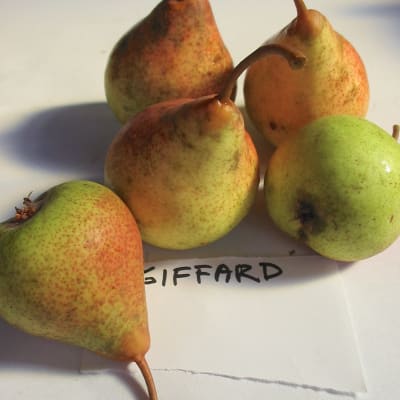
Pyrus communisThis is a twig for grafting. Summer. Medium-sized fruit with buttery aromatic juicy flesh. Grower Mark Fulford says it’s the “most like nectar” of the 40 varieties he’s grown. Keeps for a month. Z4.
read more
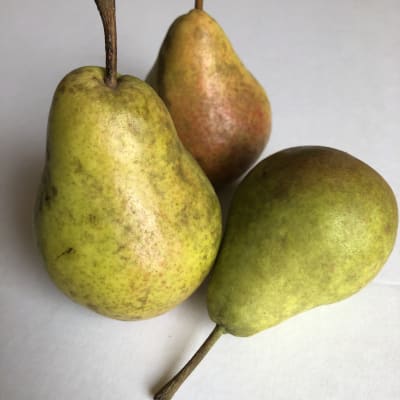
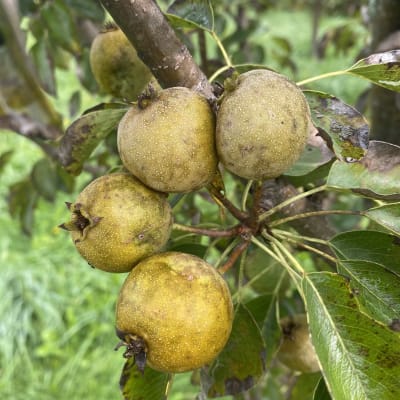
Pyrus communis Late fall. Bittersharp traditional English perry pear. Medium acidity, high tannin, everything you want for blending into perfect perry. Z4.
read more
Pyrus communisThis is a twig for grafting. Late fall. Bittersharp traditional English perry pear. Medium acidity, high tannin, everything you want for blending into perfect perry. Z4.
read more
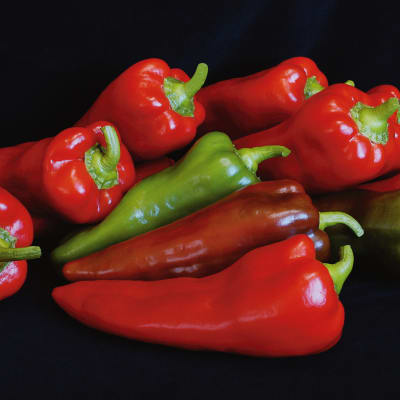
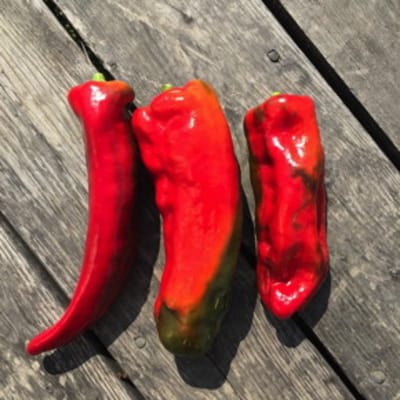
Capsicum annuum (70 days) F-1 hybrid. Deep carmine horn-shaped 2.5x6" fruits. Classic Italian Corno di Toro type. Unusually sweet. Widely adapted and early maturing.
read more
Capsicum annuum (87 days) Open pollinated. Heirloom from Ukraine. 2¼x4½" tapered peppers ripen from lime to orange to red. Crisp, juicy, thick-walled.
read more
Capsicum annuum (75 days) Open pollinated. The 2½–3 x ½" bright scarlet fruits have thin walls and classic serrano heat. Perfect for fresh salsa, pickling and hot sauces
read more
Capsicum annuum (88 days) Open pollinated. This rare Pennsylvania Dutch heirloom packs considerable heat. Rarely eaten raw, the peppers were traditionally used for pickling and pepper vinegar.
read more