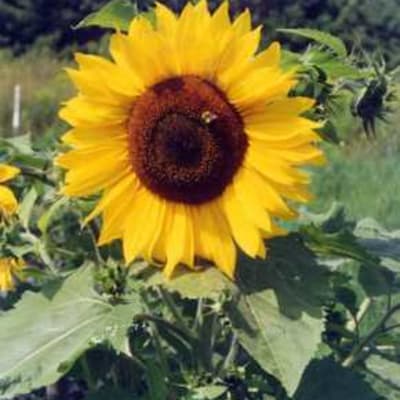
Helianthus annuus (120 days) Open pollinated. A traditional variety of giant single-stem sunflower with large seed heads. One to grow if you want to eat the seeds or plant a maze. 6”12'.
Lathyrus latifolius Open pollinated. The traditional English cottage sweet pea. Shades of rose, white and pink in big clusters. Good cutflowers. Climbs 6'.
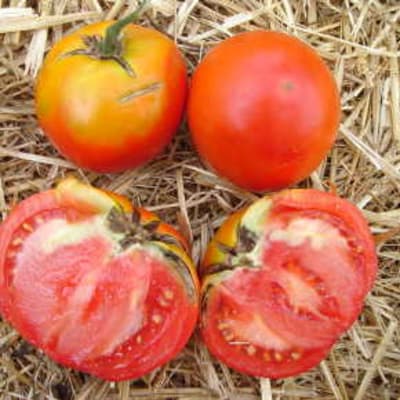
Solanum lycopersicum Deep red skin. (65 days) Open pollinated. Deep red slightly flattened 8-12 oz globes. Always tasty, occasionally sublime. Superb home-garden variety with commercial potential.
Requires less effort than conventional pruners. The handle shape allows fingers to move naturally, reducing the fatigue and blistering brought on by a hard day’s pruning. Left-handed.
The handle shape allows fingers to move naturally, reducing the fatigue and blistering brought on by a hard day’s pruning. Requires less effort than conventional pruners. Right-handed.
Biochar helps your soil sequester more carbon and emit less nitrous oxide. Also provides a dream home for beneficial bacteria and fungi, while preventing essential nutrients from leaching away.
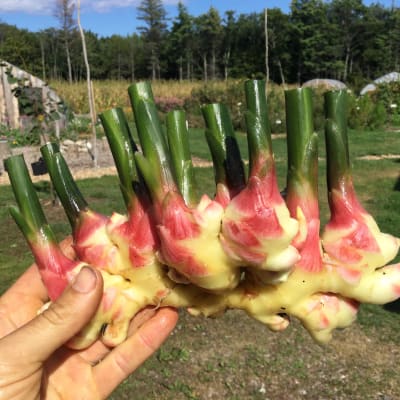
(NPK: 6-2.5-10.4, with 7.7% Calcium, 3.5% Sulfur, and 8.3% Silicon Dioxide) Growing ginger and turmeric in cold climates is a heroic task, but with... read more
NPK: 3-4-6.1 By popular demand! A Fedco Blend formulated to meet the needs of field-grown (outdoor) fruiting Solanaceous crops: tomatoes, peppers, eggplants and tomatillos.
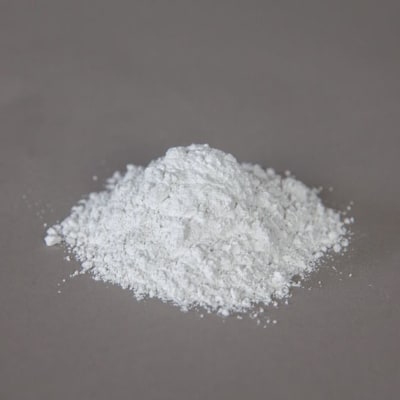
Agricultural Sulfur. Use to make soil pH more acidic. Often helpful for both lowbush and highbush blueberries, and for potatoes. Lowering the pH of gravel paths will help control weed growth.
Silicon is linked to improved yields, especially recommended for cannabis, orchard crops, cucurbits, sweet corn, grains and forage crops. Also helps build resistance to powdery mildew.
Malus spp.This is a twig for grafting. Fall-winter. Very large fruit with fine-grained aromatic flesh. Sweet and crisp. Excellent for sauce. Good keeper. Vigorous tree. Blooms midseason. Z4.
Malus spp. Early fall, ruby red skin, white flesh. Also called Snow. Ruby-red fruit with tender white flesh. Excellent fresh eating, sauce and fresh cider. Keeps until late December. Z3.
Malus spp.This is a twig for grafting. Early fall, ruby red skin, white flesh. Also called Snow. Ruby-red fruit with tender white flesh. Excellent fresh eating, sauce and fresh cider. Keeps until late December. Z3.
Malus spp. Fall-winter, purple-striped red skin, apricot flesh. The most distinctive, complex, unusually flavored apple you'll ever try! Hardy, productive, reliable. A staff favorite. Z3.
Malus spp.This is a twig for grafting. Fall-winter, purple-striped red skin, apricot flesh. The most distinctive, complex, unusually flavored apple you'll ever try! Hardy, productive, reliable. Z3.
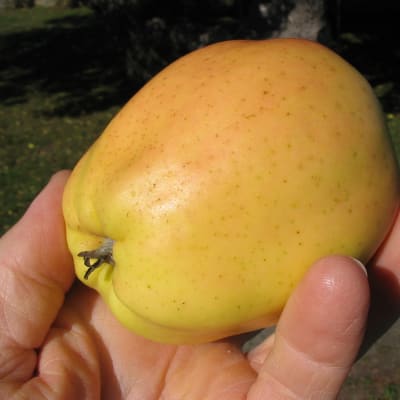
Malus spp.This is a twig for grafting. Fall, yellow skin. Medium-sized tart citrusy crisp dense firm fruit. Excellent for dessert and cooking. All-purpose. Good keeper. Annual bearer. Z4.
Malus spp. Fall-winter, dark maroon skin, yellow flesh. Medium-sized intensely flavored apple is fine, juicy and tender. Keeps till January. Blooms early-midseason. Z4.
Malus spp.This is a twig for grafting. Fall-winter, dark maroon skin, yellow flesh. Medium-sized intensely flavored apple is fine, juicy and tender. Keeps till January. Blooms early-midseason. Z4.
Malus spp. Multi-colored skin. Be the proud keeper of a sister tree to one of many rare varieties planted at the Maine Heritage Orchard. $30 from the sale supports the project.
Malus spp.This is a twig for grafting. Late summer, yellow skin. Extremely hardy large cooking and dessert apple. Large hollow core sometimes fills with delicious juice. Uniquely shaped, beautiful and rare. Z3.
Malus spp. Summer, dark red skin, white flesh. The standard Maine summer cooking apple, especially pies. Medium-sized dark red fruit. Juicy subacid white flesh tinged with red. Z3.
Malus spp.This is a twig for grafting. Summer, dark red skin, white flesh. The standard Maine summer cooking apple, especially pies. Medium-sized dark red fruit. Juicy subacid white flesh tinged with red. Z3.
Malus spp.This is a twig for grafting. Late summer, red skin. Medium-sized spice-flavored apple. One of the best for pies. Very good fresh eating, too. Probably blooms midseason. Z4.
Malus spp.This is a twig for grafting. Late summer, red skin. 20x30' White single flowers on large somewhat weeping tree. Red-blushed roundish 1½-2" fruit good for cooking and cider ripens late summer. Z4.
Malus spp. Late summer, red-striped skin. Medium-sized, highly-flavored fruit. Good balance of acid/sweet. Crisp and juicy fresh-eating. Stores up to seven weeks. Z3.
Malus spp. Fall, dark red skin. Bittersharp cider apple. Dark red crabapples look like enlarged cranberries. Mostly tart and slightly sweet with a bitter finish. Z4.
Malus spp. Fall, dark red skin, red flesh. Bittersharp cider apple. Among the best red-fleshed cultivars. Prized for its size, vigor, disease resistance and deep red juice. Z4.
Malus spp.This is a twig for grafting. Fall, dark red skin, red flesh. Bittersharp cider apple. Among the best red-fleshed varieties. Prized for its size, vigor, disease resistance and deep red juice high in anthocyanins and antioxidants. Z4.
Malus spp.This is a twig for grafting. Fall, red-striped skin. Small astringent very juicy fruit. Bittersharp cider apple. The most bitter apple you’ll ever taste. Not for eating fresh. Z4.
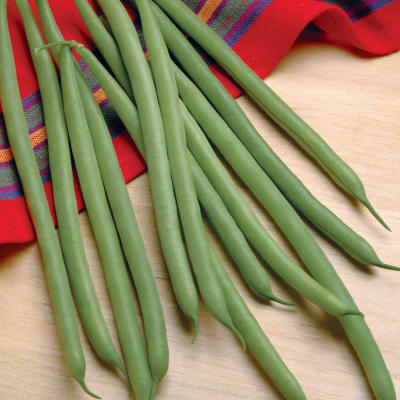
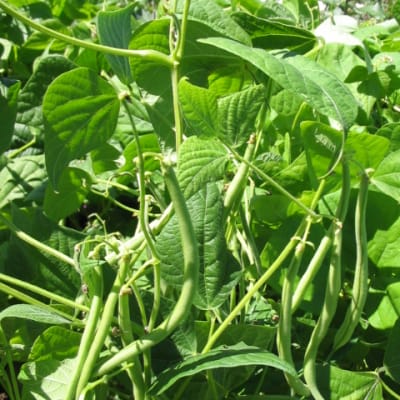
Phaseolus vulgaris (56 days) Open pollinated. High yields of tasty 5–7" straight slender round dark green beans. Holds quality well both on the plant and after harvest.
Phaseolus vulgaris (56 days) Open pollinated. High yields of tasty 5–7" straight slender round dark green beans. Holds quality well both on the plant and after harvest.