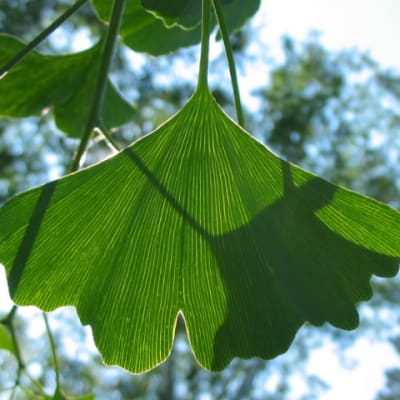
Aristolochia durior 20-30' Native vine. Vigorous climber with large heart-shaped dark green leaves. Inconspicuous but fun little flowers. Sun or shade. Z4.
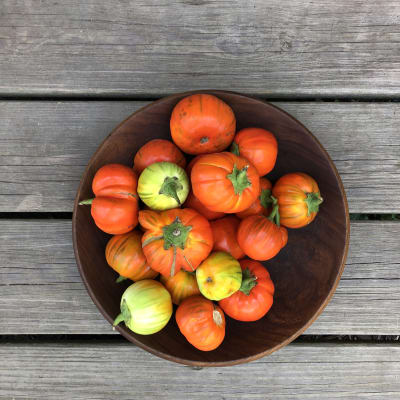
Solanum aethiopicum Orange skin. (65 days) Open pollinated. Sometimes called Ethiopian Eggplant or Garden Egg. Fruits mature to orange but are sweetest when they first turn from green to white. Great in curries and spreads.
Raphanus sativus var. niger Broadleaf annual. Roots penetrate hardpans and loosen soil down to 30" or beyond. Takes up available soil nutrients and prevents losses to leaching or runoff. Suppresses weeds if planted thickly.
For years customers have requested a wildlife forage mix—your wish is our command! This recipe comes from a longtime partner in the seed business;... read more
Polystichum acrostichoides 18–24" tall. Northeastern native fern with semi-evergreen fronds can be cut for Christmas greenery or left standing for winter interest. Z3.
Pennisetum glaucum (120 days) Open pollinated. Ornamental grass with deep-purple foliage and large purple seed spikes. Popular in arrangements. 4-5' tall.
Vitis spp. Early to mid-season. Seedless sweet green table grape, good for fresh eating and juice. Non-slipskin. Worth trialing in Zone 4, but certainly hardy to Z5.
Vitis spp. Mid to late season. The classic seeded grape of New England for 175 years. Dark blue grapes great for fresh eating, juice, jelly and wine. Z5.
Vitis spp. Early season. Loose clusters of golden-green grapes suited for single varietal and blended wines. Fruity, crisp, mineral, hints of apple and pear. Z4/5.
Vitis spp. Early season. Red grape for Burgundy-styles wines, ports and rosés. Fruity and earthy. Good for cooler areas with short growing seasons. Z4.
Hydrangea quercifolia 3-4' × 3-5' Giant panicles mature to deep rose and dry to red in fall. Broad lobed leaves. Low maintenance. Species native to N. America. Z5
Hydrangea quercifolia 4-6' × 3-5' Spreading native hydrangea with large oak-like leaves and spiked whitish-pink double flowers July-Aug. Dried flowers turn pink to bronze. Purple, red and orange fall folliage. Z5.
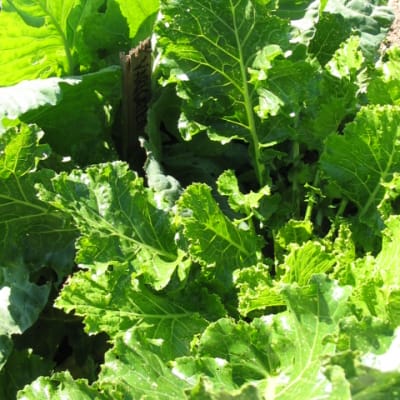
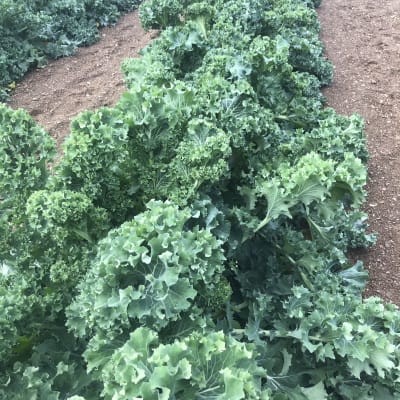
Brassica oleracea (acephala group) (60 days) Open pollinated. Smooth glossy “greasy” greens are delicious steamed. Most delectable early in the season, or late after a nip of frost.
Brassica oleracea (acephala group) (60 days) Open pollinated. Smooth glossy “greasy” greens are delicious steamed. Most delectable early in the season, or late after a nip of frost.
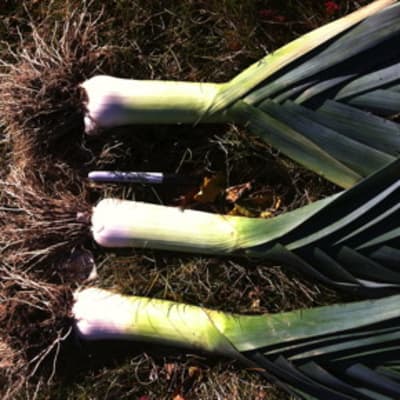
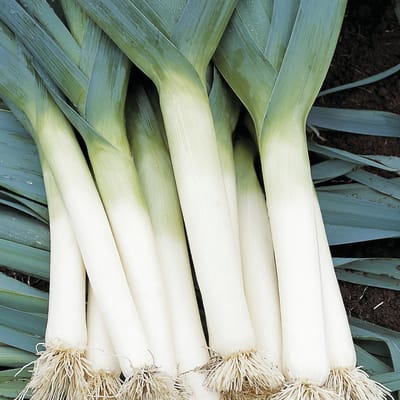
Allium ampeloprasum (porrum group) (100 days) Open pollinated. Highly uniform and reliable OP leek with impressive cold tolerance, gorgeous dark blue-green leaves, and medium-length white shanks.
Syringa vulgaris 7×8' Deep purple buds followed by fragrant shimmering single blooms of deep blue-purple backed by a light silver-lilac. Unusual and very nice. Z3.
Syringa vulgaris 10×10'. Creamy buds and very thick double white blooms. One of the oldest named varieties from one of the most famous of all lilac breeders. Z3.