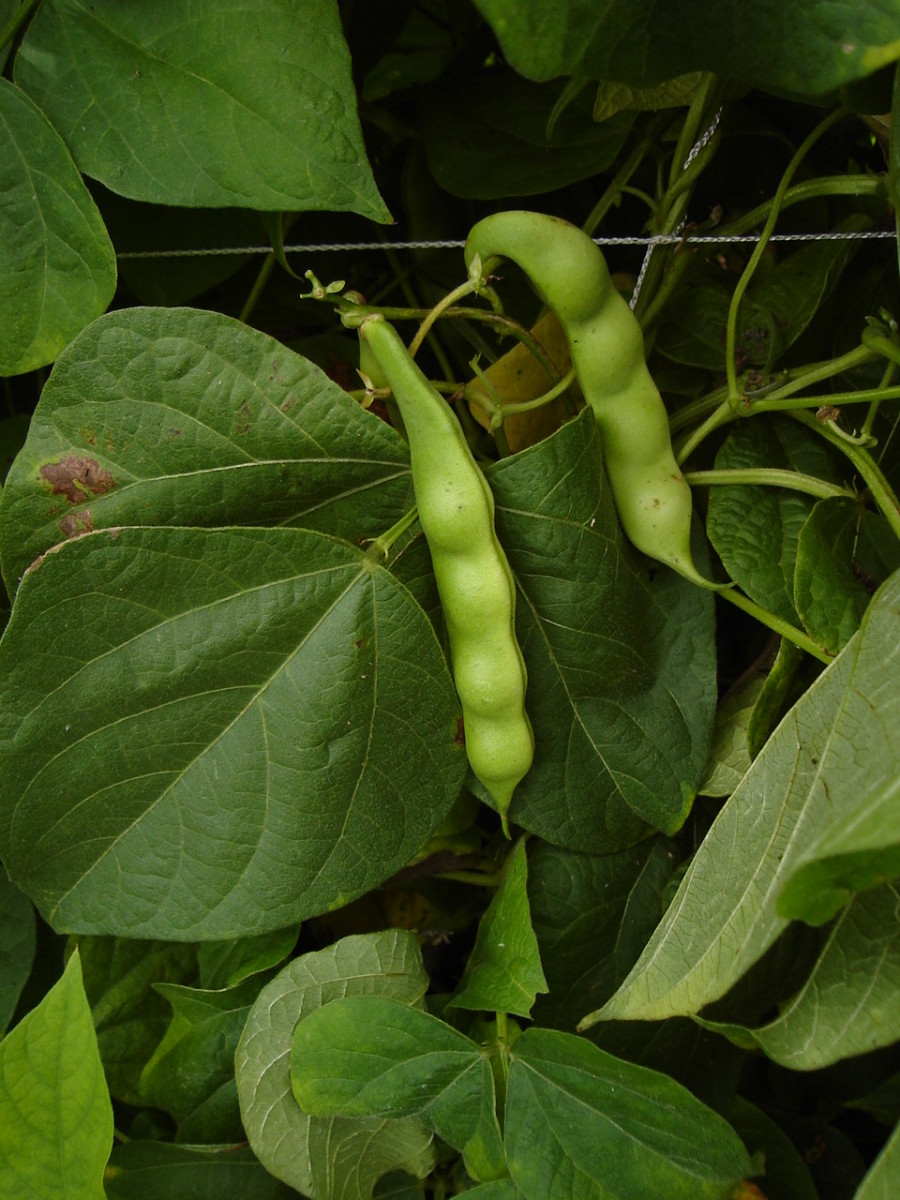


(102 days dry) Open pollinated.
One of the oldest varieties we carry, and one of the very best baking beans. Garden writer Michele Owen, author of Grow the Good Life, says, “I love chili, and True Red Cranberry beans cook up creamy without disintegrating with a richer flavor than any other red bean I’ve ever tasted.” The plump round maroon seeds without streaking look like Thanksgiving cranberries, unlike the speckled Vermont Cranberry.
Masterfully developed and tended by Abenaki people in the Northeast and still grown and maintained by them today. The bean gained so much popularity among European colonizers that it was specifically mentioned in the first-known American cookbook, American Cookery (1796) by Amelia Simmons. Listed in the 1928 Beans of New York, which quoted the early explorer Lescarbot who called it “one of the beans planted before 1612 by the Indians of Maine growing their corn.”
Despite its early fame, True Red had essentially disappeared from seed catalogs by the late 20th century. Inspired by a description of “Red Cranberry” in a 1700s gardening encyclopedia, legendary bean collector John Withee, after an 11-year search, finally obtained seed from Mr. Taylor of Steep Falls, ME. There are numerous strains of cranberry beans, but True Red is prized for its solid (unspeckled) red color, plumpness and productivity. Listed on Slow Food’s Ark of Taste. Soak seed 24 hours to aid germination. About 40 seeds/oz.
A Seed Without a Price:
How do we put a monetary value on seeds, living heirlooms and foundations of life? Each year in our catalog, we pose this question and offer one seed variety with no determined price. We invite you to read a bit about the seed’s story, consider the people who have tended and shared the variety, and decide what you’d like to pay. After we cover our costs for this seed, any profits go into our Seed Farmers Resilience Fund.
By choosing to pay more for this seed than you would for a typical packet of bean seed (which averages about $4.00), you’ll be supporting our Seed Farmers Resilience Fund. We created this fund in 2022 to help our seed farmers who are facing crop and livelihood losses due to climate disruption.
Supplier Transparency:
① Small seed farmers including Fedco staff
