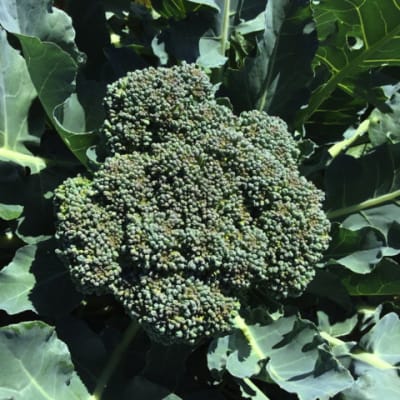
Brassica oleracea (botrytis group) (92 days) Open pollinated. Reliable 6" heads with medium bead. No side shoot production. For fall crops only.
read more
For those who prefer the simplicity, aesthetic, and economy of plain wood for marking rows. Won’t last as long as our Treated Stakes, but will last for at least a full growing season. Made in M
read more
With 9 spray patterns and a clever ergonomic thumb-control valve for precisely dialing in the flow rate, this wand offers great durability, versatility and ease of use.
read more
Helps induce systemic resistance to a broad range of fungal diseases in most edible crops. Preferable to copper fungicide on cannabis, and worth a try to prevent late blight in your potatoes!
read more
Sturdy and ergonomic cart makes hauling twenty gallons of water to remote garden spots or animals a breeze. No pumps, no fuss, just gravity. Equipped with a kink-resistant, crush-resistant hose.
read more
NPK: 2-5-0.2. All the NPK of fish, along with the micronutrients and growth hormones of kelp. Encourages vigorous rooting. Improves plant vigor and stress resistance, increases storage life of produce
read more
Malus spp. This is a twig for grafting. Winter. Medium-large apple. Sweet, juicy, snappy fresh eating. Keeps up to seven months. Tends to bear annually. Scab-resistant. Z3.
read more
Malus spp. This is a twig for grafting. Fall. Modern apple bred for disease resistance, shelf life and flavor. Great fresh eating. Flesh stays white when sliced. Easy-to-grow annual producer. Z4.
read more
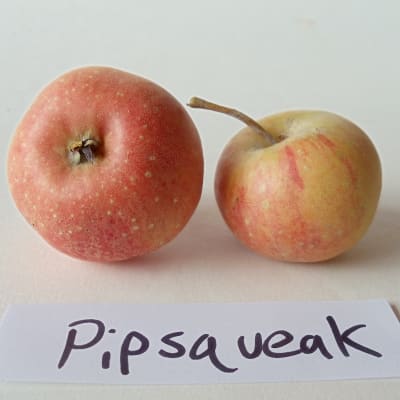
Malus spp. This is a twig for grafting. Fall. An offspring of Frostbite and Chestnut apples. This russeted dessert apple is small, but packs a lot flavor. We eat them raw or baked whole rolled in cinnamon and sugar. Z4.
read more
Malus spp. This is a twig for grafting. Early fall. These small russeted aromatic juicy apples are an incredible treat! Flavor described as sugary, honeyed, nutty, rich, intense, pineapple-like. Scab resistant. Z4.
read more
Malus spp. This is a twig for grafting. Late summer. Extremely hardy large cooking and dessert apple. Large hollow core sometimes fills with delicious juice. Uniquely shaped, beautiful and rare. Z3.
read more
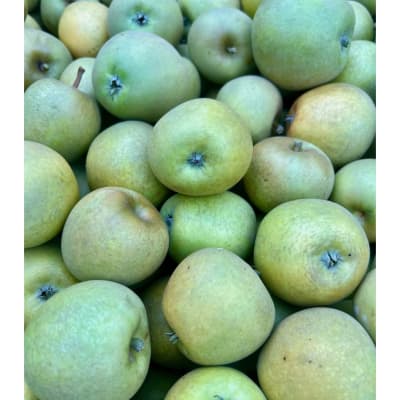
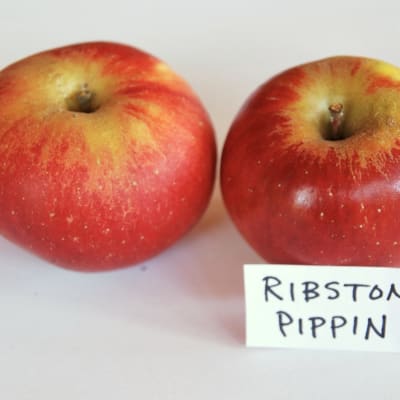
Malus spp. This is a twig for grafting. Fall. Medium-small russet fruit with a longtime reputation as one of the very best dessert apples. Superb fresh eating. Keeps fairly well, still crunchy in January. Z3.
read more
Malus spp. This is a twig for grafting. Summer. Modern PRI-bred variety. Mildly tart, spicy and rich flavored. Great fresh eating quality. Disease-resistant, scab immune. Blooms mid-late season. Z4.
read more
Malus spp. This is a twig for grafting. Fall. Medium-large red-fleshed apple. Use for sauce, pies. Very sharp and bitter in cider. Two-toned flowers, bronze-red foliage. Z3.
read more
Malus spp. This is a twig for grafting. Winter. Ukranian dessert apple. Tender crisp fine-grained flesh makes excellent fresh eating. Like a Granny Smith for the North! Stores well. Z4.
read more
Malus spp. This is a twig for grafting. Fall-winter. Medium-large, sharp, crisp, rich, aromatic dessert apple. Also good in cider. Great fresh eating till January. Blooms midseason. Z4.
read more
Malus spp. Fall. Bittersharp cider apple high in tannin and acidity. Makes a full-bodied vintage cider with nice blend of acid, tannins and sugar. Decent fresh-eating. Z4.
read more
Phaseolus vulgaris (70 days) Open pollinated. Beautiful 6-7" green pods with purple streaking. Tan seed with dark stripes. Also known as Preacher Bean.
read more
Brassica oleracea (capitata group) (110 days) F-1 hybrid. Flat-topped 5-7 lb green heads. Tender, sweet, juicy; ideal for rolls, wraps and krauts. Not for storage. Holds well in the field.
read more
Daucus carota (58 days) F-1 hybrid. Uniform 6" smooth orange Nantes-type carrot. Harvest baby or full-size. Excellent flavor, both fresh and in short storage. Strong tops.
read more
Knit gloves coated with durable pebbled, black latex. Very flexible; partially uncoated back for better ventilation. Excellent in the cold with wool or silk liners. Double-knit cuff.
read more
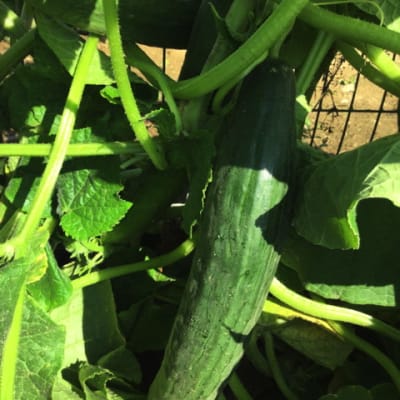
Cucumis sativus (60 days) Open pollinated. Heirloom performs in tunnels and outdoors. 10-14" slim Euro-type cuke with mild flavor; not bitter, few seeds. Trellis for straight fruits.
read more
Open pollinated. Two packets: one mixed lettuces, one mixed greens. Plant lettuces first, then greens for fabulous salad mixes. Cut then water, and they grow again.
read more
Cichorium endivia (85 days) Open pollinated. Also known as Escarole. Smooth broad green outer leaves with creamy yellow closely bunched center leaves. Especially good as a fall crop; tolerates frost under row cover.
read more
Rumex acetosa (60 days) Open pollinated. Thick sword-shaped lemony-flavored leaves picked when young and tender. A special treat in early spring. Perennial hardy to Z3.
read more
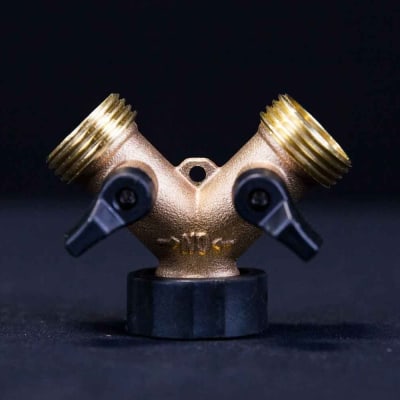
Split your faucet at your hose outlet so that you can use the spigot with your drip irrigation in place. Brass fittings for long life, with plastic coating on knobs and collar for ease and comfort.
read more
Treated with non-toxic white paint, these are the official stakes in Fedco trials. At the end of the summer, names stand out clearly and the stakes show little deterioration. Made in Maine.
read more
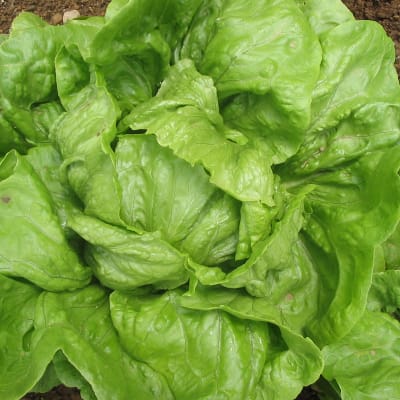
Lactuca sativa (72 days) Open pollinated. Slow-growing compact dark green Batavian with crisp outer leaves surrounding a round tightly-packed heart. Excellent heat tolerance.
read more
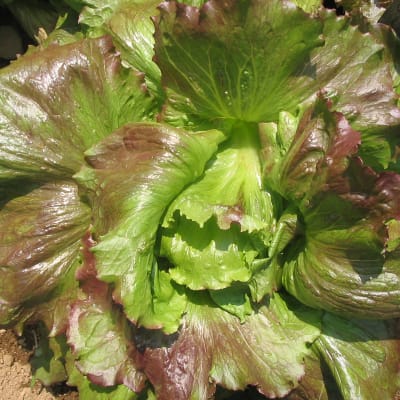
Lactuca sativa (63 days) Open pollinated. Compact medium-sized heads with burgundy-red exterior. Interior shades to green. Resists becoming mushy in heat.
read more
Allium cepa (107 days) F-1 hybrid. 16-18 oz glossy deep red globes similar to Redwing, but it sizes more consistently regardless of dry or wet conditions.
read more
Echinops ritro 3–4' tall. Luminous steel-blue spiky spheres on stiff stems with silvery green leaves. Excellent for fresh or dried arrangements. Blooms mid-to-late summer. Z3.
read more
Saponaria officinalis Open pollinated. Not a dye plant; saponin-rich roots and leaves used to gently wash wool. Sweetly clove-scented pink perennial attracts pollinators. 3' plant.
read more