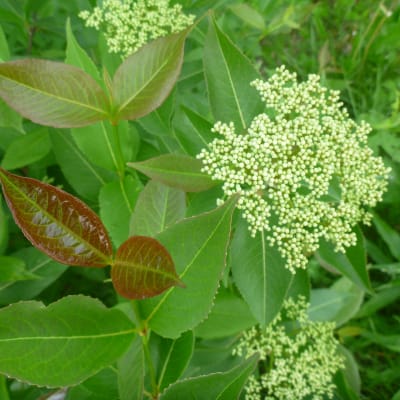
Viburnum cassinoides 5-6' × same. Dense suckering native shrub. White flowers from spring to early summer. Edible black fruit. Plant more than one for fruit. Z3.
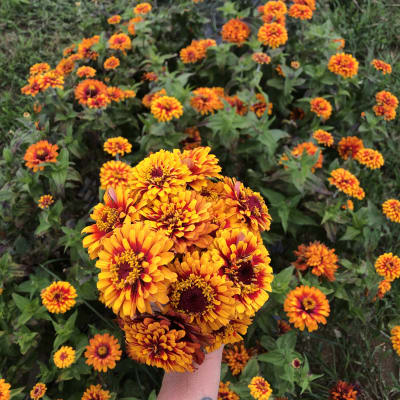
Zinnia elegans (95 days) Open pollinated. Crimson-centered flowers with petal edges that appear dipped in gold. Reliable, long vase life, easy to grow. An excellent replacement for Zowie!
NPK: 3.4-2.2-3.5. An excellent all-purpose fertilizer for those who prefer to avoid animal products. Great for flower bulbs because it won’t attract critters.
Malus spp.This is a twig for grafting. Fall, blushed green skin. 18th c. Cornish heirloom. High-quality dessert and cooking apple. Known for its aromatic flavor and perfumey clove-like scent. Z4.
Brassica juncea (40 days) Open pollinated. Bold purple-blushed delicately serrated mizuna-type leaves with sweet and spicy flavor. For spring and fall plantings. Bolts in heat.
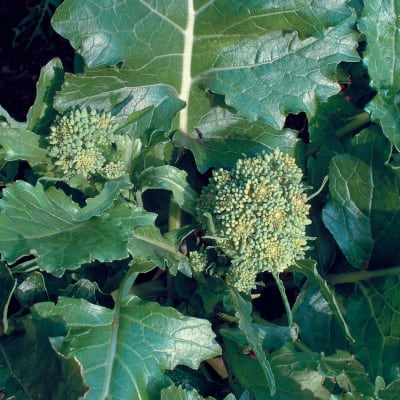
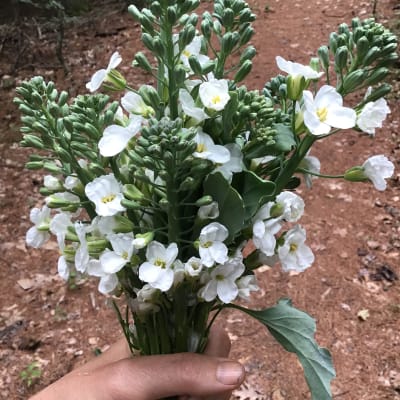
Brassica rapa (ruvo group) (40 days) Open pollinated. A non-heading version of broccoli with a more pungent flavor. Harvest young stems, leaves and small flower buds to steam, stir-fry or add to salads.
Cornus alternifolia 20' x 30-35'. Small tree or large multi-stemmed shrub with tiers of horizontal branches and fragrant white 2-3" flower clusters. Z3.
Cichorium intybus Perennial broadleaf, up to 18". Very high digestibility. Protein levels up to 50% higher than alfalfa. Stands may live 5 years or longer, but it’s also valuable for pasture or green chop.
Syringa vulgaris Deep bluish-purple lilac with the biggest florets around: each single flower can reach up to 1½" wide! “So large they hang like clusters of immense grapes.” Z3.
Silybum marianum Open pollinated. Named for the bold white splashes on its glossy leaves, said to be from Mary’s milk. Fast-growing 3-5' annual with leaves up to 8x24".
Matricaria recutita Open pollinated. One of the most widely known herbs, powerful yet gentle, long used to promote relaxation. Perhaps a tad less sweet than others.
Cephalanthus occidentalis 6-10' x 8'. Loose rounded branchy shrub with masses of ornamental blooms that appear 4–6 weeks in summer. Attractive to pollinators. Z4.
Rosa alba 5-6' x same. Classic alba variety with clusters of white fragrant highly double 2–3" blossoms, sometimes with more than 200 petals per flower! Z4.
A light-textured potting soil with extra perlite, screened to ½". Recommended for the smallest flower and herb seeds. Transplant to a more nutrient-rich blend to grow out. Made in Maine.
Solanum lycopersicum Red skin. (70 days) F-1 hybrid. Plants flower continuously and set fruit throughout the season for abundant harvests of delicious 15–22g shiny red grape tomatoes. Great in the field and a good choice for containers.
Verbena stricta 12-48" tall. North American native. Attractive to pollinators, most notably the Buckeye butterfly. Birds will devour the seeds! Blooms June through August. Z3.
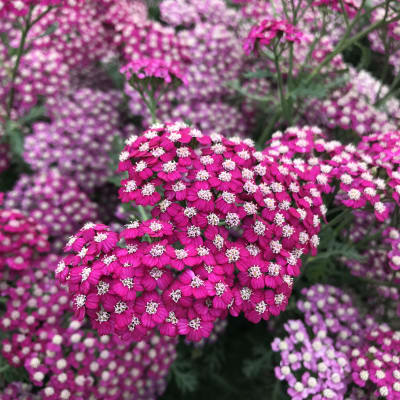
Achillea millefolium 24-28" tall. Charming bright magenta-violet flower clusters. Sturdy and upright, sports its vibrant color for a long bloom season, even in the heat.
Brassica oleracea (45-60 days) F-1 hybrid. Also called Chinese Broccoli. Grown for succulent stems, leaves and florets. Uses and flavor similar to broccoli. Tolerant to heat and cold.
Brassica oleracea (botrytis group) (62 days) F-1 hybrid. This super early deep purple cauliflower with tight curds will start forming heads before than any other purple around.
Trifolium incarnatum Tender biennial legume. Up to 18". Rapid growth in cool weather makes this vigorous clover great for cover cropping and green manure. Crimson blooms attract bees and make good cutflowers.
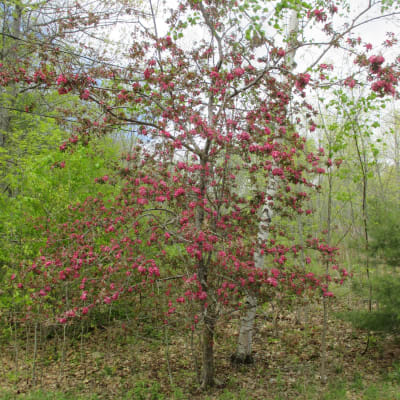
Malus spp. Maroon-blushed green skin. Ornamental flowering crabapple with beautiful rose-like blossoms and bitter green fruit. Very high in tannin. Great for cidermakers! Blooms late. Z4.
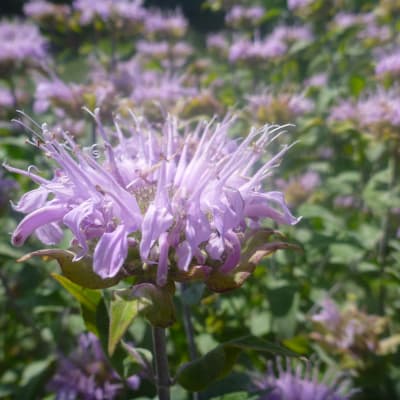
Monarda fistulosa 3-4' tall. Our native wildflower species with aromatic lavender blossoms. This is the variety most commonly used for medicinal purposes. Z3.
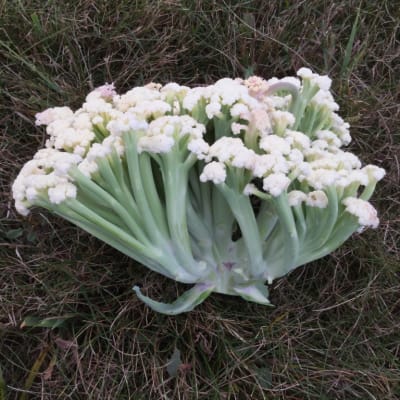
Brassica oleracea (botrytis group) (60 days) F-1 hybrid. Flowering stick type cauli with fine-textured curd. Florets extend into a single-serve branch to be harvested individually. Delicate Japanese beauty.
Pycnanthemum virginianum 24-36" tall. Makes a tasty minty tea traditionally used to settle indigestion. Spreads readily. Densely flowered, attractive to pollinators. Native. Z4.
Malus spp. Late summer, deep red skin. These culinary crabapples are a tasty snack fresh off the tree, better after storage. Especially good for brandying. Keeps well. Z2/3.
Malus spp. Multi-colored skin. Be the proud keeper of a sister tree to one of many rare varieties planted at the Maine Heritage Orchard. $30 from the sale supports the project.
Malus spp.This is a twig for grafting. Fall, dark red skin, red flesh. Bittersharp cider apple. Among the best red-fleshed varieties. Prized for its size, vigor, disease resistance and deep red juice high in anthocyanins and antioxidants. Z4.
Malus spp. Fall, dark red skin, red flesh. Bittersharp cider apple. Among the best red-fleshed cultivars. Prized for its size, vigor, disease resistance and deep red juice. Z4.