Malus spp. This is a twig for grafting. Summer. One of the best-flavored early apples for northern growers. Crisp, tender, juicy subacid. Glossy red round fruit. Z3.
read more
Malus spp. This is a twig for grafting. Fall-early winter. One of the first American varieties. Unforgettably peculiar sweet flavor. Very low acidity. Truly all-purpose. Z4.
read more
Malus spp. This is a twig for grafting. Summer. Size and shape of an egg. Crisp, crunchy with spicy sweet flavor. Exceptional fresh-eating. Precocious, annually productive. Z2/3.
read more
Malus spp. This is a twig for grafting. Late summer. 20x30' White single flowers on large somewhat weeping tree. Red-blushed roundish 1½-2" fruit good for cooking and cider ripens late summer. Z4.
read more
Malus spp. This is a twig for grafting. Fall. Medium-sized. Tender juicy sweet tart white flesh. Famous all-purpose variety. Especially good pies. Small-med size tree. Z3.
read more
Malus spp. This is a twig for grafting. Fall. Small but flavorful. Crisp, juicy, tart, tangy, spicy. Good in hard cider. Keeps until January. Bears young, heavily, annually. Z4.
read more
Malus spp. This is a twig for grafting. Summer. Medium-sized fruit with almost solid beet red flesh: a real eye popper! Very good and extremely tart. Good addition to cider and sauce. Z3.
read more
Malus spp. This is a twig for grafting. Winter. One of the oldest American apples. Reddish juice is great for cider. Outstanding pies. Excellent keeper. Z4.
read more
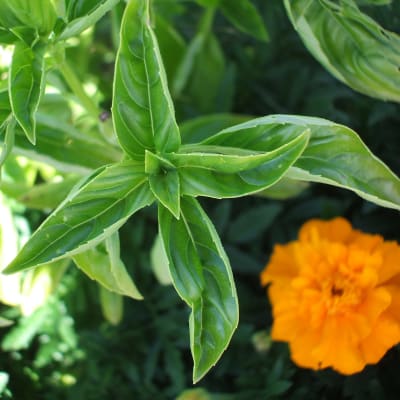
Ocimum basilicum Open pollinated. Vigorous mulberry-tinted basil with anise fragrance makes a highly decorative tall bushy plant. Slow to bolt.
read more
Ocimum basilicum (70 days) Open pollinated. Impressive yields from shapely plants well suited to pots or the field. Classic sweet Genovese flavor and a marvelously potent aroma. Resists powdery mildew.
read more
Ocimum basilicum (60 days) Open pollinated. Purple stems and flowers of standard Thai, but displayed upon a strong bushy umbrella form with wide and beautifully ample flowers.
read more
Ocimum basilicum (70 days) Open pollinated. The choice of many connoisseurs for making pesto. Leaves are slightly smaller and finer than Sweet Basil with more aroma and potency.
read more
Ocimum basilicum (70 days) Open pollinated. The choice of many connoisseurs for making pesto. Leaves are slightly smaller and finer than Sweet Basil with more aroma and potency.
read more
Ocimum basilicum Open pollinated. Lettuce-leaf type has very large ruffled leaves suitable for rolling or stuffing. Flavor similar to sweet basil.
read more
Ocimum basilicum minimum (70 days) Open pollinated. 8" and maintains a compact mound of light green leaves and white flowers. Its leaves are small, thin and strongly scented.
read more
Ocimum basilicum (70 days) Open pollinated. The heaviest-yielding variety, recommended for drying, all-around great eating, and large-scale pesto production.
read more
Ocimum basilicum (70 days) Open pollinated. The heaviest-yielding variety, recommended for drying, all-around great eating, and large-scale pesto production.
read more
Ocimum basilicum (60 days) Open pollinated. An attractive 12-18" fine-leaved plant with purple stems, seed heads and flowers. Lends its distinctly strong licorice-anise basil flavor to Thai food.
read more
Ocimum basilicum (55 days) Open pollinated. Bright, lemony and fragrant. Upright, mounded plants doesn’t get leggy. Delightful in salads, teas, desserts, marinades, lemonade and more.
read more
Cicer arietinum (105 days dry) Open pollinated. A garbanzo developed to be tolerant of cold soils and light frosts. 2' plants with ornamental flowers bear abundant two-seeded pods with black medium-sized beans.
read more
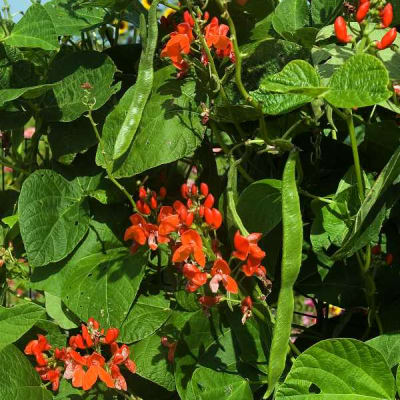
Phaseolus coccineus (70 days snap, 95 days shell) Open pollinated. 10-12' tall. Mottled black and purple seeds. Ornamental brilliant scarlet blossoms. Snap or shell bean.
read more
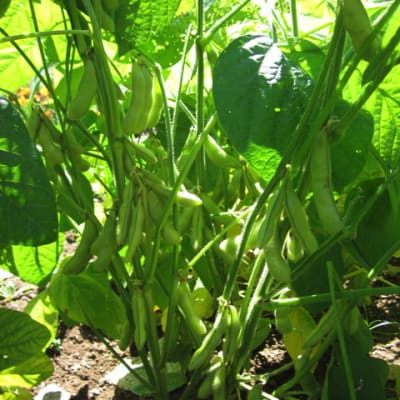
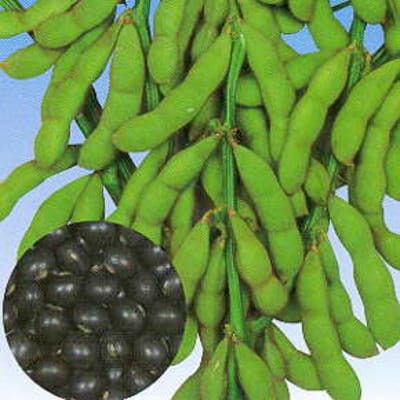
Glycine max (83 days) Open pollinated. Large beans with exceptional soybean flavor when eaten fresh. 2' compact plants are great for small gardens.
read more
Glycine max (91 days) Open pollinated. Vigorous thigh-high vines make early concentrated sets of light green pods, averaging two beans per pod.
read more
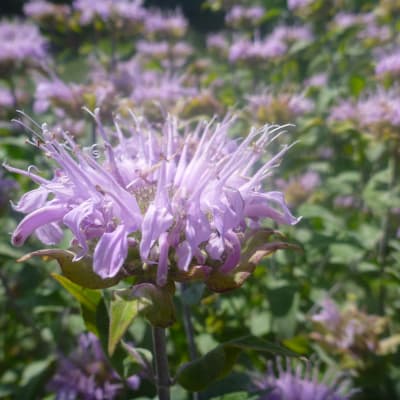
Monarda fistulosa 3-4' tall. Our native wildflower species with aromatic lavender blossoms. This is the variety most commonly used for medicinal purposes. Z3.
read more
A liquid combination of yeasts, actinomycetes, and bacteria. Promotes plant health and growth, and improves nutrient absorption and soil fertility. Our cannabis-growing friends can't do without it.
read more
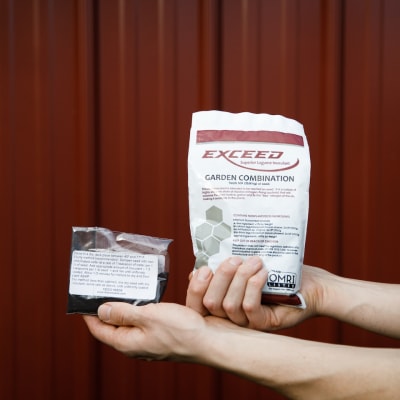
Inoculates peas, sweet peas, cowpeas, dry beans, peanuts, lentils, limas, vetch, and Sunn Hemp. We recommend using fresh inoculant each time you plant a legume.
read more
This guide forgoes a full taxonomy of each species in favor of highlighting a few unique traits that single out each one. Features plenty of color photos of each detail to help you ID your trees.
read more
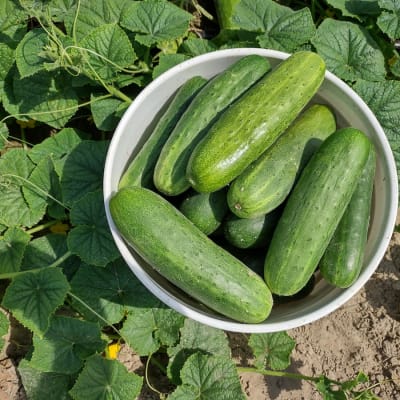
Cucumis sativus (55 days) Open pollinated. Straight medium-green 7–8" cukes are spectacular: crunchy and aromatic with stem ends never getting bitter.
read more
Cucumis sativus (63 days) Open pollinated. Maine heirloom. 3-4" short plump oval cream-white fruit with black spines. Excellent fresh eating.
read more
Melothria scabra (65 days) Open pollinated. Vigorous but delicate climbing vine. Profuse bearing of 1" oblong green and white fruits. Eat fresh or pickled.
read more
Cichorium intybus (60 days) Open pollinated. Savory Italian chicory with deeply toothed red-veined leaves. Best in cool weather, can become bitter in heat.
read more
Cichorium endivia (42 days) Open pollinated. French heirloom. Large frizzy sweet endive with very fine ribs. For late spring and early summer harvests.
read more
Cichorium intybus (80 days) Open pollinated. White-veined leaves turn from green to variegated burgundy red in cool weather. Romaine-shaped heads. Best for fall crops.
read more
Portulaca oleracea var. sativa (50 days) Open pollinated. Golden-green leaves with succulent texture and mildly acerbic flavor. Ideal addition to mesclun.
read more