Silybum marianum Open pollinated. Named for the bold white splashes on its glossy leaves, said to be from Mary’s milk. Fast-growing 3-5' annual with leaves up to 8x24".
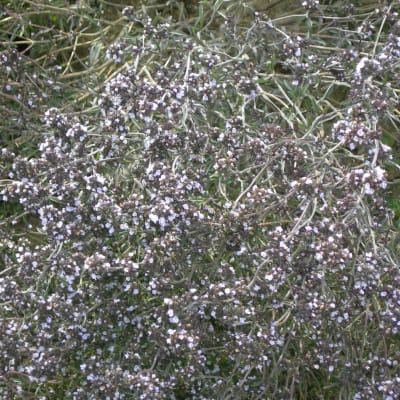
Leonurus cardiaca Open pollinated. Perennial 2–4' plant with dull green leaves and tiny white to purple blooms. Bees love the flowering tops, which are used for tea or herbal tincture.
Spilanthes oleracea Open pollinated. Used as a ground cover in the south, it adds unusual beauty with its low growth habit and its cute yellow flowers with rayless red-orange centers.
Spilanthes oleracea Open pollinated. Used as a ground cover in the south, it adds unusual beauty with its low growth habit and its cute yellow flowers with rayless red-orange centers.
Pycnanthemum virginianum 24-36" tall. Makes a tasty minty tea traditionally used to settle indigestion. Spreads readily. Densely flowered, attractive to pollinators. Native. Z4.
Gaylussacia baccata 1-3' x 2-4'. Cousin of the blueberry. Less acidic, more mildly sweet flavor. Flowers in June, fruits in August. Full sun to part shade but fruits best in sun. Native to eastern U.S. and Canada. Z3/4.
Rubus odoratus 3-6' x 6-12' Relative of the cultivated raspberry, with fragrant flowers and nutritious fruit. Thornless, long-blooming, attractive to pollinators. Excellent addition to wildlife hedges. Z4.
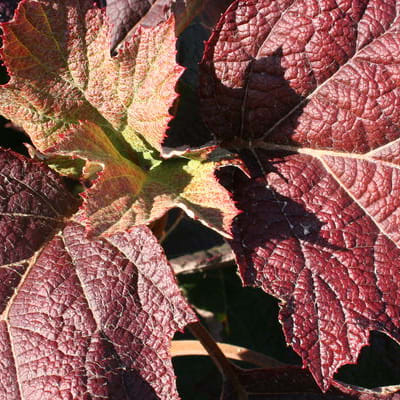
Hydrangea quercifolia 4-6' x 6-8' Spreading multi-stemmed shrub with oak-like leaves and spiked white flowers. Dried flowers turn pink to bronze. Cultivar selected for strong flower stems that won't flop over. Z5.
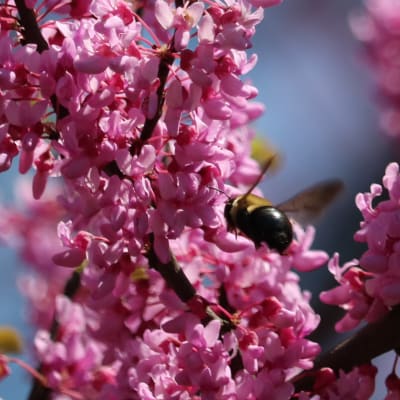
Cercis canadensis 25-30' × same. Small vase-shaped ornamental tree. Clusters of brilliant edible purplish-pink pea-like flowers fill the entire tree in spring. Z4/5.
Diospyros virginiana 35-60' x 20-35'. Medium-sized native tree produces edible orange fruit used in pies, jams and jelly. May not always ripen north of Boston. Plant two or more for fruit. Z4/5.
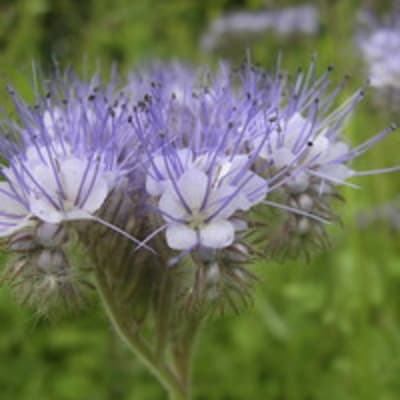
Phacelia tanacetifolia Open pollinated. Small frizzy lavender-blue flowers. Long bloom period. Excellent for pollinators and beneficial insects. Bushy 18-30" plants.
Phacelia tanacetifolia Open pollinated. The small frizzy curling lavender-blue sprays provide high-quality pollen and nectar. Can be used to increase beneficial insect diversity and populations while suppressing weeds. Great for honey.
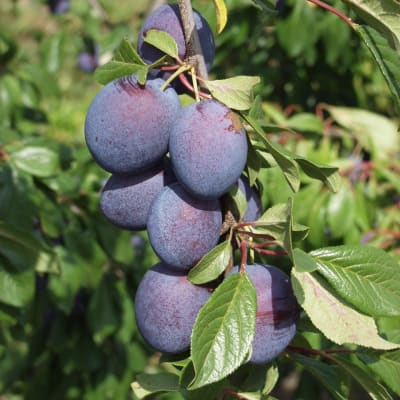
Prunus domestica Late summer, dark purple skin, greenish yellow flesh. Often considered the sweetest European plum. Use fresh, dried, frozen, canned and in preserves. Abundant annual crops. Z3.
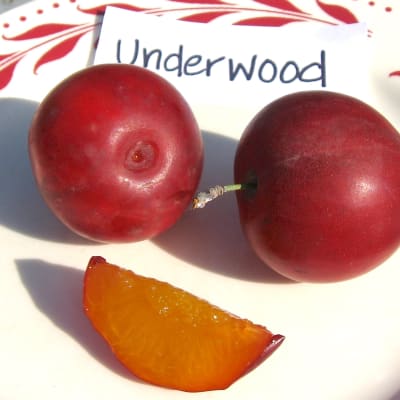
Prunus Early summer, reddish purple skin, yellow flesh. One of the first European plums to fruit in the season, and one of the hardiest varieties out there. Z3.
Prunus Late summer, dark bluish purple skin, greenish amber flesh. Famous in Bosnia and Herzegovina for making sweet and creamy preserves, and fermenting into brandy. Z4.
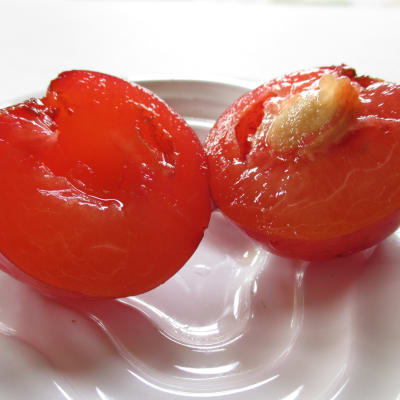
Prunus spp. Midsummer, red-orange skin, dark pinkish red flesh. Delicious medium-sized fruit with soft sweet pinkish flesh. Glossy ornamental red foliage all summer long. May be self-pollinating. Z4.
Prunus spp.This is a twig for grafting. Late summer, purple skin, purplish red flesh. Japanese type with purplish-red flesh. Soft, juicy, very sweet. Absolutely delish! Z4.
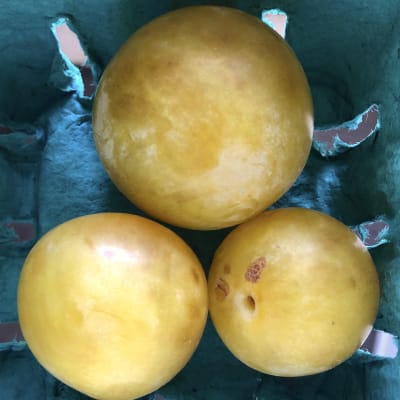
Prunus spp. Late summer, yellow skin, yellow flesh. Roundish tender thin-skinned yellow plum sometimes blushed with a little pink. Tender yellow juicy flesh. Freestone. Z3/4.
Prunus spp.This is a twig for grafting. Late summer, yellow skin, yellow flesh. Roundish tender thin-skinned yellow plum sometimes blushed with a little pink. Tender yellow juicy flesh. Freestone. Z3/4.
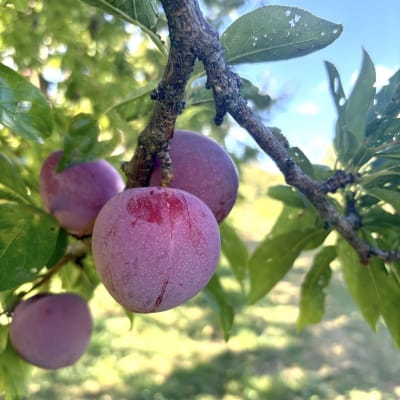
Prunus spp. Midsummer, dull red skin, golden yellow flesh. Medium-to-large 2" dull red fruit. Firm sweet juicy golden-yellow semi-freestone flesh, very good for eating and cooking. Z3.
Prunus nigra Late summer, yellow flesh. Yellow flesh is sweet and juicy, good for eating right off the tree, in jams, chutney, tarts or infused in vodka! Tree is upright, spreading and a prolific annual bearer. Very cold hardy. Z3.
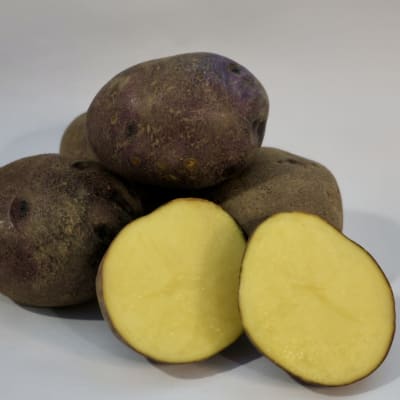
Solanum tuberosum Mid-season, blue skin, blue flesh. Maintains its color after boiling, roasting or frying. This spud is packed with anthocyanins, powerful antioxidants that can lower risks of heart and neurological diseases.
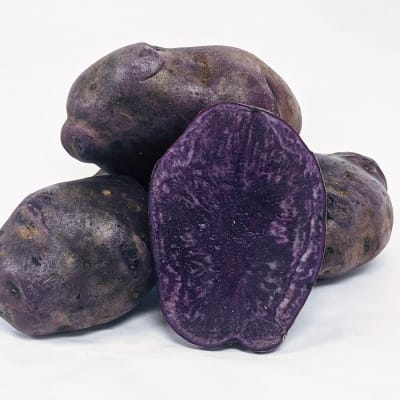
Solanum tuberosum Mid to late season, purple skin, purple flesh. Dig them as sweet little fingerlings early or hold out for larger potatoes later in the season. Distinctively earthy flavor and pleasantly waxy texture.
Solanum tuberosum Mid to late season, purple skin, purple flesh. Dig them as sweet little fingerlings early or hold out for larger potatoes later in the season. Distinctively earthy flavor and pleasantly waxy texture.
Solanum tuberosum Mid-season, red skin, white flesh. Excellent dormancy retention in winter storage. Order your extra crates now to accommodate staggering yields to come!
Solanum tuberosum Mid-season, red skin, white flesh. Super-sweet moist flesh. Excellent dormancy retention in winter storage. Order your extra crates now to accommodate staggering yields to come!
Solanum tuberosum Late season, buff skin, white flesh. Released in 1932 by the USDA and Maine, it is the standard to which all storage potatoes are compared. Very well suited to a Maine growing season.
Satureja hortensis (70 days) Open pollinated. Annual grows to 1½' with narrow dark green leaves and lavender flowers. Cut often during growing season, before blossoms appear.
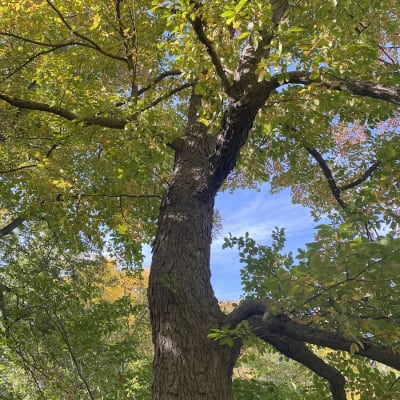
Catalpa speciosa 40-60'. Dense foliage of heart-shaped leaves provides excellent shade. Incredibly fragrant jasmine-scented white blossoms. Grows rapidly. Attracts pollinators. Native to central U.S. Z4.
Nyssa sylvatica 40-85' x 20-30'. Medium-sized deciduous tree produces fruits that feed migrating birds. Vibrant fall colors. Can live up to 650 years! Z4.
Helianthus annuus (90-100 days) Open pollinated. Rare indigenous heirloom used as a natural dye source for coloring baskets purplish charcoal. Also edible. 8' stalks.
Ipomoea batatas Golden skin, orange flesh. (100-110 days) A rare bush variety, good for smaller spaces like raised beds and containers. Firm flesh holds up to roasting and frying. Lovely foliage. Stores well.
Verbena stricta 12-48" tall. North American native. Attractive to pollinators, most notably the Buckeye butterfly. Birds will devour the seeds! Blooms June through August. Z3.
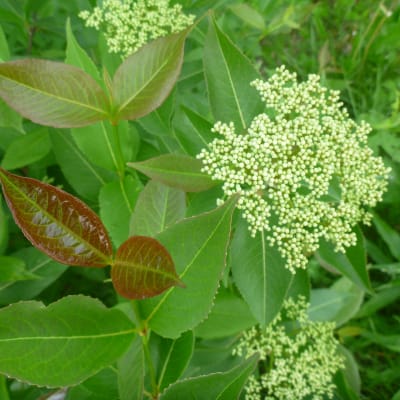
Viburnum cassinoides 5-6' × same. Dense suckering native shrub. White flowers from spring to early summer. Edible black fruit. Plant more than one for fruit. Z3.
Salix purpurea ‘Nana’ 3-5' x 3-6'. Medium-sized spreading shrub with small narrow blue leaves and delicate thin long stems. Excellent bank or hedge plant. Attractive ornamental. Z3.
Zinnia haageana Open pollinated. Small Mexican-style haageana zinnias in a mix of pink, orange, carmine and burgundy-red blooms tipped yellow to carmine.