Malus spp. Fall. High-quality bittersweet variety recommended for blending with other fall varieties. Soft astringent tannins. Narrow upright tree form. Becoming popular commercially in New England. Z4.
read more
Malus spp. Fall. Bittersharp cider apple high in tannin and acidity. Makes a full-bodied vintage cider with nice blend of acid, tannins and sugar. Decent fresh-eating. Z4.
read more
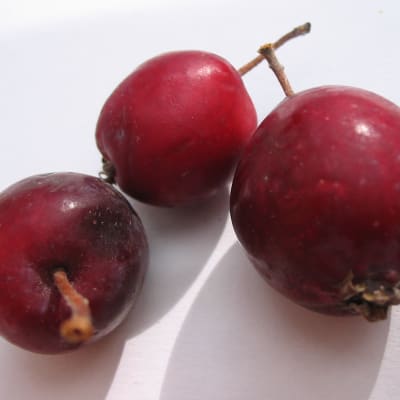
Malus spp. Fall. Bittersharp cider apple. Among the best red-fleshed cultivars. Prized for its size, vigor, disease resistance and deep red juice. Z4.
read more
Malus spp. Late fall. Full bittersweet cider apple. Low acidity and a nice astringency. If you’ve been looking for late-ripening bittersweets, try this one. Z4.
read more
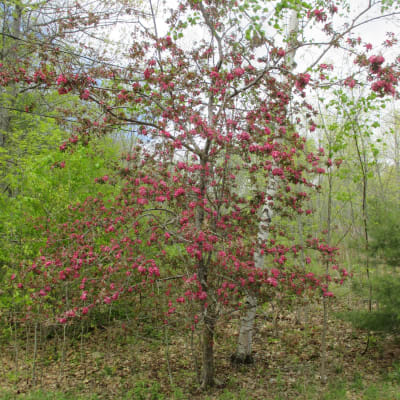
Malus spp. Ornamental flowering crabapple with beautiful rose-like blossoms and bitter green fruit. Very high in tannin. Great for cidermakers! Blooms late. Z4.
read more
Malus spp. Classic culinary crab. Still found in old Maine dooryards. Apricot-pink buds, large fragrant pure white single flowers. Great for canning, pickling, delicious sauce and flavorful ruby-red jelly. Z2.
read more
Prunus armeniaca Mid-late summer. Multipurpose sweet freestone variety is good for fresh eating, canning and drying. Most cold hardy of the Harrow series. Z4.
read more
Prunus armeniaca Summer. Small roundish yellow-orange apricot with a red blush. Smooth juicy freestone flesh with a mild sweet flavor. Extremely hardy. Z3.
read more
Arnica chamissonis 8-12" tall. Low spreading groundcover with bright yellow daisy-like flowers used externally in oils and salves to treat bruises, sprains, inflammation. Z3.
read more
Symphyotrichum novae-angliae 4-6' tall. North American native. Blooms range from blue-purple to lavender-pink with yellow eyes. Attractive to pollinators. Z3.
read more
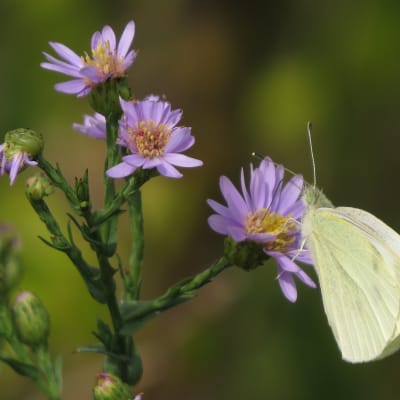
Symphyotrichum laeve 3-4' tall. North American native has Loose clusters of lavender-blue blossoms with yellow eyes. Smooth blue-green foliage. Attractive to pollinators in late season. Z3.
read more
Penstemon hirsutus 16-30" tall. Shorter than P. digitalis, with fuzzy stems topped by clusters of slender tubular nodding 1" lavender flowers with arching white lips. Z3.
read more
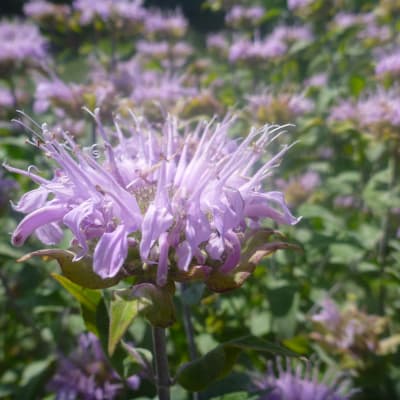
Monarda fistulosa 3-4' tall. Our native wildflower species with aromatic lavender blossoms. This is the variety most commonly used for medicinal purposes. Z3.
read more
Dicentra formosa 14-20" tall. Heart-shaped blossoms in late spring. With good moisture, the lacy foliage look nice all season. Full to dappled shade. Z3.
read more
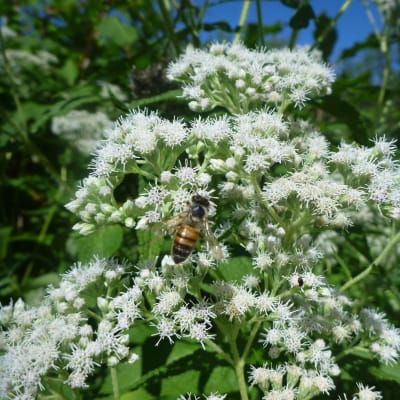
Eupatorium perfoliatum 5-7' tall. Flat-topped clusters of white to lavender flowerheads. Stimulates the immune system. Fetching addition to the perennial border. Z3.
read more
A gift to a world disoriented by ecological collapse and haunted by the question of what to do, Eisenstein’s book gets to the heart of the predicament of how to heal our planetary wounds.
read more
Brassica oleracea (capitata group) (85 days) F-1 hybrid. Deep purple-red rock-hard round heads avg 4-6 lb. Excellent for long storage. Very cold hardy.
read more
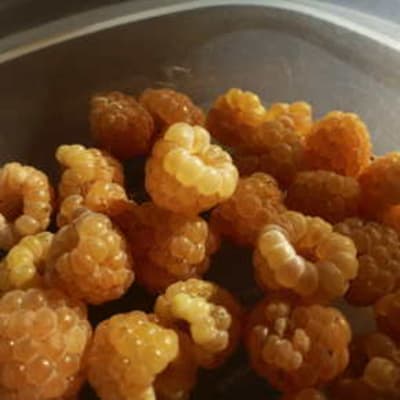
Rubus spp. Midsummer. Medium-large fruit with excellent sweet blackberry-like flavor very distinct from reds. Hardy, vigorous and high-yielding. High in antioxidants. Tolerant of powdery mildew. Z4.
read more
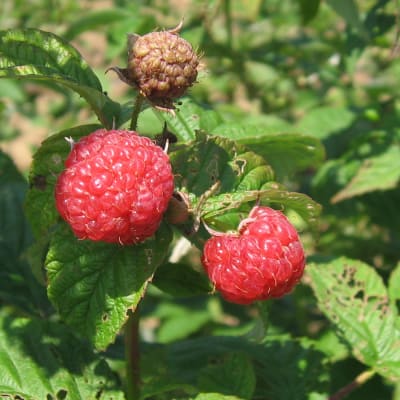
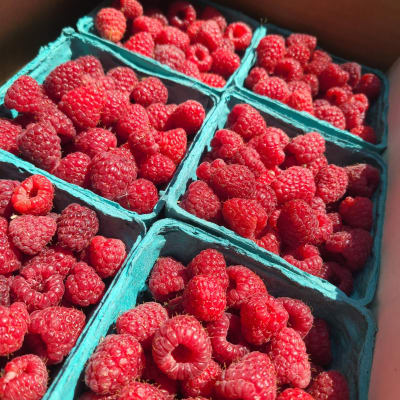
Rubus spp. Late. Dark red medium-large berries of very good quality are firm, holding up well in the quart without slouching. Thornless moderately vigorous canes. An early fall bearer. Good heat tolerance. Z4.
read more
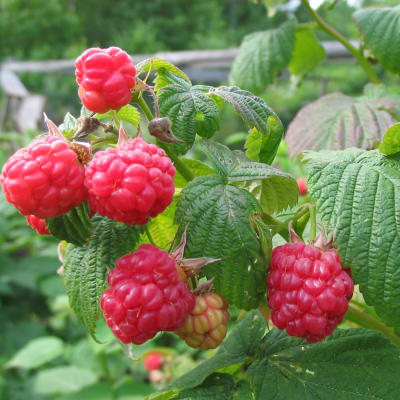
Rubus spp. Early-Mid. Round-conic medium-sized raspberries with an intense deep dark color. Strong aromatic tart flavor and perfect medium-soft texture. Z3.
read more
Rubus spp. Late. One of the most popular raspberries among home gardeners for being nearly thornless and for ripening late in the season. Stores well in the freezer. Highly vigorous sturdy canes. Z4.
read more
Rubus spp. Mid. Large berries are firm, a little crumbly and sweet. Full-flavored and aromatic. Great for fresh eating, canning, freezing, jam, juice or pie. Z3.
read more