These innovative leg gaiters feature a patented mesh-fabric design that slows ticks by 400-800% as they climb up your leg, while exposing them to microencapsulated permethrin to repel them.
Pinus strobus 100'+. Magnificent and massive when mature. Smooth bark becomes rough, deeply furrowed with age. Makes a beautiful hedge. Shade tolerant. Z3.
Picea pungens var. glauca 30-60'. Very popular specimen tree with frosty blue needles. Excellent for privacy screens, as it is fast growing after 3'. Native to western U.S. Z2.
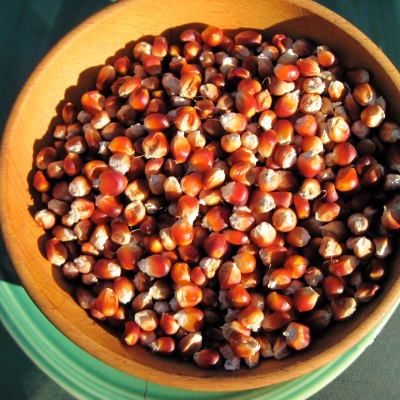
Zea mays var. rostrato (100 days) Open pollinated. Beautiful red pointy kernels are easy to shell and grind. Rich sweet corn flavor good for flour or polenta.
Zea mays (85 days) Open pollinated. This superior flour corn boasts hardiness, earliness and vigor. Ears are solid-colored and can be sorted for use based on kernel color: Pancake White, Parching Red, Parching Starburst and Brown Gravy.
Zea mays (72 days) Open pollinated. Bred by Fred Ashworth. 5' stalks, 6-7" yellow ears, good flavor. Harvest at milk stage; does not hold in the field. Starts well in cool soil.
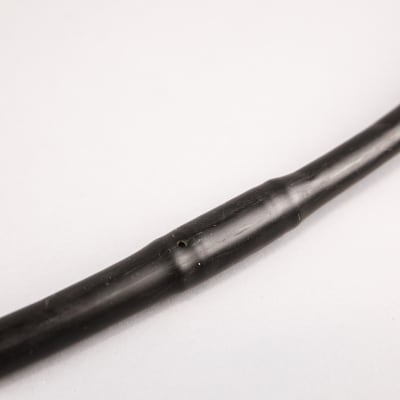
Provides consistent water flow regardless of slope or hose length. No external parts to snap off or leak. Does not clog as easily as soaker hose. With proper care, tubing will last 10 years or more.
Provides consistent water flow regardless of slope or hose length. No external parts to snap off or leak. Does not clog as easily as soaker hose. With proper care, tubing will last 10 years or more.
Trifolium pratense Short-lived perennial legume. Up to 24". Vigorous and high-yielding clover suitable for pastures, underseeding and cover-cropping. More drought-tolerant than white clover.
Dactylis glomerata Perennial grass. Long-lived vigorous grass. Tall leafy plants grow rapidly even in poor soils, tolerates moderately drained soils. Can be established in spring, summer, or even late winter.
Lolium arundinaceum Perennial grass. Long-lived, versatile and low-maintenance grass good for pasture, lawn, or hay. Deep and extensive root system protects against erosion. Tolerates most adverse conditions.
Phleum pratense Perennial grass. A popular perennial hay species that produces good yields, resists lodging and is easily cut and cured. Very winter hardy. Does not tolerate heat or drought.
Dryopteris marginalis 20-30" tall. Strong stems and slightly glossy leathery grey-green fronds make this one of the best ferns for floral arrangements. Evergreen leaves in winter. Z3.
Lagenaria siceraria Tan skin. (120 days) Open pollinated. Large gourd with bulbous base and narrow neck. Fruit can grow 14" tall and 12" in diameter. Start indoors.
Vitis spp. Early-Mid. High-quality white wine grape imparts pineapple and grapefruit flavors with very floral characteristics. Also great for fresh eating. Z3/4.
Iris versicolor 30-36" tall. Northeastern native species with gorgeous blue-violet flowers with bold purple veining and a white and lemon-yellow blaze. Early. Z2.
Brassica oleracea (acephala group) (30 days baby, 56 days mature) Open pollinated. The most commonly grown kale. Dense finely curled blue-green leaves on upright hardy plants. Best as a fall crop, planted July or August.
Lactuca sativa (50 days) Open pollinated. Dark green outer leaves with broad mid-ribs and a creamy white center heart. Slow to bolt. Excellent flavor. Bestseller.
Lactuca sativa (48 days) Open pollinated. Compact tight uniform heads form upright rosettes for a clean market and salad harvest. Pebbled leaves shaded red and light plum on a green base.
Lactuca sativa (55 days) Open pollinated. German heirloom. Elegant loose softball-sized green butterhead lettuce with light brown pebbling on leaves. Excellent flavor and bolt resistance.
Lactuca sativa (49 days) Open pollinated. Standard red leaf lettuce. Attractive 10-16" heads with purplish red-splashed leaves. Lightly crunchy with melting texture. Withstands some heat.
Lactuca sativa (60 days) Open pollinated. Slightly ruffled green leaf lettuce is tinged bronze at the tips. Extreme cold tolerance. Fall, winter and spring production.
Lactuca sativa (53 days) Open pollinated. Grand Rapids-type with slow early growth and pale-green leaves. Excellent heat tolerance and bolt resistance. Recommended for summer production.
Syringa vulgaris Deep bluish-purple lilac with the biggest florets around: each single flower can reach up to 1½" wide! “So large they hang like clusters of immense grapes.” Z3.
Cucumis melo Green flesh. (80 days) F-1 hybrid. Green flesh. Round uniform 1.5-3 lb fruit with light but full net. Skin blushes yellow as fruit ripens. Harvest at full slip.
Morus alba × M. rubraThese are hardwood cuttings for propagation using rooting hormone. One of the most renowned mulberry varieties. Self-fruitful cultivar, so only one plant is required for fruit. Z4/5.
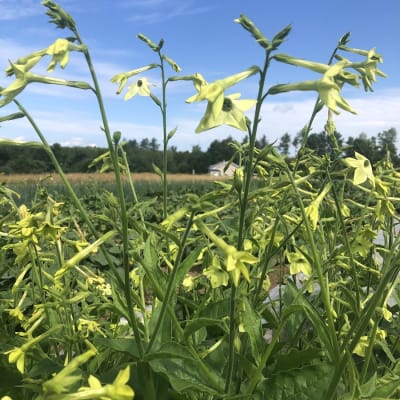
Nicotiana sylvestris Open pollinated. Clusters of drooping tubular white blossoms that perfume the garden day and night. Full powerful scent. 4–5' tall.
Origanum heracleoticum Open pollinated. Perennial to Zone 4, but survives some winters in Zone 3. The true culinary herb for Greek and Italian cooking. Low-growing with fragrant dull green and purple leaves and white flowers.
Amsonia tabernaemontana var. salicifolia 24–36" tall. Fine grassy willow-like foliage. Clusters of powder-blue florets in early summer. Best planted en masse. Z3.