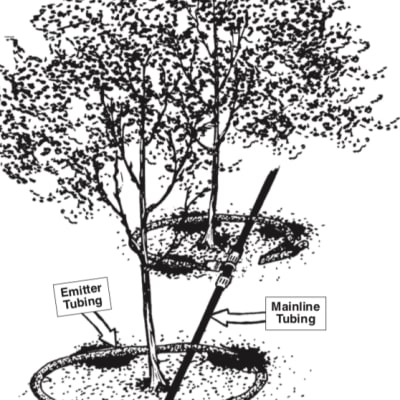
Emitter tubing delivers water where your new trees, canes, and shrubs need it most, while minimizing leaking and clogging. Includes instructions, tubing, couplers, and more!
read more
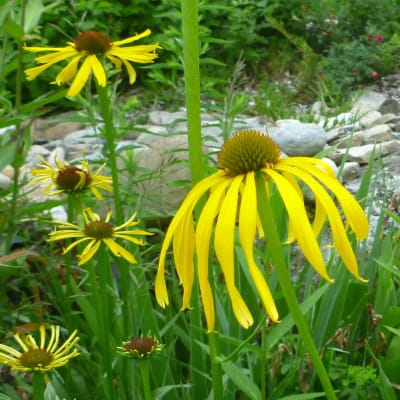
Echinacea paradoxa 3-5' tall. Bright pure-yellow flowers with drooping petals surround spiky dark brown seed cones—irresistible to gobbling goldfinches! Z3.
read more
Solanum melongena (84 days) Open pollinated. Pink-lavender with white shoulders, pear-shaped, 4-6" wide by 6-8" long. Sweet tender white flesh. Early and productive.
read more
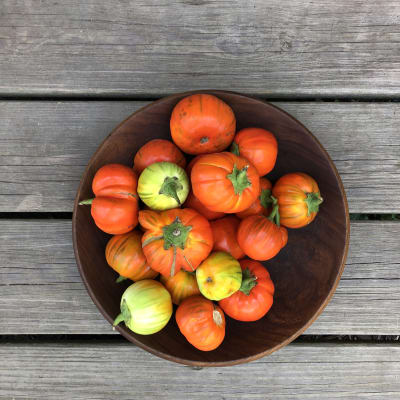
Solanum aethiopicum (65 days) Open pollinated. Sometimes called Ethiopian Eggplant or Garden Egg. Fruits mature to orange but are sweetest when they first turn from green to white. Great in curries and spreads.
read more
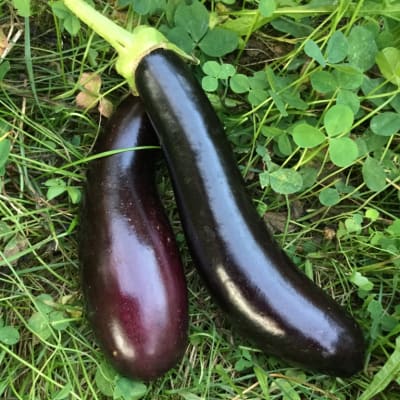
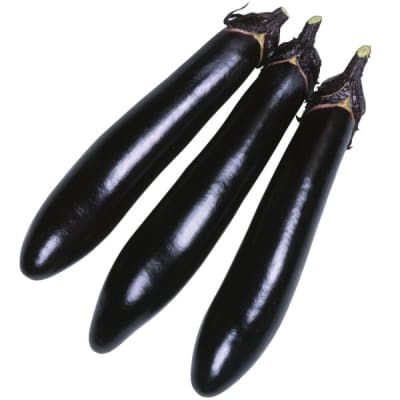
Solanum melongena (60 days) F-1 hybrid. This long 7x2" dark purple Italian “sword” is great for cooks who like uniform slices. Flavor is smooth and mild with no bitterness.
read more
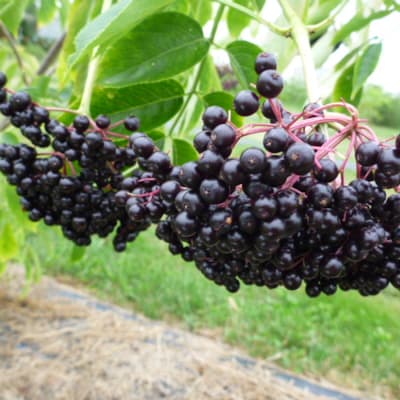
Sambucus canadensis 4-10' x same. An old reliable elderberry, considered by some to be the largest-fruited and heaviest-bearing cultivar. Rounded shrub. Z3.
read more
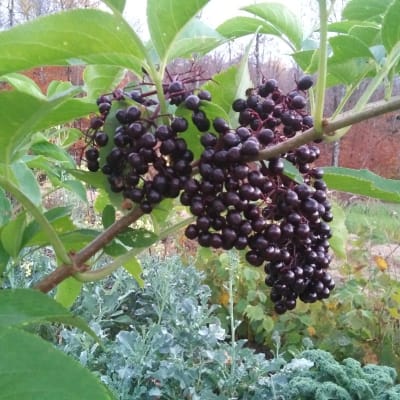
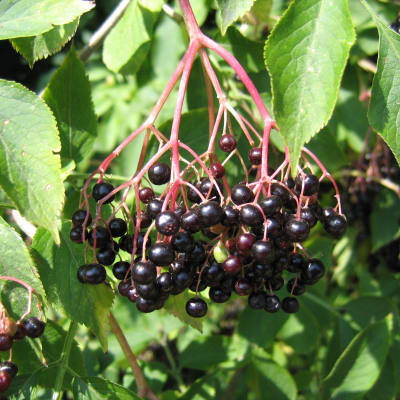
Sambucus nigra 5-8' x 2-5'. Selected for juice production based on very high anthocyanin content and sweet flavor. Strong upright shoots. Z4/5.
read more
Hordeum vulgare Annual spring grain. Variety: ‘Quest.’ Suitable for cover-cropping, grain production, home brewing, or forage. Reliable, valuable feed grain for livestock.
read more
Hordeum vulgare Annual spring grain. Truly hulless variety, which makes for quick, easy, low-tech processing. Fast-growing, and competes well with weeds. Tolerates drought and heavy soils.
read more
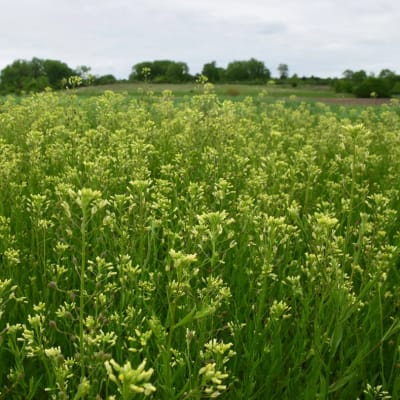
Camelina sativa Annual brassica. Widely adaptable and versatile winter-hardy cover crop and oilseed plant; tolerates poor conditions. Excellent nutrient scavenger. Sow when you would for winter rye.
read more
Trifolium repens Perennial legume. Up to 12". Vigorous large-leafed white clover. Readily self-seeds. Excellent for perennial grazing pasture and improving soil quality in areas transitioning from woody growth.
read more
Trifolium incarnatum Tender biennial legume. Up to 18". Rapid growth in cool weather makes this vigorous clover great for cover cropping and green manure. Crimson blooms attract bees and make good cutflowers.
read more
Trifolium repens Perennial legume. 8–12" tall. Fantastic nitrogen fixer with great protein and digestibility. Tall enough to be harvested for hay, silage, and green chop. Good choice for poorly drained soil.
read more
Trifolium pratense Short-lived perennial legume. Up to 24". Vigorous and high-yielding clover suitable for pastures, underseeding and cover-cropping. More drought-tolerant than white clover.
read more
Raphanus sativus var. niger Broadleaf annual. Roots penetrate hardpans and loosen soil down to 30" or beyond. Takes up available soil nutrients and prevents losses to leaching or runoff. Suppresses weeds if planted thickly.
read more
Pisum sativum var. arvense Annual legume. Also called Forage Peas. Great as weed-smothering workhorse soil builder, or a tasty and highly digestible forage. Likes cool moist conditions. Will grow in most soil types.
read more
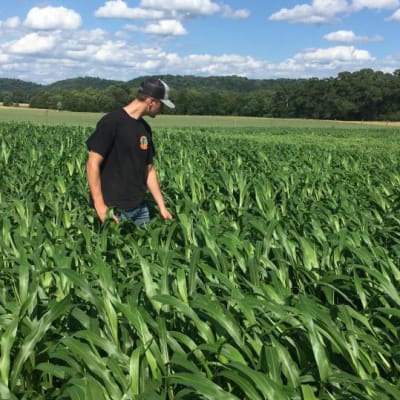
Sorghum × drummondii Annual grass. Vigorous, competitive, adaptable cover crop or annual forage. Likes heat and high fertility. Grows best in warm weather when other grasses slow down.
read more
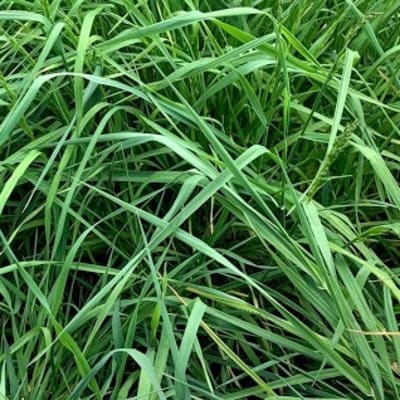
Echinochloa frumentacea Annual grass. Vigorous and versatile! Good for hay, forage, weed-smothering, building soil, and controlling erosion. Tolerates waterlogged soils, low fertility and cool conditions.
read more
Lolium arundinaceum Perennial grass. Long-lived, versatile and low-maintenance grass good for pasture, lawn, or hay. Deep and extensive root system protects against erosion. Tolerates most adverse conditions.
read more
With annuals and biennials, grasses and legumes and broadleafs, and roots of all shapes and sizes, this blend mimics natural diversity and encourages a flourishing and balanced microbial population.
read more
This mix offers organic matter production, nitrogen fixation, nutrient scavenging, erosion control, and weed suppression. Perfect for no-till growers and gardeners who work with hand tools only.
read more
This dynamic cover crop duo has become a favorite of growers who value its vigorous growth and soil-building prowess, along with the assurance that it will winterkill up North.
read more
Brassica juncea or Sinapis alba Annual broadleaf. Great cover crop to retain nutrients, suppress weeds and improve water penetration. Breaks down into compounds toxic to nematodes and soil-borne pathogens.
read more
Avena sativa Annual grass. A solid all-purpose oat. Generates biomass and smothers weeds. Tolerates bad weather and soil conditions. Excellent feed for cows and horses.
read more
Avena sativa Annual grass. Vigorous, lush foliage. Significantly more biomass production than common oats, making them superior for cover-cropping/soil-building, and for feeding livestock. Organic seed.
read more
Avena nuda Annual grass. Great for food or feed. The hull sheds easily during the normal threshing process—industrial-grade milling not required!
read more
Crotolaria juncea Annual legume. Rock star cover crop builds organic matter, fixes atmospheric nitrogen, controls harmful nematodes, and still finds time to be beautiful! Grows vigorously in warm conditions.
read more
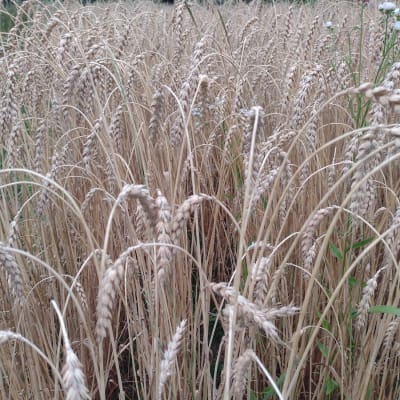
Triticum aestivum Winter annual grain. Extremely cold hardy hard red wheat. Flour has great flavor and texture, and sturdy plants make great straw. Good for small spaces. Well adapted to New England. Will Bonsall fave!
read more
Triticum aestivum Winter annual grain. Makes tender pastries, quick breads and pancakes. Also good for brewing wheat beers, or as a livestock feed.
read more
With 26 full-page illustrations (including covers), our exclusive coloring book features some mash-ups you might recall from past catalogs, and some brand-new ones, for an all-ages coloring fun fest.
read more
Gaillardia pulchella Open pollinated. Daisy-type flowers in reds, yellow, rust and orange with a prominent colored center. Free flowering, low maintenance and easy to grow. Attracts butterflies. Good cutflower.
read more
Geranium sanguinium 4-9" tall. Magenta cups with purple-blue anthers cover tidy deep green lacy foliage. Compact form works well in containers. Considered more drought tolerant than others in the genus. Z3.
read more
Gladiolus murielae 12-18" tall. Sword-like foliage is topped by wonderfully scented star-shaped white flowers with mahogany-purple centers on arching stems. Beautiful in the garden or as a cutflower. Z7.
read more
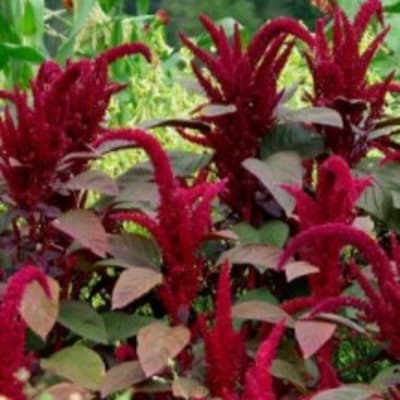
Amaranthus hybridus (65 days to flower, 125 days to seed) Open pollinated. Is it a green vegetable? An ornamental? A gluten-free grain? Why, yes! No wonder Amaranth was sacred in pre-Columbian Mexico.
read more
Sorghum bicolor (105 days) Open pollinated. Sprays of ornamental seedheads in gold, bronze, brown, black, burgundy, red and cream are great for making natural straw brooms and classic autumnal displays. Small shiny seeds are beloved by birds.
read more
Pennisetum glaucum (120 days) Open pollinated. Ornamental grass with deep-purple foliage and large purple seed spikes. Popular in arrangements. 3-5' tall.
read more
Oryza sativa (115 days) Open pollinated. Upland short-grain hardy Russian variety adapted to dry-land production. Can withstand a light frost. May be direct seeded in warmer regions.
read more
Oryza sativa (120 days) Open pollinated. Short grain light brown rice, can work in Zone 5b in paddies from direct sowing but does best from transplants.
read more