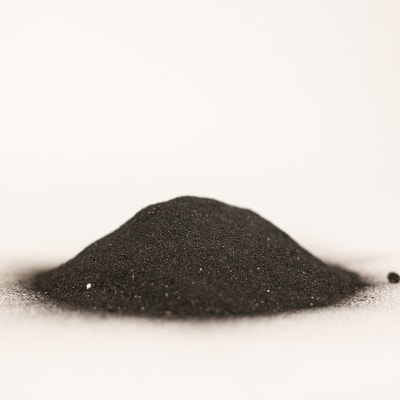
NPK: 13-0-0. One of the fastest release times of all organic nitrogen sources. Highly recommended for corn. The smell (understandably) freaks out deer. Use as a side-dressing or till into soil.
read more
NPK: 13-0-0(apx). Provides a strong and quick release of nitrogen. Apply in the row at planting time for sweet corn, melons, brassicas and other heavy feeders. Not water-soluble.
read more
NPK: 0-16-0. Provides large amounts of readily available phosphorus. A most economical source of P for deficient soils. May be applied without restrictions to organically certified fields.
read more
NPK: 5-4-3 (with 9% Ca). Composted and processed poultry litter provides a good balance of major plant nutrients and other essential elements. Pasteurized to neutralize weed seeds and pathogens.
read more
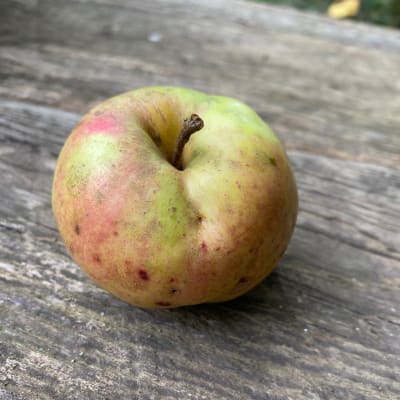
Malus spp. This is a twig for grafting. Winter. Uniquely dark fruit with well-balanced flavor. Excellent pies and cider. Maine heirloom. Best eating late Dec. to March. Great keeper. Z4.
read more
Malus spp. This is a twig for grafting. Fall. Full bittersweet cider apple. Very bitter yellow fruit with spots of pink and orange when fully ripe in mid-October. Intense tannins. Some specimens measured 21 brix. Heavy annual crops. Z4.
read more
Malus spp. This is a twig for grafting. Early fall. Firm, crisp, juicy dessert crab excellent for fresh eating, pickles and sauce. Stores a month. Beautiful mid-late blooms. Z3.
read more
Malus spp. This is a twig for grafting. Fall-winter. Medium-large size, fine-grained, crisp, tender, juicy. All-purpose. Annual producer of heavy crops. Bears young. Z4.
read more
Malus spp. This is a twig for grafting. Fall. Ancient French dessert apple with a strong fruity sweet-tart flavor. Cold hardy, productive and resistant to scab. Blooms late, so good for avoiding spring frosts. Z4.
read more
Malus spp. This is a twig for grafting. Fall-winter. Medium-sized rdark red fruit with cream-colored flesh. Firm, aromatic, excellent fresh eating. Stores up to 5 months. Z4.
read more
Malus spp. This is a twig for grafting. Winter. Excellent storage apple with firm crisp juicy mild yellow flesh. Good for fresh eating and baking. Z3.
read more
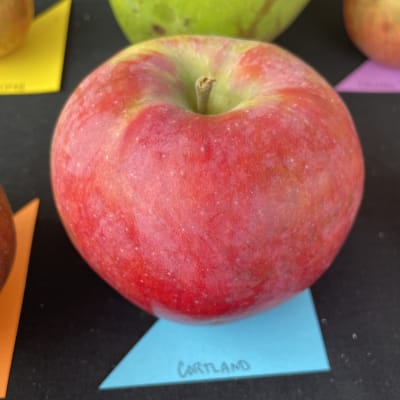
Malus spp. This is a twig for grafting. Winter. A nearly perfect all-purpose apple for northernmost areas. Bright red fruit with white firm crisp juicy flesh. Very versatile. Keeps until March. Z3.
read more
Malus spp. This is a twig for grafting. Winter. Medium-large apple. Sweet, juicy, snappy fresh eating. Keeps up to seven months. Tends to bear annually. Scab-resistant. Z3.
read more
Malus spp. This is a twig for grafting. Winter. A Golden Delicious for the north. Large golden-yellow bronze-blushed aromatic fruit has crisp and juicy yellow flavorful flesh. Keeps all winter. Z3.
read more
Malus spp. Winter. A popular all-purpose commercial apple in New England. Delicious fresh eating, cooks well in pies and sauce and keeps until late spring. Z4.
read more
Malus spp. This is a twig for grafting. Fall-winter. Originated in Turkey. Unusual fruit shape. Sweet-tart with high flavor. A good tree for smaller spaces. Z4.
read more
Malus spp. This is a twig for grafting. Fall. Medium-sized, very juicy aromatic white flesh. Crisp with rich sweet flavor. Excellent fresh eating. Vigorous tree. Z4.
read more
Malus spp. Late fall. Exquisite dessert fruit is fine-grained juicy and snappy. Clean fruity finish with superior aromatics. Keeps until March. Likely hardy to Z3.
read more
Malus spp. This is a twig for grafting. Early fall. Medium-large all-purpose apples. Visually striking. Crisp, juicy, tender, fine-grained flesh. For dessert, pies, or sauce. Z3.
read more
Malus spp. Fall. Full bittersweet cider apple. Very bitter yellow fruit with spots of pink and orange when fully ripe in mid-October. Intense tannins. Some specimens measured 21 brix. Heavy annual crops. Z4.
read more
Malus spp. Fall. Bittersharp cider apple. Dark red crabapples look like enlarged cranberries. Mostly tart and slightly sweet with a bitter finish. Z4.
read more
Astilbe chinensis 16-24" tall. Creamy pink-white dense plumes fade to green—not brown—to extend this Astilbe’s time to shine. Full to part shade. Z3.
read more
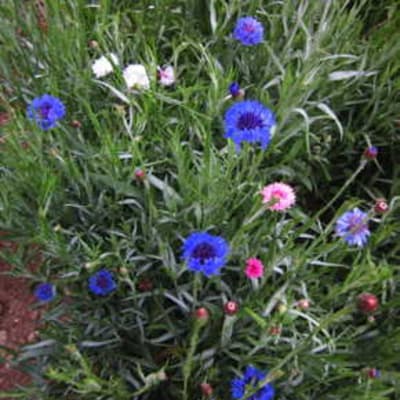
Centaurea cyanus (60 days) Open pollinated. Early frilly 2" periwinkle-blue blooms on semi-dwarf 2' plants. A popular favorite with a long bloom period.
read more
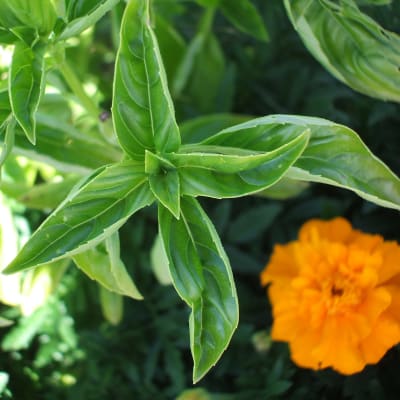
Ocimum basilicum (70 days) Open pollinated. The choice of many connoisseurs for making pesto. Leaves are slightly smaller and finer than Sweet Basil with more aroma and potency.
read more
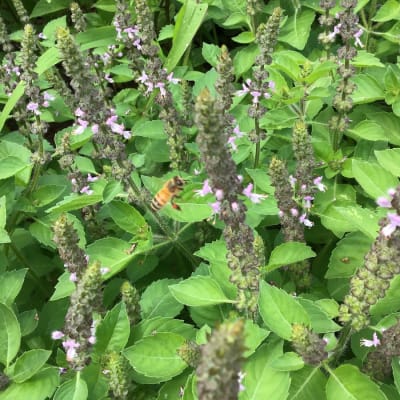
Ocimum tenuiflorum (100 days) Open pollinated. A superior strain of Tulsi or Sacred basil, with a more compact growth habit and more pungent sweet flavor.
read more
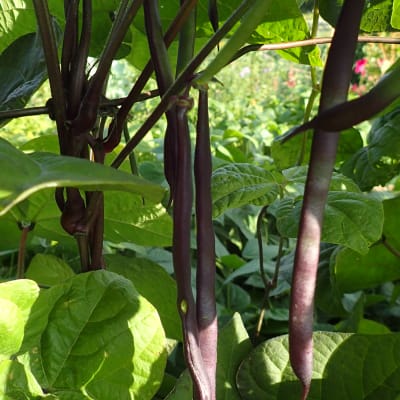
Phaseolus vulgaris (57 days) Open pollinated. 6" pods. Long a standard for flavor. Not heat tolerant, but excellent for fall crops. White seed.
read more
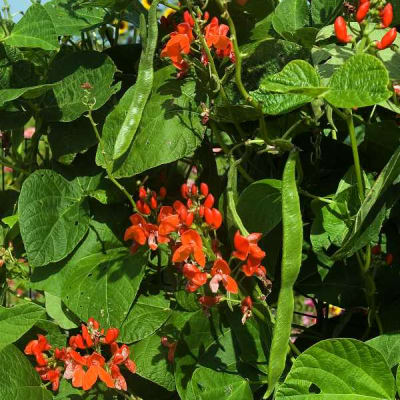
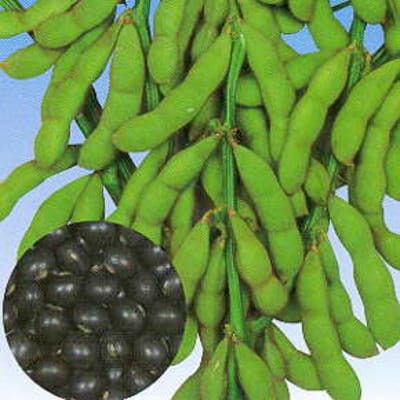
Phaseolus coccineus (70 days snap, 95 days shell) Open pollinated. 10-12' tall. Mottled black and purple seeds. Ornamental brilliant scarlet blossoms. Snap or shell bean.
read more
Phaseolus vulgaris (86 days) Open pollinated. Richly flavored heirloom brown baking bean that is well adapted to our cool climate. Golden-tan seed.
read more
Phaseolus vulgaris (106 days) Open pollinated. Large speckled tan beans with good yields, even in stressful conditions. Creamy texture for great comfort food.
read more
Monarda punctata Open pollinated. A whimsical beauty with complex blossoms and many culinary and medicinal uses. Its oregano-like aroma and flavor is lovely for tea and seasoning.
read more
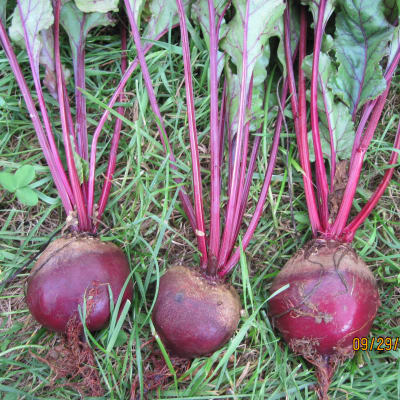
Beta vulgaris (48 days) Open pollinated. From 1911, beloved by commercial growers and home gardeners. Early beet greens and bunching beets. Quick cold soil emergence. Attractive purple tops.
read more
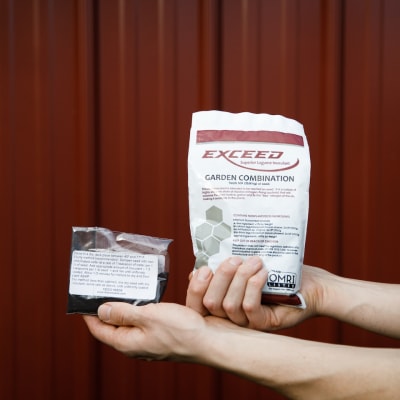
Inoculates peas, sweet peas, cowpeas, dry beans, peanuts, lentils, limas, vetch, and Sunn Hemp. We recommend using fresh inoculant each time you plant a legume.
read more