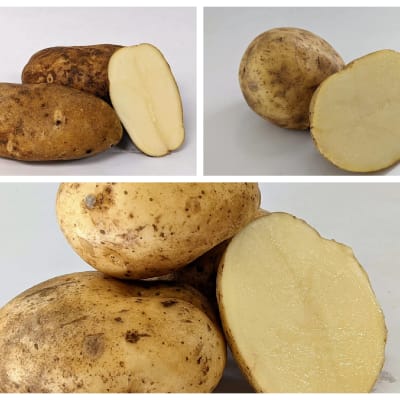
Solanum tuberosum Late season, rose skin, yellow flesh. Large and long oval tubers have distinct flavor, with satiny rose-red skin and creamy yellow flesh. Rugged plants are high yielding in fertile soil.
read more
Solanum tuberosum Mid-season, red skin, white flesh. Excellent dormancy retention in winter storage. Order your extra crates now to accommodate staggering yields to come!
read more
Solanum tuberosum Mid-season, red skin, white flesh. Super-sweet moist flesh. Excellent dormancy retention in winter storage. Order your extra crates now to accommodate staggering yields to come!
read more
Solanum tuberosum Mid-season, bright red skin, white flesh. Flesh is firm, sweet and moist, with good storage. Generally good yields of medium-to-large tubers. Developed specifically for blight and scab resistance.
read more
Solanum tuberosum Mid-season, russeted skin, white flesh. Good flavor and reliably high yields. Russets can be fussy in our humid climate, but Gold Rush performs even in wet years or poor soils. Perfect for baking and fries.
read more
Solanum tuberosum Early season, buff skin, white flesh. Creamy and fancy. Yields abundant golf-ball–sized potatoes throughout the growing season. Great for container gardening.
read more
Solanum tuberosum Mid to late season, red skin, red flesh. Plump fingerlings with smooth skin, excellent color retention and high yields. They’re also tasty as heck!
read more
Solanum tuberosum Mid to late season, yellow skin, yellow flesh. Nutty and waxy, Bananas are renowned for their heavy yields of giant fingers.
read more
Solanum tuberosum Mid to late season, yellow skin, yellow flesh. Nutty and waxy, Bananas are renowned for their heavy yields of giant fingers.
read more
Solanum tuberosum Late season, yellow-netted skin, yellow flesh. The most consistent fingerling in shape and size. Versatile in the kitchen and a great keeper.
read more
Solanum tuberosum Late season, yellow-netted skin, yellow flesh. The most consistent fingerling in shape and size. Versatile in the kitchen and stores beautifully through the winter.
read more
Solanum tuberosum Mid-season, buff skin, white flesh. Smooth glossy skin and uniform tuber shape and size. Starchy texture is ideal for baking, mashing, fries and homemade chips.
read more
Solanum tuberosum Early to mid-season, yellow skin, yellow flesh. Polish up your style for city market with these stunningly chic Satinas. The soft buttery flesh and yellow skin are smooth as silk.
read more
Solanum tuberosum Early season, yellow skin, yellow flesh. A modern take on Yukon Gold, with higher yields and better PVY and scab resistances. Matures about 10 days later than Yukon Gold, but worth the wait.
read more
Solanum tuberosum Five time-tested winter-storage potatoes in multiple hues of skin and flesh for full baskets in your root cellar that will keep your stove cranking right through spring parsnip digging.
read more
Solanum tuberosum Three diverse varieties of gourmet potatoes. If you find a favorite, you can grow it next year. Sample the many colors and shapes that these tasty cuties provide.
read more
Ipomoea batatas Buff skin, white flesh. (90-100 days) An easy-to-grow replacement for finicky Bonita. A versatile potato with smooth flesh with flavor more on the savory end of the sweet potato spectrum.
read more
Ipomoea batatas Red skin, orange flesh. (90-100 days) A well-known staple variety in the U.S. Vigorous growth and heavy yields of silky smooth, sweet but not too sweet potatoes.
read more
Ipomoea batatas Red skin, orange flesh. (90-100 days) A well-known staple variety in the U.S. Vigorous growth and heavy yields of silky smooth, sweet but not too sweet potatoes.
read more
Ipomoea batatas Red skin, orange flesh. (90 days) The standard variety for commercial sweet potato production in the North. Moist flesh is moderately sweet.
read more
Ipomoea batatas Purple skin, white flesh. (120 days) Japanese-type sweet potato with rich nutty flavor and high sugar content. Requires a longer season to mature.
read more
Ipomoea batatas Purple skin, white flesh. (120 days) Japanese-type sweet potato with rich nutty flavor and high sugar content. Requires a longer season to mature.
read more
Ipomoea batatas Golden skin, orange flesh. (100-110 days) A rare bush variety, good for smaller spaces like raised beds and containers. Firm flesh holds up to roasting and frying. Lovely foliage. Stores well.
read more
Ipomoea batatas Rose skin, orange flesh. (100 days) Superb flavor, luscious texture and a forgiving growing habit. Heavy yields of uniform tubers are easy to harvest.
read more
Ipomoea batatas Rose skin, orange flesh. (100 days) Superb flavor, luscious texture and a forgiving growing habit. Heavy yields of uniform tubers are easy to harvest.
read more
A blend of microorganisms and mycorrhizal fungi to prevent seed rot and enhance growth for corn, legumes, grasses, potatoes, garlic, and other veggies. Recommended if you cut your own seed potatoes!
read more
Agricultural Sulfur. Use to make soil pH more acidic. Often helpful for both lowbush and highbush blueberries, and for potatoes. Lowering the pH of gravel paths will help control weed growth.
read more
A good source of immediate potassium for depleted soil and of magnesium where calcium is abundant. Alliums like its sulfur and potatoes like its quick boost of potassium.
read more
Place over wire hoops to create a greenhouse environment. Self-venting on hot days. Offers a few degrees of frost protection. Especially recommended for sweet potatoes and long-season peppers.
read more
Helps induce systemic resistance to a broad range of fungal diseases in most edible crops. Preferable to copper fungicide on cannabis, and worth a try to prevent late blight in your potatoes!
read more
Placing emphasis on those with special health and dietary needs, Deppe covers her Golden Rules of Gardening, five essential crops you need to survive and thrive, as well as recipes and seed saving.
read more
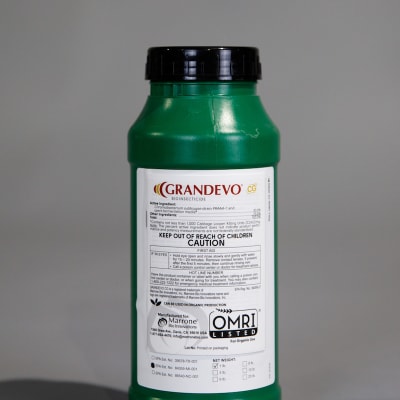
Reduces plant damage from sucking and chewing insects including Colorado potato beetle larve. Faster-acting than most biological products: stops feeding activity within one minute of exposure.
read more