Lactuca sativa (32 days baby, 60 mature) Open pollinated. Modern classic. Adds intense deep red color and full-bodied flavor to baby salad mix. Not recommended for full-size heads. Cold tolerant.
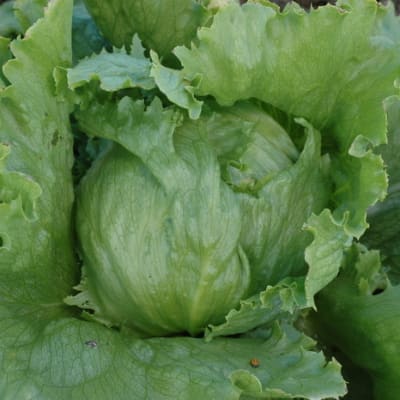
Lactuca sativa (60 days) Open pollinated. Slightly ruffled green leaf lettuce is tinged bronze at the tips. Extreme cold tolerance. Fall, winter and spring production.
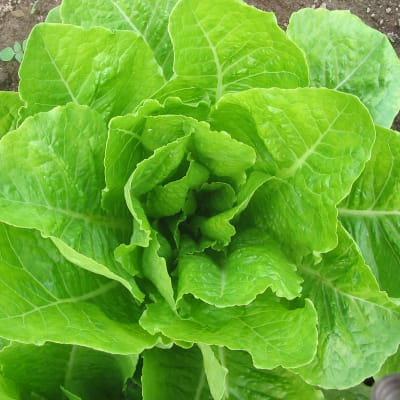
Lactuca sativa (60 days) Open pollinated. Bred in Israel. Classic romaine lettuce for warm temps. Hefty 2' head of light green sword-shaped leaves. Excellent bolt resistance.
Lactuca sativa (60 days) Open pollinated. French heirloom has substance with succulence. Begins like a bibb, matures into a well-wrapped romaine. Thick tender dark green leaves. Cold hardy.
Tagetes erecta (60 days) F-1 hybrid. Fully double 4" pompon blooms in gold, orange and yellow. Perfect for stringing into garlands. Early to bloom, 18" tall.
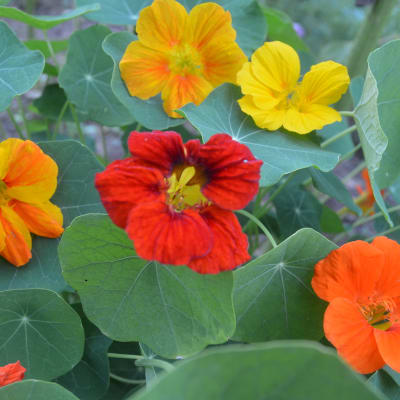
Tropaeolum majus (60 days) Open pollinated. Striking variegated green and white foliage and tangy yellow and orange blossoms. Great plant for hanging baskets. 16" plants.
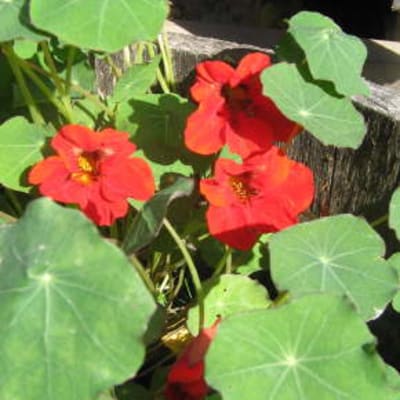
Tropaeolum majus (60 days) Open pollinated. Dark purplish-green leaves with brilliant crimson-scarlet flowers contrast well with other varieties. 16" plants.
Tropaeolum minus (60 days) Open pollinated. Named for the dessert. Primrose-cream blossoms with pearly red centers. Sets abundant blooms above compact lily-pad foliage.
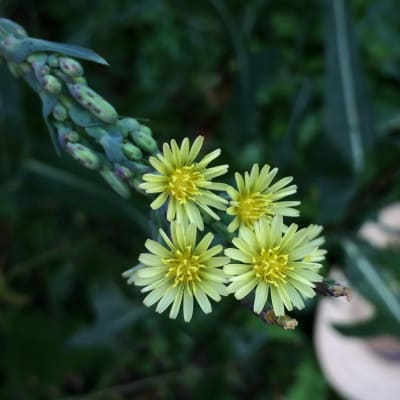
Lactuca serriola (60 days) Open pollinated. Readily grows as a spring-sown annual.Young leaves are edible, and the plant can be milked for its medicinal latex.
Capsicum annuum Red skin. (60 days) F-1 hybrid. Red thin-walled bell peppers, not consistently blocky. Easy to grow. Consistently early. Good for home gardens.
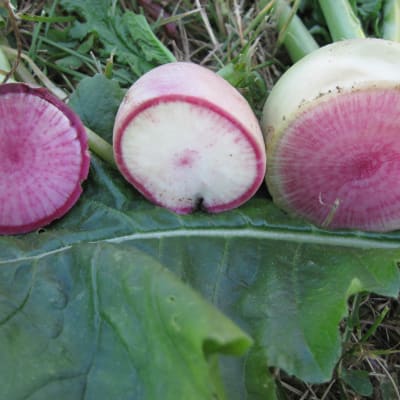
Raphanus sativus Multi-colored skin, rose flesh. (60 days) Open pollinated. Greenish-tan to rose skin, rose flesh. Spicy but not harsh. For fall crop, a good keeper.
Cucurbita pepo (60 days) Open pollinated. Italian heirloom. Cylindrical. Deeply ribbed striped tender fruit. Excellent flavor. Also good for blossom production.
Lathyrus odoratus (60 days) Open pollinated. Mix of blue, lavender, pink, purple, chocolate, orange and scarlet, streaked with white. Huge blossoms and great as a cutflower. Over 5' tall.
Physalis ixocarpa Yellow skin. (60 days) Open pollinated. Sweet and tropical, like a ground cherry, perfect for fresh eating, roasting, grilling and for fruity salsas. A flavor that surprises and delights!
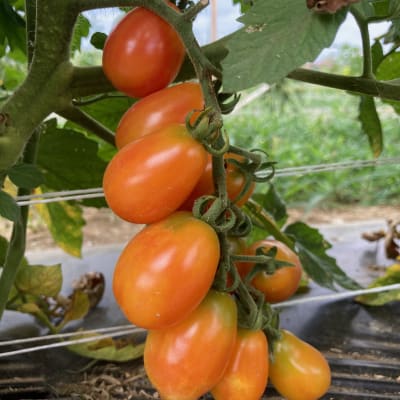
Solanum lycopersicum Red skin. (60 days) F-1 hybrid. Glossy red plum-shaped 1-2 oz grape tomato. Prolific, crack-resistant, versatile: use them fresh, dried, stewed, sauced. Sweet and tangy.
Solanum lycopersicum Red skin. (60 days) Open pollinated. In our trials this mighty OP outperformed many grape-type hybrids in earliness, productivity and flavor. Good for fresh eating, cooking and processing.
Solanum lycopersicum Red skin. (60 days) F-1 hybrid. Red round uniform 4 oz fruits. Early and prolific. Firm, juicy and refreshing. Excellent holding quality in the field.
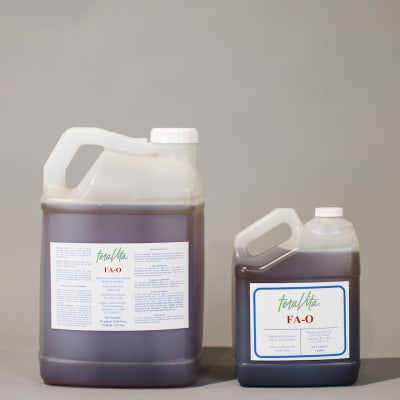
Fulvic acid is a powerful antioxidant and chelator: one molecule can transport 60 or more minerals into plant cells for a more efficient and effective fertilization program
Thuja occidentalis 20-60'. Narrow and tall with twiggy branches, soft fibrous orange-brown bark, and distinct flat foliage. Good for screens and hedges. Z2.
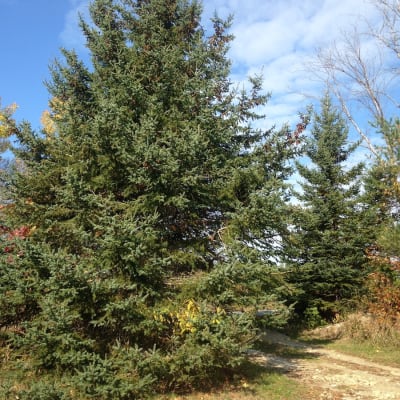
Picea pungens var. glauca 30-60'. Very popular specimen tree with frosty blue needles. Excellent for privacy screens, as it is fast growing after 3'. Native to western U.S. Z2.
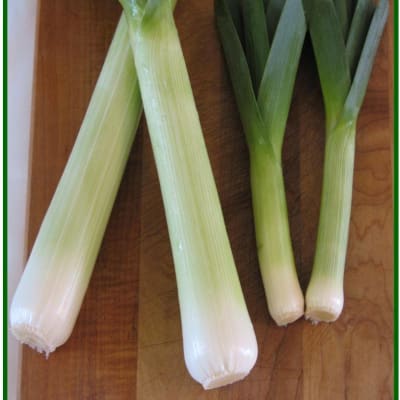
Allium ampeloprasum (porrum group) (75 days) Open pollinated. Dual-purpose "summer" leek. Direct seeded: 50 to 60 days for bunching. Or transplant for full-size August harvest.
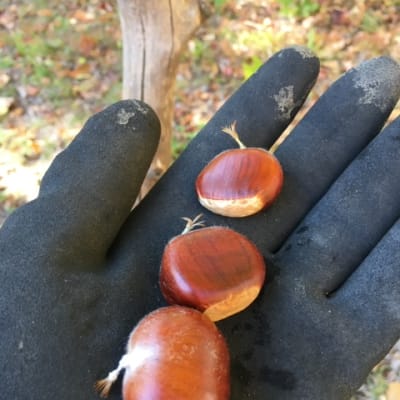
Castanea 40-60' x 30-40'. Hybrid crosses of mixed parentage. Parent trees show excellent blight resistance. Begins flowering at 3-5 years. Great flavor, high annual nut production. Z4.
Diospyros virginiana 35-60' x 20-35'. Medium-sized native tree produces edible orange fruit used in pies, jams and jelly. May not always ripen north of Boston. Plant two or more for fruit. Z4/5.
Ulmus americana 60' x 35-40'. New selection from a lone survivor wild specimen surrounded by other trees that had succumbed to the fatal disease. Further studies at U Minn confirmed its excellent resistance. Z3.
Catalpa speciosa 40-60'. Dense foliage of heart-shaped leaves provides excellent shade. Incredibly fragrant jasmine-scented white blossoms. Grows rapidly. Attracts pollinators. Native to central U.S. Z4.
Quercus rubra 60-75' x 45'. The most common oak in northern New England. Magnificent open rounded crown. Fast growing. Tolerant of different conditions. Z4.
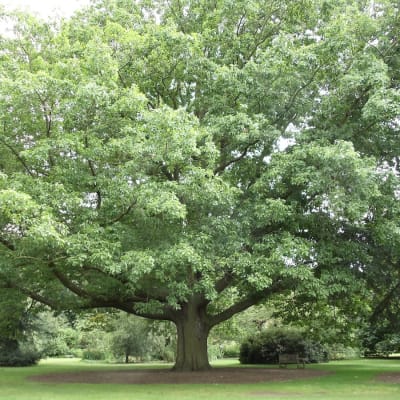
Quercus bicolor 50-60' x same. Massive rounded shade tree with short deeply ridged trunk and fan of branches. Yellow to reddish-purple fall foliage. Native. Z3.