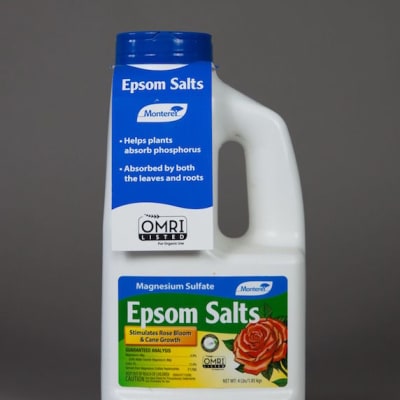
Magnesium is a building block of chlorophyll and therefore essential to efficient photosynthesis. May boost yields significantly, especially for roses and tomatoes.
NPK: 13-0-0. One of the fastest release times of all organic nitrogen sources. Highly recommended for corn. The smell (understandably) freaks out deer. Use as a side-dressing or till into soil.
NPK: 13-0-0(apx). Provides a strong and quick release of nitrogen. Apply in the row at planting time for sweet corn, melons, brassicas and other heavy feeders. Not water-soluble.
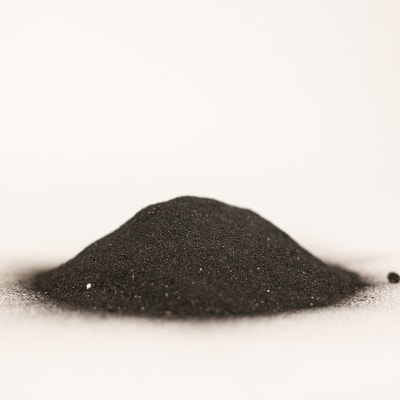
NPK: 0-16-0. Provides large amounts of readily available phosphorus. A most economical source of P for deficient soils. May be applied without restrictions to organically certified fields.
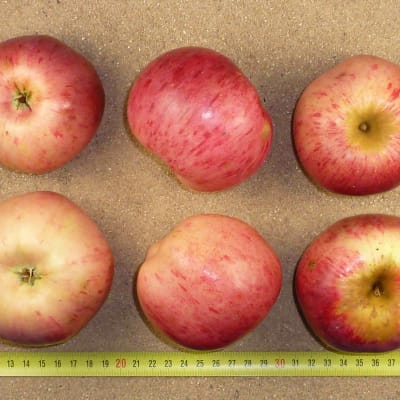
Malus domestica Late summer, red-striped skin. Borowinka seedlings are standard-sized, vigorous, disease resistant and cold hardy. Grow these trees for their own fruit, or as rootstock for grafting. Early to midseason blooms. Z3.
Malus spp. Winter, russeted yellow skin. Medium-sized russet apple. The champagne of cider apples, and excellent for eating. Keeps well into spring. Scab-resistant. Z4.
Malus spp. Multi-colored skin. Be the proud keeper of a sister tree to one of many rare varieties planted at the Maine Heritage Orchard. $30 from the sale supports the project.
Malus spp.This is a twig for grafting. Winter, grass green skin, greenish yellow flesh. Ukranian dessert apple. Tender crisp fine-grained flesh makes excellent fresh eating. Like a Granny Smith for the North! Stores well. Z4.
Malus spp. Late summer, red-striped skin. Medium-sized, highly-flavored fruit. Good balance of acid/sweet. Crisp and juicy fresh-eating. Stores up to seven weeks. Z3.
Malus spp. Fall, russeted green skin, creamy white flesh. Excellent bittersweet for blending in hard cider. Juicy firm quite bitter very astringent flesh has a very high sugar content. Rare. Z4.
Malus spp. Fall, pink-spotted yellow skin. Full bittersweet cider apple. Very bitter yellow fruit with spots of pink and orange when fully ripe in mid-October. Intense tannins. Some specimens measured 21 brix. Heavy annual crops. Z4.
Malus spp. Fall, dark red skin. Bittersharp cider apple. Dark red crabapples look like enlarged cranberries. Mostly tart and slightly sweet with a bitter finish. Z4.
Malus spp. Late fall, red-striped skin. Medium-bittersweet cider apple. One of the most popular cider varieties. Not for eating fresh. Annual bearer. Z4.
Prunus armeniaca Mid-late summer, pale yellow skin. From Iran, these apricots are sugary with large sweet edible almond-like pits. Very hardy and worth trialing in the Northeast. Z3.
Perilla frutescens var. crispa (85 days) Open pollinated. Japanese heirloom. Ornamental and edible purplish-red anise-scented leaves. Used in sushi, sauces, garnishes, pickles, stir-fries, and to color umeboshi plums red.
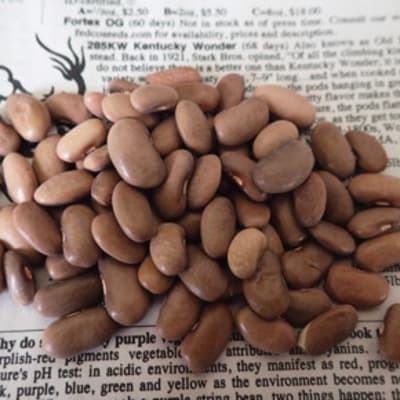
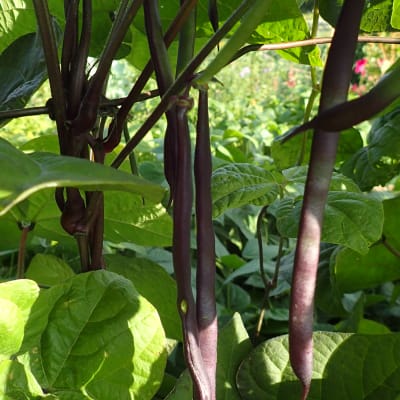
Phaseolus vulgaris (60 days) Open pollinated. Fortex begins producing early and keeps going into fall, long after others have quit. Its flavor and texture reign supreme, a distinctive nutty taste that can be enjoyed raw or cooked.
Beta vulgaris (54 days) Open pollinated. Gene pool based on 3 heirlooms. Expect 3 colors: pink-red with orange, bright gold and vivid orange. 3.5 x 7-8" tapered form.
Daucus carota (55 days) Open pollinated. Early coreless translucent pinkish-orange blunt-tip roots. Mild sweetness boosted by “carrot perfume.” Upright tops good for bunching.
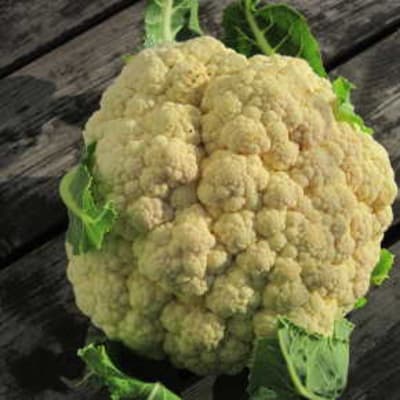
Brassica oleracea (botrytis group) (93 days) F-1 hybrid. Very large upright plants set dense 2-4 lb attractive white domed heads. Tender with very good flavor.
Trifolium pratense Short-lived perennial legume. Up to 24". A high-yielding red hay clover with glabrous stems for fast dry-down. Excellent winter hardiness and persistence. Good for acidic or wet soils.
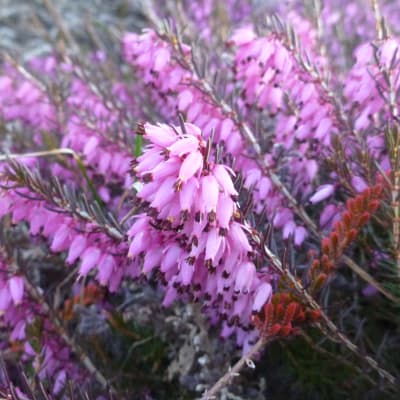
Erica carnea 6-8" x 18" Profuse blooms very early spring through April with repeat blooms in August. Mounded mat-like creeping growth habit. Low maintenance! Z4.
Lactuca sativa (65 days) Open pollinated. Compact hardy plants with reddish-amber–tipped green leaves and crunchy batavian taste. French heirloom stands the test of time as well as the chill of fall.
Lactuca sativa (50 days) Open pollinated. Dark green outer leaves with broad mid-ribs and a creamy white center heart. Slow to bolt. Excellent flavor. Bestseller.
Lactuca sativa (50 days) Open pollinated. Dark green outer leaves with broad mid-ribs and a creamy white center heart. Slow to bolt. Excellent flavor. Bestseller.
Lactuca sativa (58 days) Open pollinated. Thick medium-green leaves make a tight well-developed heart. Holds well in the field, a standout both for commercial growers and home gardeners.
Lactuca sativa (55 days) Open pollinated. German heirloom. Elegant loose softball-sized green butterhead lettuce with light brown pebbling on leaves. Excellent flavor and bolt resistance.
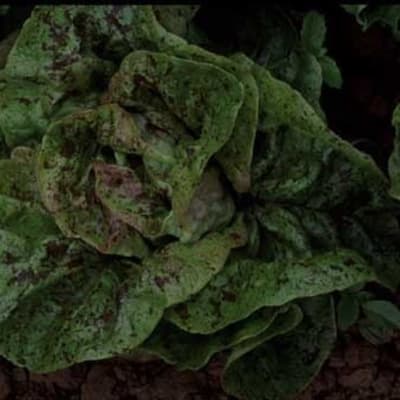
Lactuca sativa (55 days) Open pollinated. Heirloom. Very attractive bibb lettuce has apple-green leaves splashed with maroon-red flecks. Selected for resistance to tip burn.
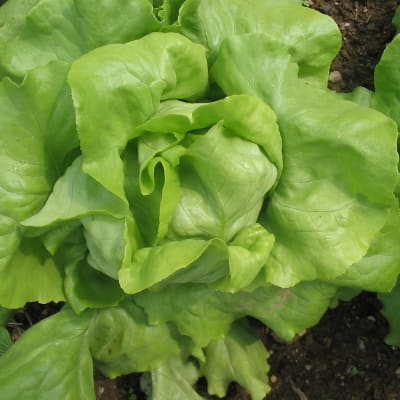
Lactuca sativa (52 days) Open pollinated. Large fancy fast-growing light-green butterhead lettuce. Bolts quickly in heat. Recommended for fall or overwintering where climate permits.
Lactuca sativa (49 days) Open pollinated. Unique Butterhead/Romaine combination with ruffled savoyed leaves dappled red and green. Very crisp and buttery.
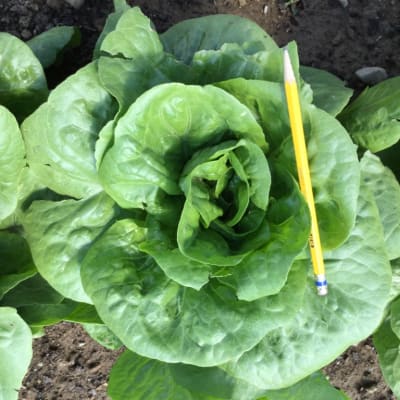
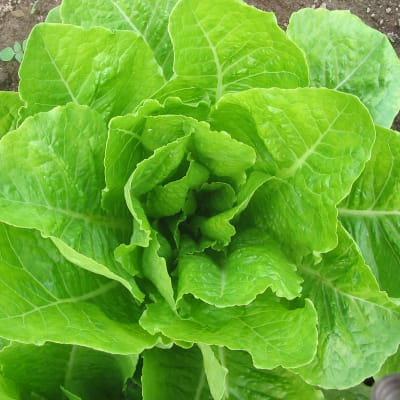
Lactuca sativa (60 days) Open pollinated. Bred in Israel. Classic romaine lettuce for warm temps. Hefty 2' head of light green sword-shaped leaves. Excellent bolt resistance.
Lactuca sativa (67 days) Open pollinated. Deep dark red leaves with contrasting pink veins, and a smidgen of green in the center. Tall upright 8" heads.