Knit gloves coated with durable pebbled, black latex. Very flexible; partially uncoated back for better ventilation. Excellent in the cold with wool or silk liners. Double-knit cuff.
read more
Snug-fitting knit poly-nylon shell is dipped in nitrile, a marvelously gripping soft rubber that latex-sensitive people can use. Snug fit and tacky surface preserve dexterity.
read more
These seamless-knit liners magically transform the Vermonter Work Gloves from summer gloves into winter gloves! Merino wool keeps you warm even when wet.
read more
These rugged goatskin work gloves will outlast other leather work gloves three or four times over. Patented thumb design offers improved comfort and durability. Worth the investment! Made in VT.
read more
You can’t possibly work harder than these top-notch leather work gloves. The 100% goatskin body is rugged yet soft and dexterous. Features exterior seams and patented thumb design.
read more
Metasequoia glyptostroboides 100'. A spectacular ornamental tree! Wide trunk with iridescent golden-orange bark and bright green deciduous needles turn orange in the fall. Highly adaptable. Z4.
read more
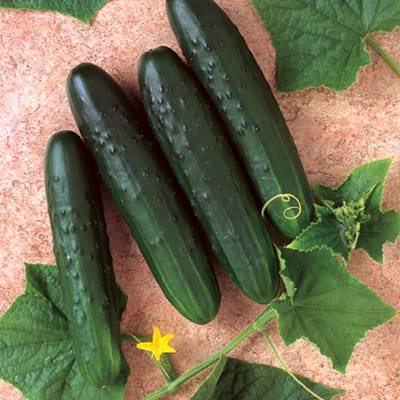
Cucumis sativus (54 days) F-1 hybrid. 7-8" smooth-skinned dark green fruits with crunchy sweet seedless pale green flesh. Tolerant of cool temps.
read more
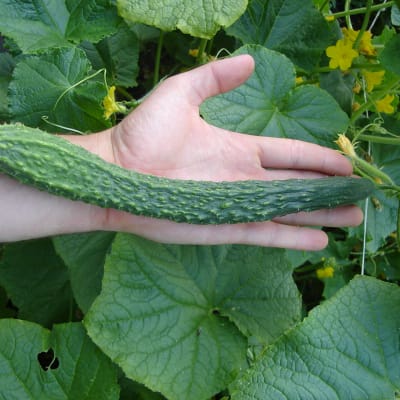
Cucumis sativus (62 days) Open pollinated. Extra-long Asian slicer. Uniform slender smooth-skinned 9-12" fruit with crisp non-bitter flesh. Excellent flavor.
read more
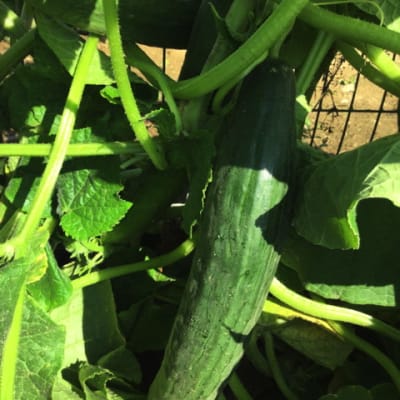
Cucumis sativus (60 days) Open pollinated. Heirloom performs in tunnels and outdoors. 10-14" slim Euro-type cuke with mild flavor; not bitter, few seeds. Trellis for straight fruits.
read more
Cucumis sativus (63 days) Open pollinated. Classic slicer for the Northeast. Dark green 8-8.5" uniform fruits. Vigorous throughout the season.
read more
Cucumis sativus (58 days) Open pollinated. Slicer from the same line as Marketmore 76. Fruit is slimmer and darker, with improved yield and disease resistance.
read more
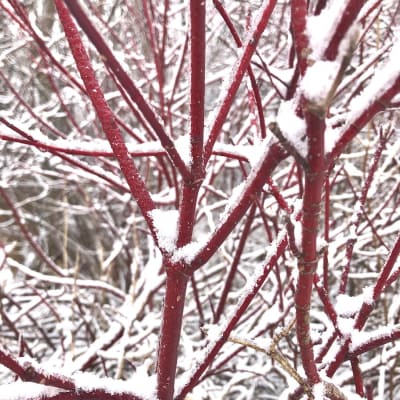
Cornus sericea 8-10'. Multi-stemmed spreading shrub excellent for hedges and borders. Red stems admirable in the winter. Valuable native wildlife plant. Z2.
read more
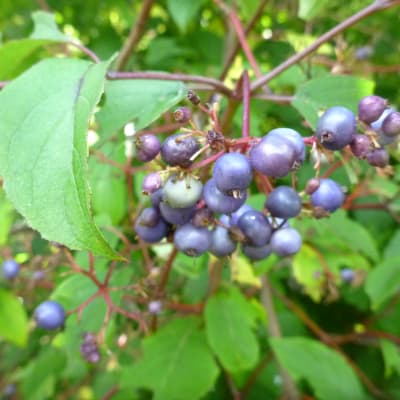
Cornus amomum 8-12' x same. Large rounded long-limbed shrub. Effective for erosion control, wildlife or pollinator habitat. Maroon bark visible in winter. Suckers and spreads. Native to eastern U.S. Z4.
read more
Provides consistent water flow regardless of slope or hose length. No external parts to snap off or leak. Does not clog as easily as soaker hose. With proper care, tubing will last 10 years or more.
read more
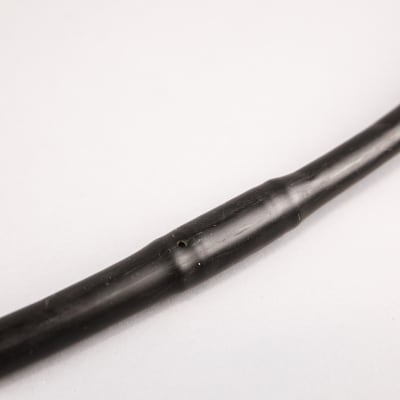
For watering anything with an irregular spacing: potted plants, trees, shrubs, landscape plants, etc. Sometimes referred to as “spaghetti tubing.” Comes with pre-attached barb.
read more
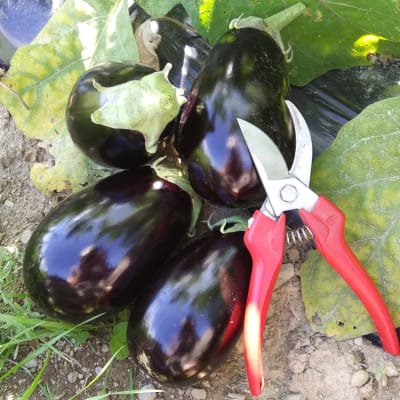
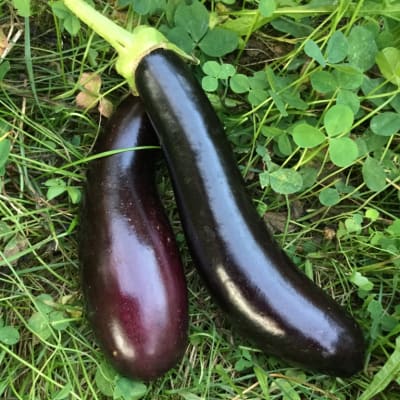
Solanum melongena (75 days) F-1 hybrid. Dark purple 7-8"tapered half-long bell-shaped fruit with a thornless light green calyx. Early and productive.
read more
Solanum melongena (84 days) Open pollinated. Pink-lavender with white shoulders, pear-shaped, 4-6" wide by 6-8" long. Sweet tender white flesh. Early and productive.
read more
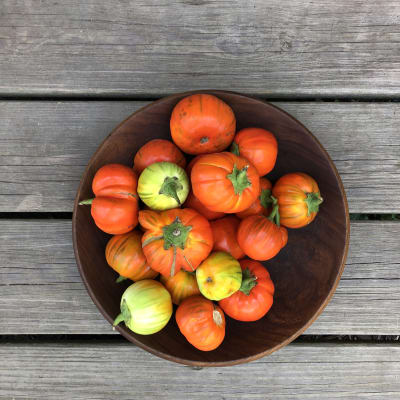
Solanum aethiopicum (65 days) Open pollinated. Sometimes called Ethiopian Eggplant or Garden Egg. Fruits mature to orange but are sweetest when they first turn from green to white. Great in curries and spreads.
read more
Solanum melongena (60 days) F-1 hybrid. This long 7x2" dark purple Italian “sword” is great for cooks who like uniform slices. Flavor is smooth and mild with no bitterness.
read more
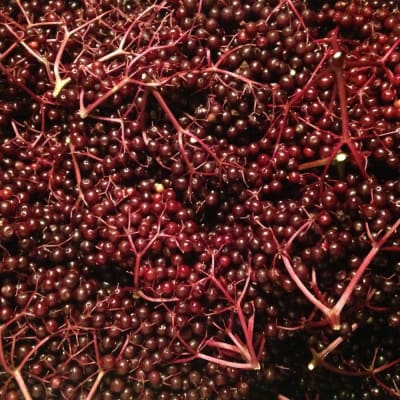
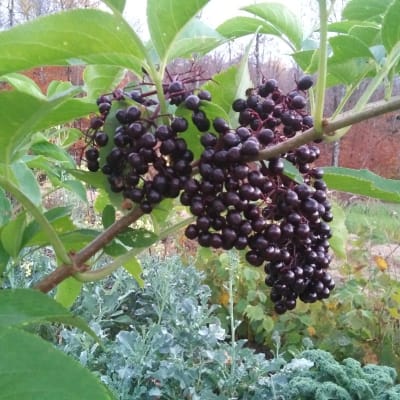
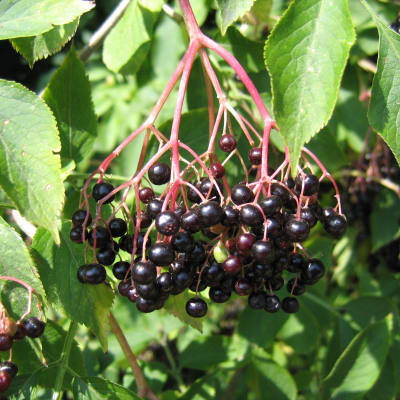
Sambucus canadensis 6-8' x same. Large clusters of large dark berries. High Brix level; great for winemaking. Upright, slightly spreading habit. Z4.
read more
Sambucus nigra 5-8' x 2-5'. Selected for juice production based on very high anthocyanin content and sweet flavor. Strong upright shoots. Z4/5.
read more
Hordeum vulgare Annual spring grain. Variety: ‘Quest.’ Suitable for cover-cropping, grain production, home brewing, or forage. Reliable, valuable feed grain for livestock.
read more
Hordeum vulgare Annual spring grain. Truly hulless variety, which makes for quick, easy, low-tech processing. Fast-growing, and competes well with weeds. Tolerates drought and heavy soils.
read more