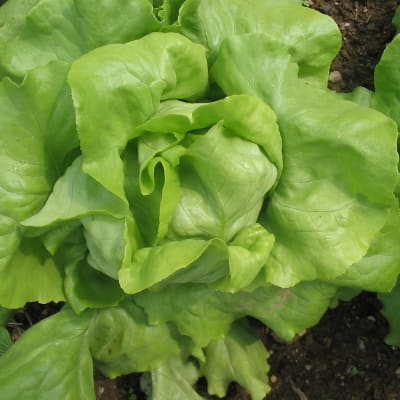
Lactuca sativa (58 days) Open pollinated. Thick medium-green leaves make a tight well-developed heart. Holds well in the field, a standout both for commercial growers and home gardeners.
read more
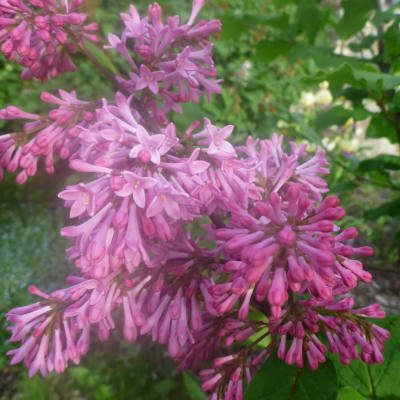
Syringa × tribrida 6-9' x same. Masses of dark reddish-pink buds open to lovely fragrant single deep pink blossoms after most other lilacs have faded. Plant as a specimen rather than in a hedge. Z3.
read more
Oregano oil formulation for control of internal parasites, especially coccidia. Bonus side effect: reduces methane emissions and improves feed efficiency in ruminants.
read more
Herbal blend. Preliminary research at California State U showed that Vermi-tox performed as well as injectable Ivermectin in reducing strongyle eggs in the feces just-weaned goat kids.
read more
Cucumis melo (70 days) F-1 hybrid. This unusual sweet and sour melon is tart, punchy and refreshing. Unlike most specialty melons, these are easy to grow and can reliably mature in Maine.
read more
The garden seems full of rocks until you need one to anchor the row cover! These galvanized steel staples neatly hold down landscape fabric, row covers, irrigation line or fencing.
read more
OMRI-listed heavy duty paper mulch! Made from reclaimed cardboard, 100% bio-based, biodegradable/compostable, it blocks weeds while preserving moisture and your conscience.
read more
OMRI-listed heavy duty paper mulch! Made from reclaimed cardboard, 100% bio-based, biodegradable/compostable, it blocks weeds while preserving moisture and your conscience.
read more
Thick commercial-grade polypropylene fabric that deters stubborn weeds. Will last at least a decade if protected by mulch. Allows water penetration. Very resistant to tearing.
read more
Thick commercial-grade polypropylene fabric that deters stubborn weeds. Will last at least a decade if protected by mulch. Allows water penetration.
read more
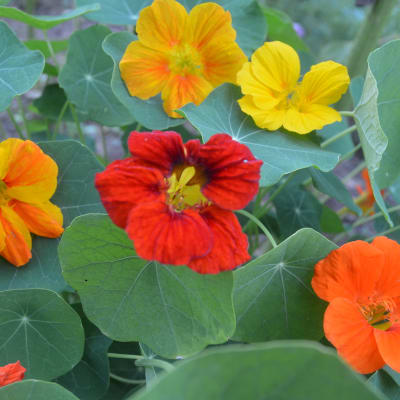
Tropaeolum majus (65 days) Open pollinated. Red, orange, gold and bicolor shades. Red blossoms spicier than lighter colors. Prolific blossom set. 4-6' tall.
read more
Urtica dioica Open pollinated. Perennial. Grows 3-6'. Young shoots and leaves are delicious steamed as spring greens, very high in minerals and protein.
read more
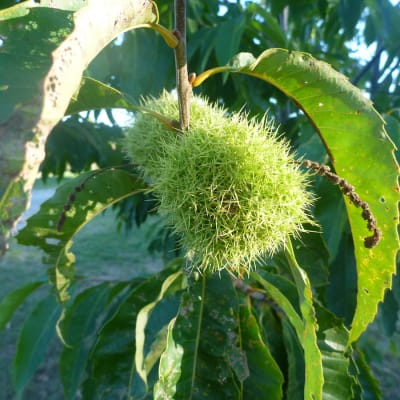
Castanea dentata Up to 100'. Once common in the eastern US. Important food source for people and wildlife. Not immune to blight but likely to thrive 10-30 years. Fast growing and precocious. Z4.
read more
Allium cepa (104 days) F-1 hybrid. (104 days) Long day. Large white globes lack the sharpness of other varieties. Delicious raw in sandwiches, salads and guacamole
read more
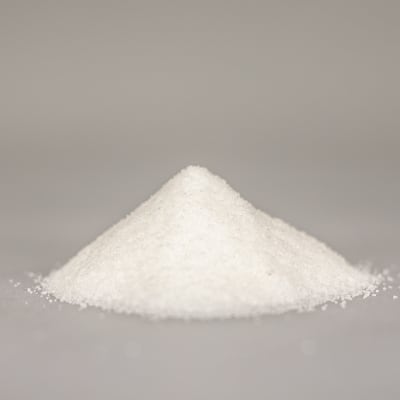
Safe, nontoxic, easy to use hydrogel formulation absorbs and holds water. The swollen crystals adhere to plant roots, reducing transplant shock. Useful for garden seedlings as well as woody plants.
read more
Contains all the key ingredients in the Holistic Spray recipe developed and recommended by Michael Phillips and the Holistic Orchard Network to enhance tree and fruit growth and help ward off disease.
read more
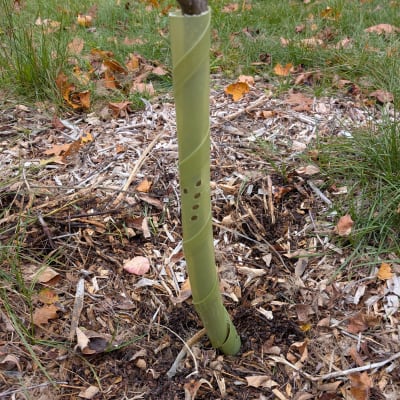
The commercial-strength rubber support lines in this kit allow the tree to sway slightly, just as nature intended, which promotes the growth of a strong and evenly distributed root system.
read more
Rubia tinctorum Open pollinated. Ancient and excellent source of red dye. Harvest roots after three years and grind to yield a wash- and light-fast red dye par excellence. 4' plants.
read more
Reseda odorata Open pollinated. Insignificant yellow-green blossoms grown for their enticing raspberry scent. Once common in Paris. Compact plants.
read more
Ageratina altissima Open pollinated. Flat-topped fuzzy clusters of small pure white disk flowers bloom August through October, attracting multiple species of bees, moths and butterflies.
read more
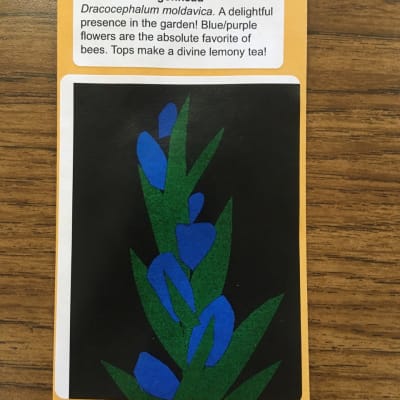
Dracocephalum moldavica (80 days) Open pollinated. Annual. Tea and medicine plant with purple-blue flower spikes that bumblebees love. 18" tall.
read more
Crataegus phaenopyrum 15-20' x 12-20'. Shrubby thorny low-branching dense tree. Used for centuries as a circulatory and cardiovascular tonic herb. Z4.
read more
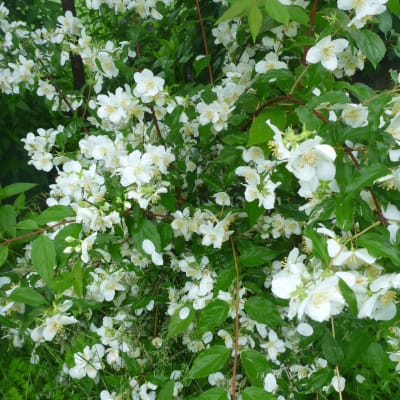
Philadelphus lewisii 4-5' x 3-4' Medium-sized loosely arching ornamental blooming shrub. A “blizzard” of sweet citrusy fragrance from white blossoms in late spring. Z3.
read more
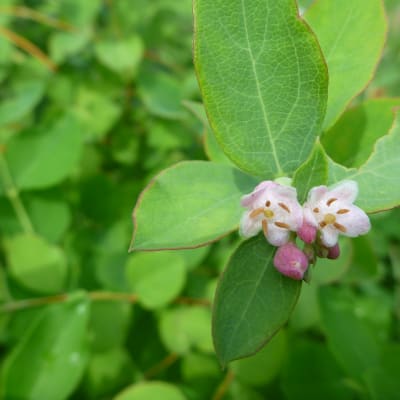
Symphoricarpos albus 5-6' x same. Wildlife and medicinal shrub native to eastern U.S. is quite beautiful all season. Berries are insipid to humans but adored by birds. Easy to grow and adaptable to most conditions. Z3.
read more
Hamamelis virginiana 8-20' x same. Small fall-flowering tree or large shrub. Brilliant golden-yellow fall color. Quirky yellow flowers in November. Z3.
read more
Arctium lappa (120 days) Open pollinated. Standard Japanese variety. Thin 1-2' long mild earthy root for stir-fries, soups and herbal medicine. Can be dug in spring with parsnips.
read more
Petroselinum crispum (88 days) Open pollinated. Nutty-flavored nearly foot-long root for soup and specialty cooking. Also produces edible flat parsley leaves.
read more
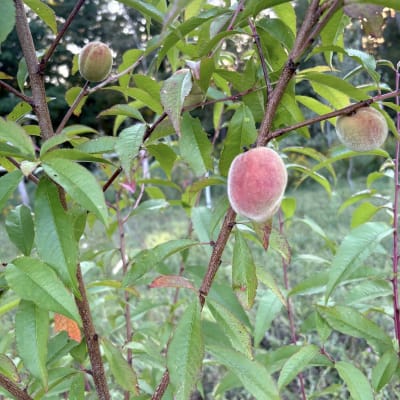
Prunus persica Very late-ripening fruits are white-fleshed, sweet and tart, best for juicing and drying. Long prized as a cold-resistant dwarfing rootstock and gaining popularity for it tasty fruit. Z3.
read more
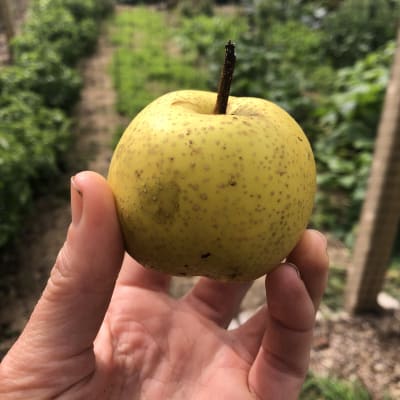
Pyrus pyrifolia Late summer. Medium-sized Asian pear, with little to no russeting. White crisp flesh. Keeps about three months. Precocious and productive tree. Disease resistant. Z4/5.
read more
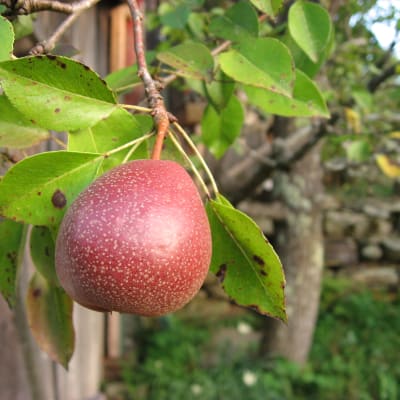
Pyrus communisThis is a twig for grafting. Fall. Distinctive sweet rich spicy buttery flavor. Melting juicy tender white flesh. Bears huge crops annually. Good pollinator for other varieties. Z4.
read more
Pyrus communis Winter. Intensely sweet highly aromatic tender storage pear; possibly the best eating of all winter pears. Similar to Seckel. Keeps extremely well. Z4.
read more
Pyrus communisThis is a twig for grafting. Late fall-winter. Frankendorf, Germany. Coarse flesh, good flavor. Great storage pear. Can keep until April in the root cellar. Z4.
read more
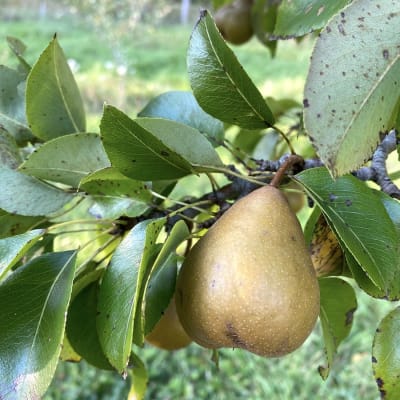
Pyrus communisThis is a twig for grafting. Late summer. Small obovate yellowish-brown russeted pear with slight red blush. Often considered the best-flavored of all pears. Good fresh and cooked. Z4.
read more
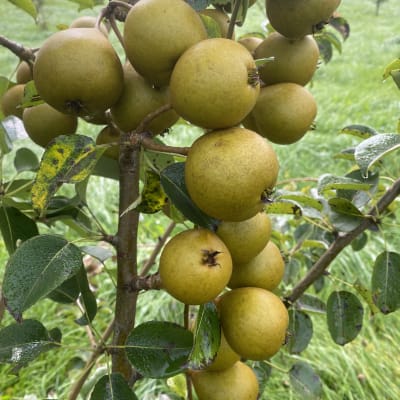
Pyrus communis Fall. Mild-bittersweet perry pear. Fruits easily shaken from tree when ripe. Low in acid and tannin and a great sweet addition to perry blends. Not for fresh eating. Z4.
read more
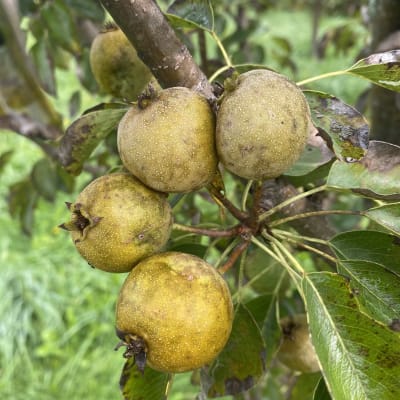
Pyrus communis Late fall. Bittersharp traditional English perry pear. Medium acidity, high tannin, everything you want for blending into perfect perry. Z4.
read more
Pisum sativum (65 days) Open pollinated. Standard mid-season variety, preferred by commercial growers for heavy yields and extreme weather tolerance. 3' vines.
read more