Brassica oleracea (acephala group) (60 days) Open pollinated. English heirloom. Extremely hardy and vigorous. Rounded slightly savoyed leaves are tender even when large.
Brassica napus (pabularia group) (55 days) Open pollinated. Cold hardy 18-28" purple and red-veined kale leaves grow frilly while remaining very tender. Good for bunches and mesclun mixes.
Brassica napus (pabularia group) (55 days) Open pollinated. Cold hardy 18-28" purple and red-veined kale leaves grow frilly while remaining very tender. Good for bunches and mesclun mixes.
For those who prefer the simplicity, aesthetic, and economy of plain wood for marking rows. Won’t last as long as our Treated Stakes, but will last for at least a full growing season. Made in M
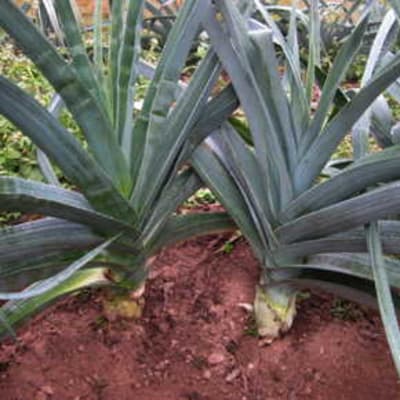
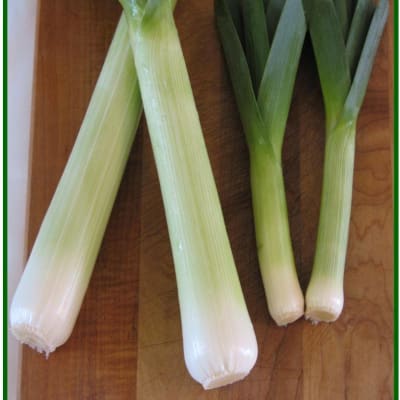
Allium ampeloprasum (porrum group) (84 days) Open pollinated. 6" tall, 3" thick shanks. Blue-green leaves. Very cold tolerant. A good candidate for overwintering.
Allium ampeloprasum (porrum group) (75 days) Open pollinated. Dual-purpose "summer" leek. Direct seeded: 50 to 60 days for bunching. Or transplant for full-size August harvest.
Lactuca sativa (51 days) Open pollinated. Combination of Batavian and romaine, with whorling thick succulent medium-green leaves. Tolerant of heat and rarely bitter.
Lactuca sativa (50 days) Open pollinated. Heirloom. Red butterhead. Dark green butterhead base is fully blushed carmine and pebbled with bronze and brown.
Lactuca sativa (48 days) Open pollinated. Compact tight uniform heads form upright rosettes for a clean market and salad harvest. Pebbled leaves shaded red and light plum on a green base.
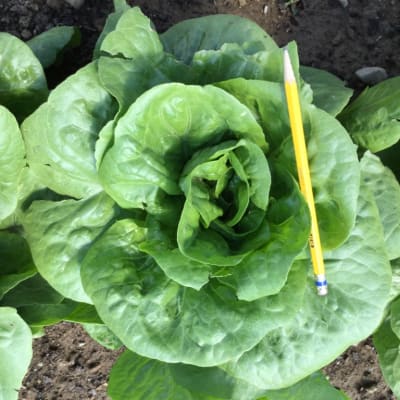
Lactuca sativa (58 days) Open pollinated. Thick medium-green leaves make a tight well-developed heart. Holds well in the field, a standout both for commercial growers and home gardeners.
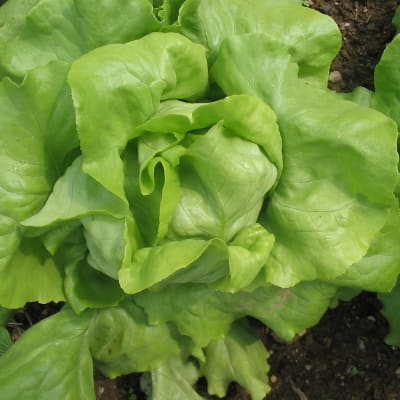
Lactuca sativa (52 days) Open pollinated. Large fancy fast-growing light-green butterhead lettuce. Bolts quickly in heat. Recommended for fall or overwintering where climate permits.
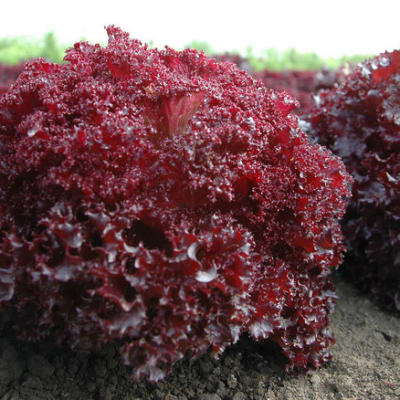
Lactuca sativa (56 days) Open pollinated. Beautiful compact Lollo-type has extremely dark purple-red leaves with ruffles and curls. Very mild flavor for type. Stays non-bitter longer.
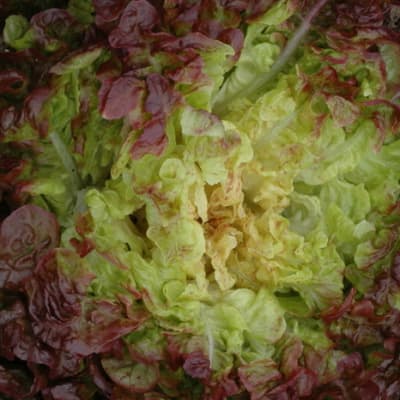
Lactuca sativa (51 days) Open pollinated. Large head with red ruffled leaves. Tender and sweet with almost no bitterness. Very bolt resistant and cold tolerant. Popular with market growers.
Lactuca sativa (54 days) Open pollinated. Beautiful troutback/oakleaf cross, with rich lime-green oakleaves showing dark speckles. Excellent flavor and texture.
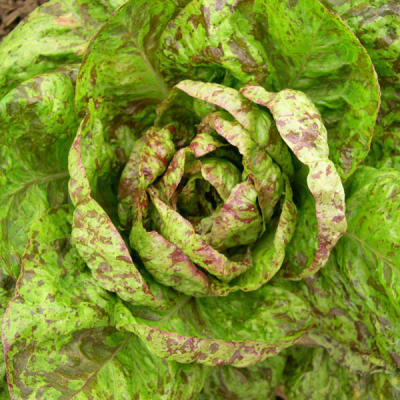
Lactuca sativa (56 days) Open pollinated. German heirloom. Attractive romaine has deep green leaves flecked with wine-red splotches. Excellent flavor and decent heat tolerance. Bestseller.
Lactuca sativa (56 days) Open pollinated. German heirloom. Attractive romaine has deep green leaves flecked with wine-red splotches. Excellent flavor and decent heat tolerance. Bestseller.
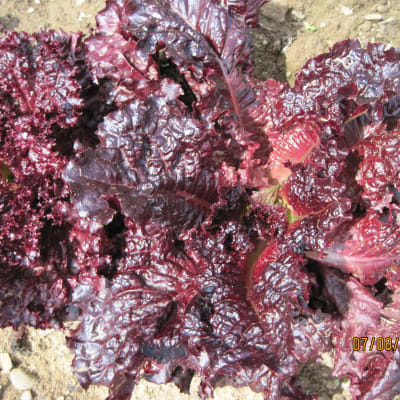
Lactuca sativa (67 days) Open pollinated. Deep dark red leaves with contrasting pink veins, and a smidgen of green in the center. Tall upright 8" heads.
Lactuca sativa (51 days) Open pollinated. Best of the speckled types. Dark green ruffled leaves mottled with maroon-red spots. Sweet juicy veins, blushed pink heart. Poor heat tolerance.
Lactuca sativa (44 days baby, 63 days mature) Open pollinated. From England. Compact Winter Density-type mini-romaine with very deep purple-red leaves. Very cold tolerant, decent heat tolerance.
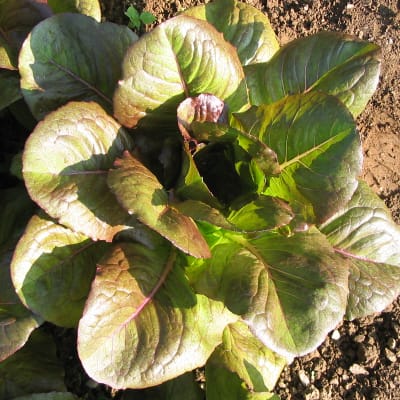
Lactuca sativa (65 days) Open pollinated. French heirloom. Semi-romaine head with deep red outer leaves. Green inner leaves with bronze tips. Excellent cold tolerance, good for overwintering.
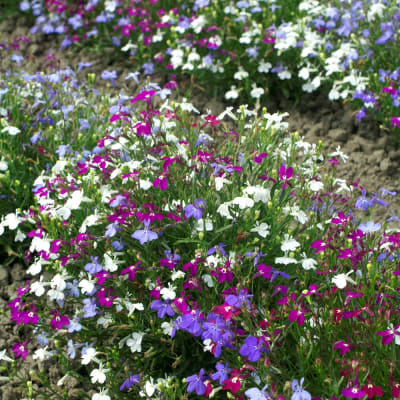
Lobelia pendula (60 days) Open pollinated. Very uniform tiny lush flowers bloom continuously from early summer to early fall to grace your garden, window boxes and hanging baskets. Annual.