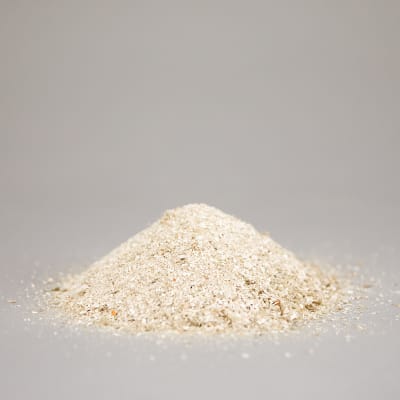
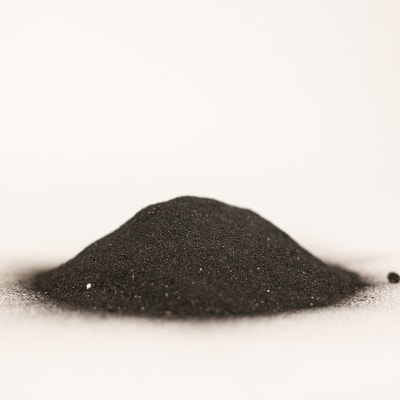
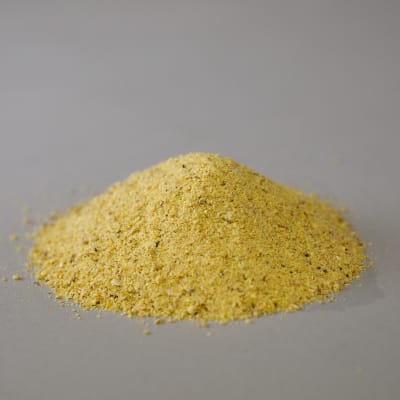
NPK: 4-4-0 avg. 18% Ca avg. A macronutrient-rich byproduct of crab processing. Will help you grow massive specimens of field-grown cannabis. Improves lodging resistance and reduces branch breakage.
NPK: 13-0-0. One of the fastest release times of all organic nitrogen sources. Highly recommended for corn. The smell (understandably) freaks out deer. Use as a side-dressing or till into soil.
NPK: 13-0-0(apx). Provides a strong and quick release of nitrogen. Apply in the row at planting time for sweet corn, melons, brassicas and other heavy feeders. Not water-soluble.
NPK: 0-16-0. Provides large amounts of readily available phosphorus. A most economical source of P for deficient soils. May be applied without restrictions to organically certified fields.
NPK: 5-4-3 (with 9% Ca). Composted and processed poultry litter provides a good balance of major plant nutrients and other essential elements. Pasteurized to neutralize weed seeds and pathogens.
NPK: 7-1.5-1 avg. Effective and economical nitrogen fertilizer for Northeast soils. High levels of nitrogen and potassium are released as soybean meal breaks down, providing fertility over time.
Natural phosphorus source. Adequate phosphorus results in more vigorous early root formation, better flower and seed production, better growth in cold temperatures, and better water use efficiency.
NPK: 6.9-11.9-0.8 avg. Excellent source of nitrogen and phosphorus. Use as a sidedressing or mix into compost to provide added nitrogen and a bacterial boost. A byproduct of wild-caught fish.
Recommended by soil gurus Phil Callahan and Mark Fulford. Lowest concentration of heavy metals of any phosphate source. Concentrations of available phosphate were regularly over 6% when tested.
A good source of immediate potassium for depleted soil and of magnesium where calcium is abundant. Alliums like its sulfur and potatoes like its quick boost of potassium.
NPK: 2-2-2. 16% Chitin. Nourishes chitin-feeding bacteria and fungi, which in turn devour gnat eggs and root-feeding nematodes. Also fortifies plants’ cell walls, and fosters healthy blooms.
NPK: 0.5-0.5-0.3 apx, plus trace minerals. Worm castings limit plant disease and have beneficial effects including enhanced mycorrhizal activity and the suppression of parasitic nematodes.