Lactuca sativa (51 days) Open pollinated. Combination of Batavian and romaine, with whorling thick succulent medium-green leaves. Tolerant of heat and rarely bitter.
read more
Lactuca sativa (51 days) Open pollinated. Large head with red ruffled leaves. Tender and sweet with almost no bitterness. Very bolt resistant and cold tolerant. Popular with market growers.
read more
Lactuca sativa (51 days) Open pollinated. Best of the speckled types. Dark green ruffled leaves mottled with maroon-red spots. Sweet juicy veins, blushed pink heart. Poor heat tolerance.
read more
Callistephus chinensis (110 days) Open pollinated. Irresistible bicolor 2–3" peony-type blooms of iridescent white and purple. Bred for uniform height and bloom time.
read more
Actinidia arguta Female. Also called Ananasnaya. Tangy and sweet pineapple-like taste. Heavy yields are late to ripen. Requires Meader male for pollination. Z4.
read more
Actinidia arguta Female. Medium-sized bright green fruits with excellent flavor. Very productive and reliably hardy. Requires Meader male for pollination. Z4.
read more
Actinidia arguta Female. Sweet and luscious kiwi, a combination of sweet and sour. Larger than other varieties. Requires Meader male for pollination. Z4.
read more
NPK: 2-2-2. 16% Chitin. Nourishes chitin-feeding bacteria and fungi, which in turn devour gnat eggs and root-feeding nematodes. Also fortifies plants’ cell walls, and fosters healthy blooms.
read more
Malus spp. This is a twig for grafting. Fall-winter. Aromatic dry fruit historically used for mincemeat. Recommended for drying. Shaped like a sheep’s nose! Good keeper. Z4.
read more
Malus spp. Fall. An offspring of Frostbite and Chestnut apples. This russeted dessert apple is small, but packs a lot flavor. We eat them raw or baked whole rolled in cinnamon and sugar. Z4.
read more
Malus spp. This is a twig for grafting. Summer. Nice balance of tart and sweet. Crisp and juicy fresh-eating; fine cooking. Disease-resistant; scab immune. Z4.
read more
An approachable botany textbook and herbal field guide to North American plants with colorful illustrations on nearly every page. Regularly updated by the author since its release in 1996.
read more
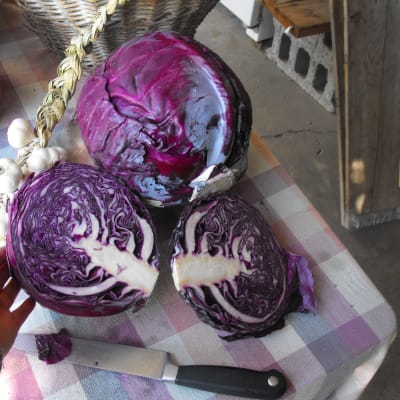
Brassica oleracea (capitata group) (105 days) Open pollinated. Compact deep-burgundy red heads are excellent raw, cooked or fermented. In good storage they'll keep till March.
read more
Daucus carota (68 days) Open pollinated. Uniform cylindrical 7" roots with unusually good interior color, crisp texture and fine flavor. Holds well; an excellent keeper too.
read more
Allium schoenoprasum (80 days) Open pollinated. Hardy perennial. 1-2' dark blue-green leaves are medium-fine, long and slender. Lilac-colored flowers bloom in June and July.
read more
Metasequoia glyptostroboides 100'. A spectacular ornamental tree! Wide trunk with iridescent golden-orange bark and bright green deciduous needles turn orange in the fall. Highly adaptable. Z4.
read more
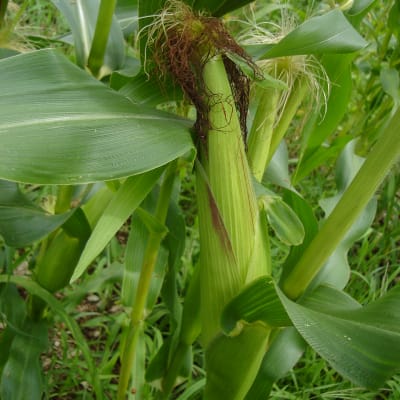
Zea mays (72 days) Open pollinated. Bred by Fred Ashworth. 5' stalks, 6-7" yellow ears, good flavor. Harvest at milk stage; does not hold in the field. Starts well in cool soil.
read more
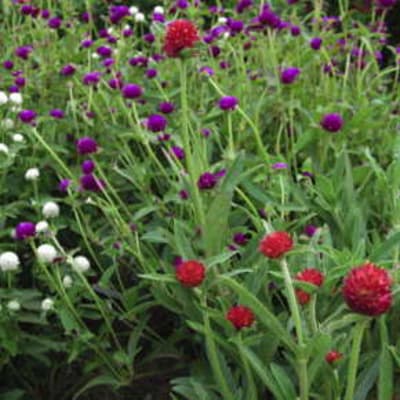
Gomphrena globosa Open pollinated. Beautiful round clover-like 1" purple flowers on 2' stems perfect for drying. Also enjoyable as bedding plant.
read more
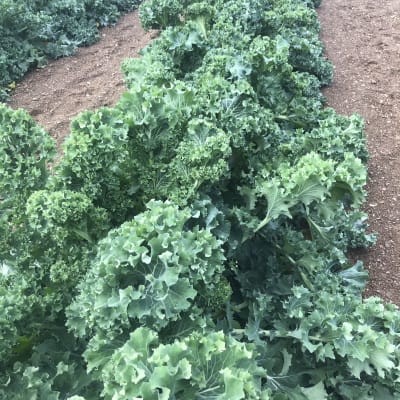
Brassica oleracea (60 days) Open pollinated. This kale is a Maine celebrity! Overwinters for many and self sows with gusto. Tender all summer.
read more
Actinidia arguta Fruitless male kiwi suitable for pollinating arguta females Anna, Geneva 3 and Michigan State. Will not pollinate kolomiktas. Z4.
read more
Lobelia cardinalis Open pollinated. This gorgeous wetland native wildflower and hummingbird magnet can be grown in moist garden soils or meadows. 2–4' tall
read more
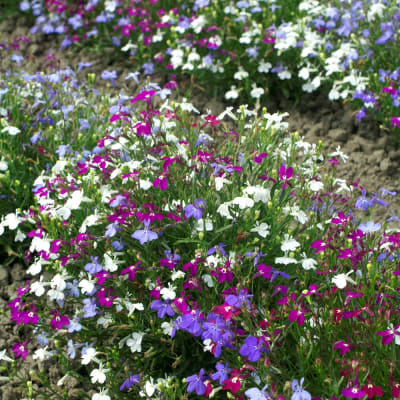
Lobelia pendula (60 days) Open pollinated. Very uniform tiny lush flowers bloom continuously from early summer to early fall to grace your garden, window boxes and hanging baskets. Annual.
read more
Lupinus polyphyllus Open pollinated. Genetics determine that blues will dominate in lupine mixes. Revitalize your patch with a new burst of red.
read more
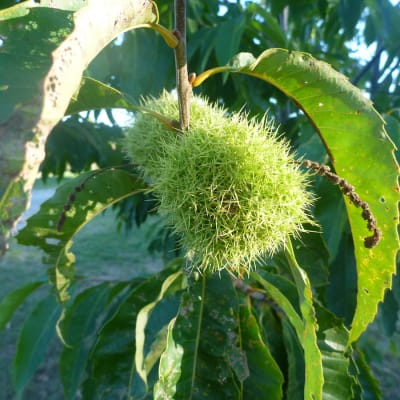
Castanea dentata Up to 100'. Once common in the eastern US. Important food source for people and wildlife. Not immune to blight but likely to thrive 10-30 years. Fast growing and precocious. Z4.
read more
Carya laciniosa 60-80' × 40-60'. Tall nut tree of bottomlands and floodplains. Resembles shagbark hickory but with less shaggy bark. Native. Z5.
read more