Myrica pensylvanica Waxy blue skin. 5-10' × same. A common sight along Maine’s rocky shores. Fragrant glossy deep green leaves and small waxy berries. Fixes nitrogen and feeds wildlife. Z2.
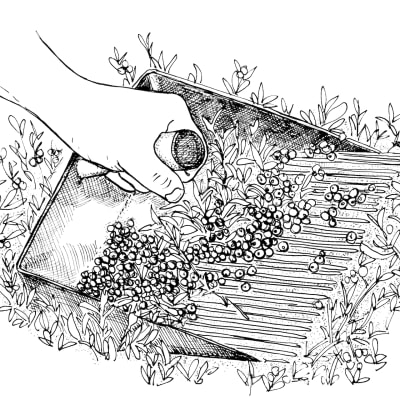
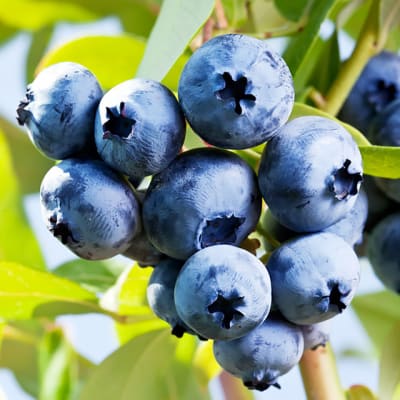
Myrica pensylvanica Waxy blue skin. 5-10' × same. A common sight along Maine’s rocky shores. Fragrant glossy deep green leaves and small waxy berries. Fixes nitrogen and feeds wildlife. Z2.
Arctostaphylos uva-ursi 6-10". Low-growing evergreen native groundcover. Can sprawl to 15'. Pinkish-white flowers in spring. Small red berries persist into winter. Z2.
Cephalanthus occidentalis 6-10' × 8'. Loose rounded branchy shrub with masses of ornamental blooms that appear 4–6 weeks in summer. Attractive to pollinators. Z4.
Halesia carolina 20-40' × 15-30'. Small tree or large multi-stemmed shrub. Edible flowers and fruit. Beautiful addition to woodland gardens! Native to Appalachia. Z4.
Rubus odoratus 3-6' × 6-12' Native relative of the cultivated raspberry, with fragrant flowers and nutritious fruit. Thornless, long-blooming, attractive to pollinators and wildlife. Z4.
Diervilla lonicera 2-4' × 2-5'. Clusters of yellow tubular flowers attract pollinators. Lustrous green leaves emerge with a hint of bronze. Good for erosion control. Z3.
Rhododendron groenlandicum 1-2' × 2-3' Low-growing native evergreen twiggy shrub with leathery leaves and fuzzy white flower clusters. A must-have for Zone 2 plant enthusiasts.
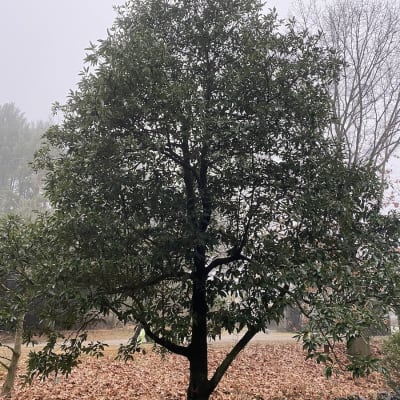
Magnolia virginiana 10-20' × same. Fragrant creamy white 2”3" waxy blossoms in mid-spring sometimes rebloom in mid-summer. Pink fruits adorn the tree in fall. Tolerates clay and air pollution. Z5.
Philadelphus lewisii 4-5' × 3-4' Medium-sized loosely arching ornamental blooming shrub. A “blizzard” of sweet citrusy fragrance from white blossoms in late spring. Z3.
Ceanothus americanus Small compact shrub fixes nitrogen and attracts pollinators. Leaves historically used as tea and medicine. Grows in poor soils. Native to N. America. Z4.
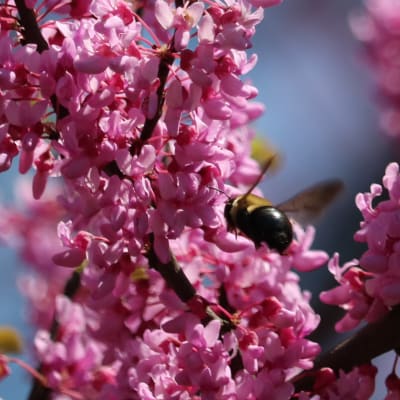
Cercis canadensis 25-30' × same. Small vase-shaped ornamental tree. Clusters of brilliant edible purplish-pink pea-like flowers fill the entire tree in spring. Z4/5.
Amelanchier laevis 15-25'. Leaves of this understory tree unfold purplish-orange bronzed color in spring. Pendulous white blossoms. Berries ripen midsummer. Z2.
Clethra alnifolia 4-5' × same. Red buds and beautiful spires of heavenly scented deep-pink flowers appear for 6 weeks in midsummer. Erect oval habit. Z3.
Ilex verticillata Bright-red berries stand out through the winter, providing late-spring forage for birds. A staple of the Maine landscape. Unsexed seedlings, plant several for berries. Z4.
Gaultheria procumbens 6-10". Aromatic evergreen native groundcover. Glossy dark green leaves. Bell-shaped white flowers in June. Vivid red berries. Self-pollinating. Z3.
Hamamelis vernalis 6-10' × 6-15'. Late-winter bloomer. Similar medicinal properties to fall-blooming Witch Hazel. Great for forcing indoors. Native to the Midwest. Z4/5.
Diospyros virginiana 35-60' × 20-35'. Native tree produces edible orange fruit used in pies, jams and jelly. Fruit is best after a frost. Plant two or more for fruit. Z4/5.
Prunus americana 15-20' The best pollinator for hybrid plums. Very decent red, yellow and orange 1" plums, suitable for fresh eating, canning and freezing. Z3.
Prunus nigra Late summer, yellow flesh. Yellow flesh is sweet and juicy, good for eating right off the tree, in jams, chutney, tarts or infused in vodka! Tree is upright, spreading and a prolific annual bearer. Very cold hardy. Z3.
Rosa carolina 2-4' × same. Single pink 5-petaled flowers emerge May-June. Small red hips in fall. Found along streams, roads and open woods throughout New England. Full sun to partial shade. Native. Z4.
Salvia azurea 3-5' tall. North American native with delicate spires of sky-blue tubular double-lipped flowers and sweetly scented foliage. Incredible in mixed bouquets. Blooms from August to October. Z4.
Betula alleghaniensis 60-75' × 40-50'. Deep golden-yellow exfoliating bark glows with a satiny sheen. Twigs make a wonderful tea. Shade-tolerant and adaptable. Native to eastern N. America. Z3.
Catalpa speciosa 40-60'. Dense foliage of heart-shaped leaves provides excellent shade. Incredibly fragrant jasmine-scented white blossoms. Grows rapidly. Attracts pollinators. Native to central U.S. Z4.
Acer saccharum 50-100'. Largest of our native maples. Colorful fall foliage. Valued for shade, syrup and lumber. Boil sap to make real maple syrup. Z3.
Quercus macrocarpa 70-80' × same. Hardiest of the white oaks with a deeply grooved massive trunk and a wide-spreading crown. Dark green foliage. Large fringed acorns. Z3.
Quercus rubra 60-75' × 45'. The most common oak in northern New England. Magnificent open rounded crown. Fast growing. Tolerant of different conditions. Z4.
Platanus occidentalis 75-100' × same. Extraordinary native shade tree. Trunks and stems are strikingly mottled. Remarkable against the winter sky. Z4/5.