Symphytum × uplandicum 24–48" tall. Great companion plant for orchards. Chop as mulch or add to the compost pile. Rich in silica, nitrogen, magnesium, calcium, potassium and iron. Z3.
Verbena hastata 5-7' tall. Native wildflower with vibrant blossoms is a great pollinator plant. Used as a nervous-system tonic and mild sedative. Thrives in wet places. Z3.
Eupatorium perfoliatum 5-7' tall. Flat-topped clusters of white to lavender flowerheads. Stimulates the immune system. Fetching addition to the perennial border. Z3.
Symphytum officinale 24-48" tall. Famous for skin-soothing properties. Good orchard companion plant, but spreads vigorously. Choose site with care. Z3.
Thymus vulgaris 10-15" tall. Fragrant sprawling perennial brings depth of flavor to soups, gravies, casseroles. Said to calm the nerves, soothe headaches. Bees love it! Z4.
Origanum vulgare 18-20" tall. Fragrant green and purple leaves used for culinary purposes. Given plenty space in full sun, it sprawls and is attractive to pollinators. Z4.
Urtica dioica 3-6' tall. Young shoots are high in minerals and leaves are delicious steamed as early spring greens. Cooking removes the sting. Spreads readily; choose your site carefully. Z2.
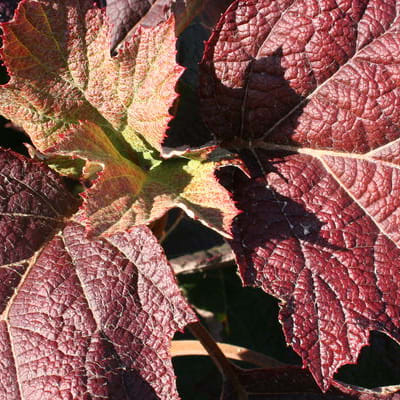
Actaea racemosa 5-7' tall. Long arching racemes of creamy white serpentine flower spikes in midsummer. Medicinal. Woodland native and pollinator powerhouse. Z3.
Pycnanthemum virginianum 24-36" tall. Makes a tasty minty tea traditionally used to settle indigestion. Spreads readily. Densely flowered, attractive to pollinators. Native. Z4.
Acorus americanus 24-36" tall. Water-loving bog plant with broad sword-like foliage that smells sweetly of citrus and vanilla when crushed. Roots traditionally used as an aromatic bitter for digestive upsets. Z3.
Viola sororia 6-10" tall. North American native with cheery blue-purple flowers and attractive heart-shaped leaves, all edible. Larval host plant for multiple species of butterflies. Z3.
About medicinal herbs: Archeological evidence dates the medicinal use of herbs back 60,000 years to the Neanderthals. 85% of the world’s population employ herbs as medicines, and 40% of pharmaceuticals in the U.S. contain plant-derived materials. Fewer than 10% of higher plant species have been investigated for their medicinal components. Interest in traditional herbal remedies continues to grow.
Statements about medicinal use of plants have not been evaluated by the FDA, and should not be used for the diagnosis, treatment, cure or prevention of any ailment. Before using or ingesting any medicinal plant, consult a healthcare practitioner familiar with botanical medicine.
Takinagawa Burdock and Resina Calendula, as well as oats, mammoth red clover and alfalfa in the Farm Seed section, also have medicinal uses. Medicinal herbs such as black cohosh, licorice, and many more are available as plants, and shipped in the spring with orders from our perennial plants warehouse.
Culture: Some herbs are customarily grown from divisions because they cannot come true from seed, such as scented thymes and flavored mints. Some require fall sowing of fresh seed, such as sweet cicely and angelica.
Using herbs: Drying herbs at home is not difficult. Whole leaves retain their flavor at least a year. To substitute fresh herbs for dried in cooking, use triple the dried quantity called for in a recipe.