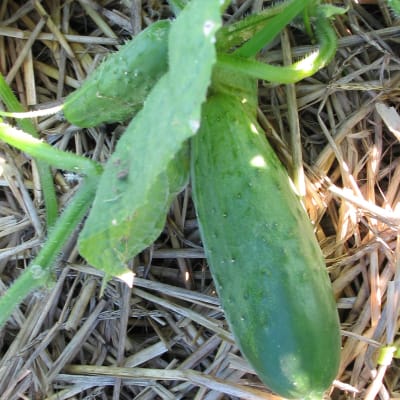
Cucumis sativus (52 days) Open pollinated. Classic pickler. Dark green fruit with black spines. Non-bitter. Used for small pickles and dills. Long harvest window.
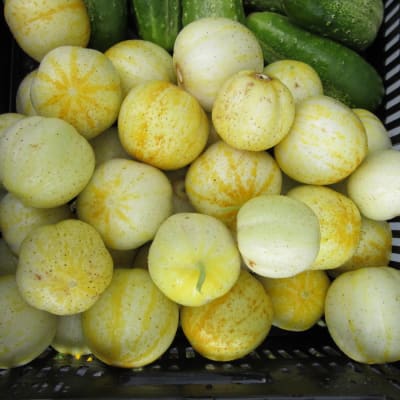
Melothria scabra (65 days) Open pollinated. Vigorous but delicate climbing vine. Profuse bearing of 1" oblong green and white fruits. Eat fresh or pickled.
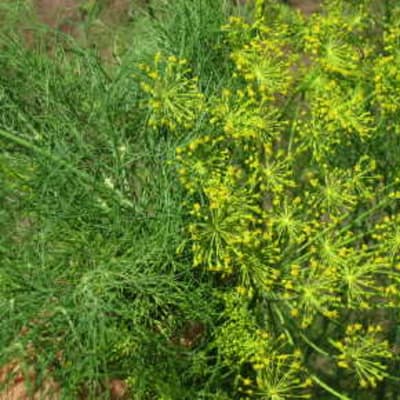
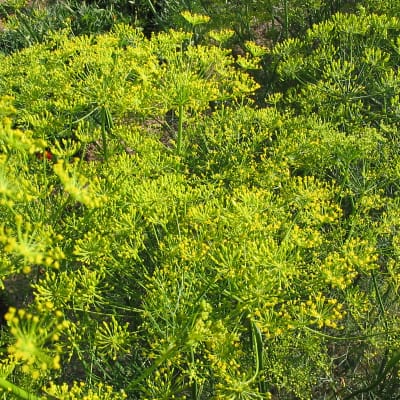
Anethum graveolens Open pollinated. Variety generally grown for its seeds. Can also be used as dill weed, but the foliage is slightly darker, coarser and stronger-tasting than that of Bouquet.
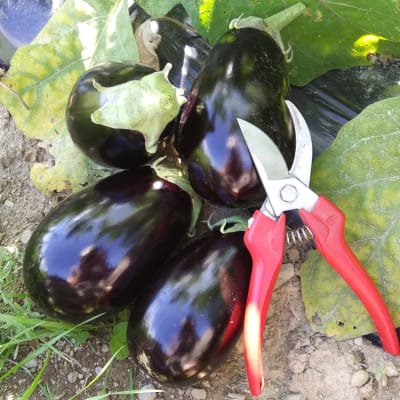
Solanum melongena Dark purple skin. (75 days) F-1 hybrid. Dark purple 7-8"tapered half-long bell-shaped fruit with a thornless light green calyx. Early and productive.
Cucurbita pepo var. ovifera (95 days) Open pollinated. Eight kinds of early-maturing types, with small spoon, bicolored pear and small orange most prevalent.
Lagenaria siceraria Tan skin. (120 days) Open pollinated. Large gourd with bulbous base and narrow neck. Fruit can grow 14" tall and 12" in diameter. Start indoors.
Lagenaria siceraria Tan skin. (120 days) Open pollinated. Dark green skin with pale green splotches. Round 8-10" base tapers into a long neck capped by a small bulb near the stem to make the swan’s head.
Luffa aegyptiaca Green skin. (110 days) Open pollinated. Used to make sponges and scrubbies. Also edible when harvested young. Requires a long season; start indoors.
Cucurbita pepo var. ovifera Green-dipped yellow skin. (100 days) Open pollinated. A vivid mix of greens, yellows, creams and whites on straight and curved necks, all with double sets of wings and fins.
Lupinus mutabilis (130 days, longer to seed) Open pollinated. “Lost” crop of the Incas. Wild-looking 3' lupine native to the high Andes. Attractive, many-colored flowers. Protein-rich seeds.
Eruca sativa (47 days) Open pollinated. Great-tasting musky greens. Bolt resistant strain. Cold tolerant, great for early spring, late fall, over-wintering.
Diplotaxis erucoides (21 days baby, 50 days mature) Open pollinated. Wild Arugula. Deeply lobed dark green narrow leaves. Excellent for cold-season salads, but also shows good summer endurance.
Cichorium intybus (60 days) Open pollinated. Savory Italian chicory with deeply toothed red-veined leaves. Best in cool weather, can become bitter in heat.
Cichorium intybus (80 days) Open pollinated. Italian heirloom grown for its fused stems which form a swollen bulb. Sweet stalks eaten in salad or cooked.
Rumex acetosa (60 days) Open pollinated. Thick sword-shaped lemony-flavored leaves picked when young and tender. A special treat in early spring. Perennial hardy to Z3.
Cichorium intybus (80 days) Open pollinated. White-veined leaves turn from green to variegated burgundy red in cool weather. Romaine-shaped heads. Best for fall crops.
Valerianella locusta (60 days) Open pollinated. Heirloom. Vigorous large-leaf type of staple salad green. Best for sowing in spring for early summer harvest.
Brassica oleracea (acephala group) (60 days) Open pollinated. Smooth glossy “greasy” greens are delicious steamed. Most delectable early in the season, or late after a nip of frost.
Brassica oleracea (acephala group) (61 days) Open pollinated. Florida heirloom. After frost, develops beautiful white ribs that contrast with yellow-green leaves.
Brassica oleracea (acephala group) (62 days) Open pollinated. Italian heirloom also known as Lacinato and Tuscan Black. Very dark green wrinkled, pebbled sturdy leaves extend like palm fronds from stalk.
Brassica oleracea (gongylodes group) Green skin, white flesh. (58 days) Open pollinated. Central European heirloom. Green kohlrabi with short tops and medium stems. White interior is crisp, tender, pungent.
Lavandula angustifolia Open pollinated. More compact habit than common Lavender with deeper green leaves and a more powerful, less sweet, aroma. 1' plants have bold clustered flower spikes with deep color from mid-July to early September.