Eutrochium purpureum 4-6' tall. Massive vanilla-scented pinkish-purple domed flowers in midsummer. Often found in average to dry woodland edges. Z3.
read more
Brassica oleracea (gongylodes group) (130 days) Open pollinated. Czechoslovakian heirloom. Green kohlrabi can exceed 10" and 10 lb without getting woody. Crisp white interior is mildly tangy.
read more
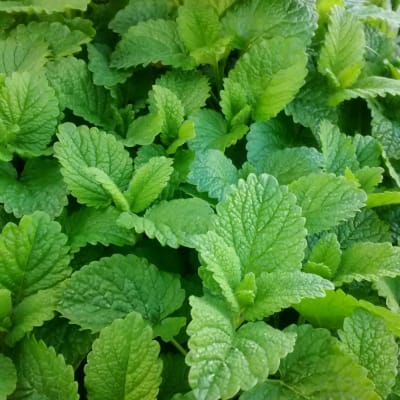
Melissa officinalis 18-24" tall. Lemony leaves are delicious in teas, salads, with fruit or dried for sachets. Attractive to pollinators. Z3/4.
read more
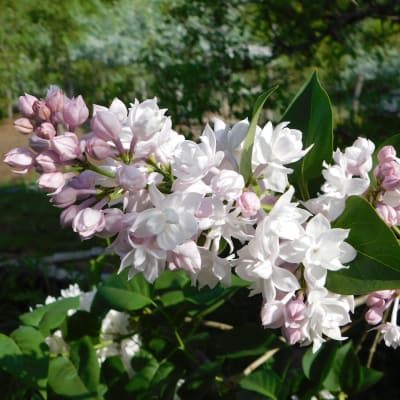
Syringa vulgaris 12x8'. Dazzling pearly lavender-pink buds open to delicate double light pink-shaded white flowers tinged with lavender. Long bloom period. Z3.
read more
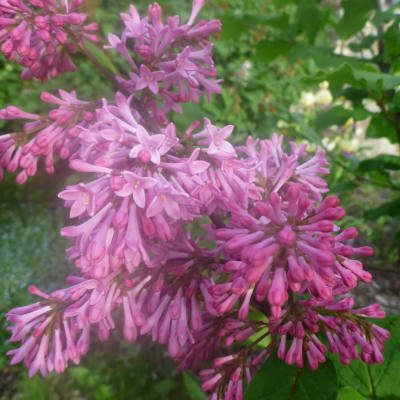
Syringa × tribrida 6-9' x same. Masses of dark reddish-pink buds open to lovely fragrant single deep pink blossoms after most other lilacs have faded. Plant as a specimen rather than in a hedge. Z3.
read more
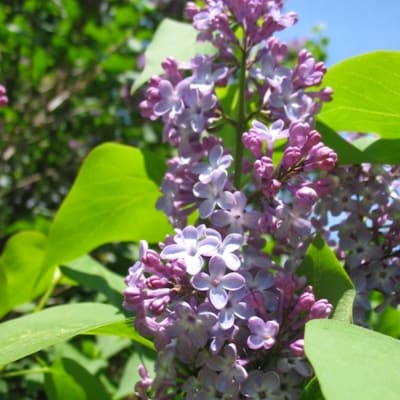
Syringa vulgaris 12-15' x same. A mass of medium-light purple blooms. A magnificent New England sight for nearly 400 years. The best lilac for a spreading hedge. Z3.
read more
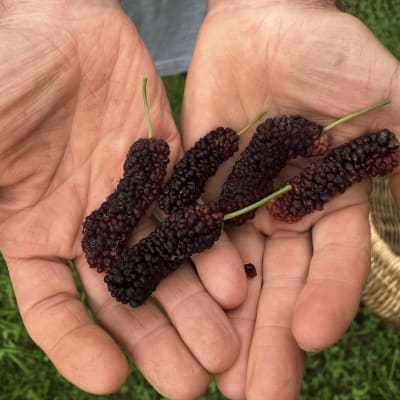
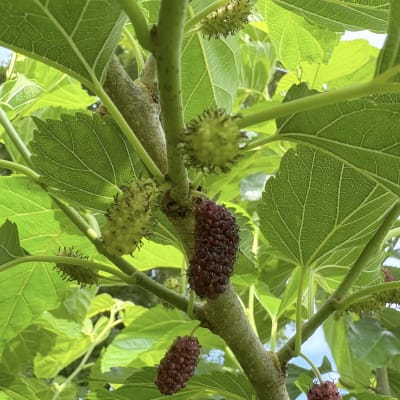
Morus hybrid 30x20' Cold hardy northern selection similar to Illinois Everbearing with larger fruit that ripens 2 weeks earlier. Very productive trees are great when you need a lot of fruit at once. Z4.
read more
Morus hybrid 30x20'. One of the hardiest mulberries! Tasty medium-sized fruit ripens over several weeks in midsummer. Self-fruitful grafted cultivar. Its mother tree is now more than 170 years old. Z3.
read more
Urtica dioica 3-6' tall. Young shoots are high in minerals and leaves are delicious steamed as early spring greens. Cooking removes the sting. Spreads readily; choose your site carefully. Z2.
read more
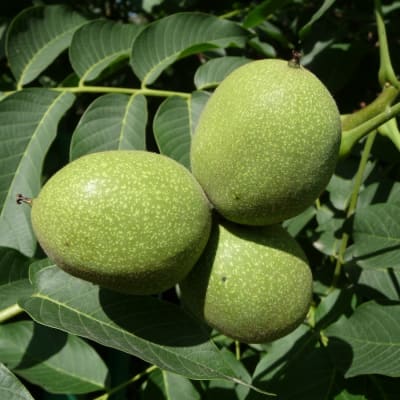
Juglans cinerea 40-60' x same. Very large impressive shade tree with broad open crown. Produces oblong edible nuts. Nice cabinet wood. Native. Z3.
read more
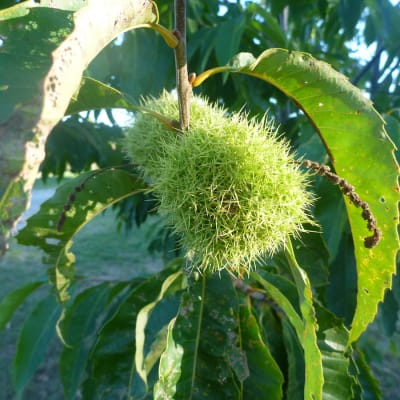
Castanea dentata Up to 100'. Once common in the eastern US. Important food source for people and wildlife. Not immune to blight but likely to thrive 10-30 years. Fast growing and precocious. Z4.
read more
Corylus spp. 8-12' × same. Hybrid crosses of mixed parentage, including European hazelnut. Nuts will likely be larger than those from other seedlings. Highly resistant or immune to filbert blight. Z3.
read more
Carya laciniosa 60-80' × 40-60'. Tall nut tree of bottomlands and floodplains. Resembles shagbark hickory but with less shaggy bark. Native. Z5.
read more
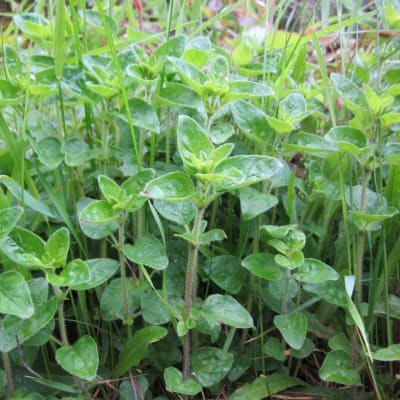
Origanum vulgare 18-20" tall. Fragrant green and purple leaves used for culinary purposes. Given plenty space in full sun, it sprawls and is attractive to pollinators. Z4.
read more
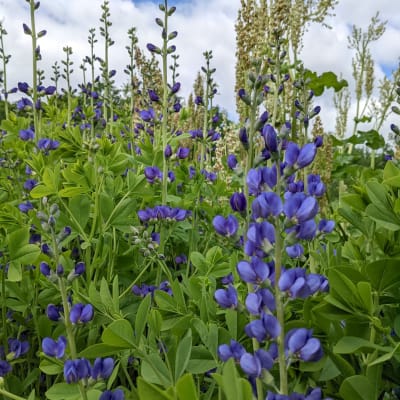
Baptisia australis 3-4' x same. Vibrant blue lupine-like flowers in early summer. Bushy habit and shrub-like structure once mature. Good for erosion control. Z3.
read more
Amsonia tabernaemontana var. salicifolia 24–36" tall. Fine grassy willow-like foliage. Clusters of powder-blue florets in early summer. Best planted en masse. Z3.
read more
Echinops ritro 3–4' tall. Luminous steel-blue spiky spheres on stiff stems with silvery green leaves. Excellent for fresh or dried arrangements. Blooms mid-to-late summer. Z3.
read more
Oligoneuron rigidum 2-5' tall. The gorgeous yellow-gold vibrancy of goldenrod packed into a dense, showy, flat-topped cluster. Attractive lush slate-green foliage. Z3.
read more
Pulmonaria 9-12" tall and eventually up to 2' wide. Periwinkle-blue buds open to pink flowers in spring. Large slate-green leaves with silver-white splotches. Woodland plant. Z3.
read more
Astrantia 24-28". Clump-forming perennial makes an excellent groundcover when planted en masse. Makes long-lasting cutflowers and is also a great container plant. Z4.
read more
Eryngium yuccifolium 3-6' tall. Globe-thistle-like 1" greenish-white flowerheads. Subtle honey-like scent. North american native. Great for cutflower production. Z3.
read more
Chelone glabra 2–4' tall. Native wildflower blooms late along with the asters. A final feast for the bumblebees. Prefers moist soil, dappled light. Z4.
read more
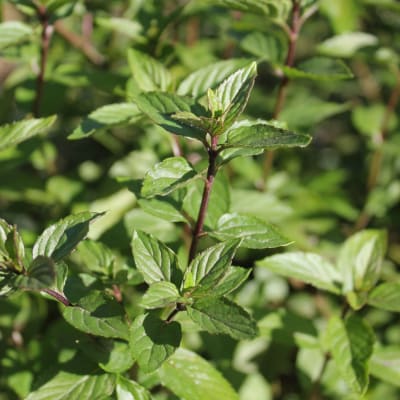
Mentha piperita 18-24" tall. Our favorite mint! Bright refreshing peppermint-patty flavor. Freshen your breath, settle your stomach and scent soaps and salves. Z4.
read more
Pycnanthemum virginianum 24-36" tall. Makes a tasty minty tea traditionally used to settle indigestion. Spreads readily. Densely flowered, attractive to pollinators. Native. Z4.
read more
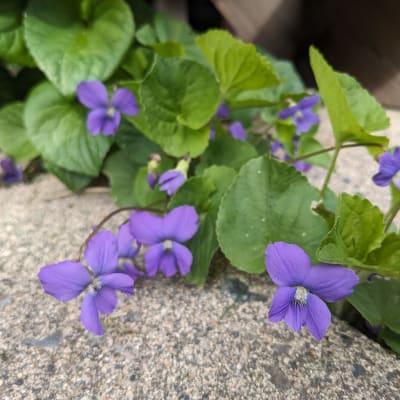
Viola sororia 6-10" tall. North American native with cheery blue-purple flowers and attractive heart-shaped leaves, all edible. Larval host plant for multiple species of butterflies. Z3.
read more
Cornus mas 20-25' x 15-20'. Bright red pear-shaped edible fruit. Each seedling will be unique. Will pollinate each other and any named cornelian cherry cultivar. Z4/5.
read more
Prunus tomentosa 6-10' x same. Broad dense highly ornamental fruiting shrub blooms early. Excellent hedge and edible landscape plant. Plant two or more for pollination. Z2.
read more
Calycanthus floridus 6-10' x 6-12'. Beautiful native shrub with dark burgundy-maroon flowers and shiny leaves. Blooms early, flowers through summer. Highly fragrant. Z4/5.
read more
Myrica pensylvanica 5-10' x same. A common sight along Maine’s rocky shores. Fragrant glossy deep green leaves and small waxy berries. Fixes nitrogen and feeds wildlife. Z2.
read more
Prunus maritima 6' × 5-6'. Rounded dense suckering shrub found along ocean beaches. Showy white blooms in spring. Edible plums in late summer. Plant two for fruit. Z3.
read more
Arctostaphylos uva-ursi 6-10". Low-growing evergreen groundcover. Can sprawl to 15'. Pinkish-white flowers in spring. Small red berries persist into winter. Self-pollinating. Z2.
read more
Cephalanthus occidentalis 6-10' x 8'. Loose rounded branchy shrub with masses of ornamental blooms that appear 4–6 weeks in summer. Attractive to pollinators. Z4.
read more
Prunus glandulosa 5-6' x 3-4'. An early spring spectacle of pink double flowers. Branches are nearly covered with the impressive blooms ranging all shades of pink. Z4.
read more
Forsythia 6-8' x 5-7'. One of the earliest cultivars to flower in spring. Outstanding golden-yellow flowers. Upright form. Hardy and dependable. Z3.
read more
Diervilla lonicera 2-4' x 2-5'. Clusters of yellow tubular flowers attract pollinators. Lustrous green leaves emerge with a hint of bronze. Good for erosion control. Z3.
read more