Cucumis sativus (58 days) Open pollinated. Slicer from the same line as Marketmore 76. Fruit is slimmer and darker, with improved yield and disease resistance.
read more
Cucumis sativus (63 days) Open pollinated. Maine heirloom. 3-4" short plump oval cream-white fruit with black spines. Excellent fresh eating.
read more
This simple pistol-grip punch is the new standard for punching holes in any size mainline, or for inserting drip tape fittings, spot emitters, or ¼" line with barb connectors.
read more
Echinacea purpurea 3-5' tall. Spiny seedheads are a beautiful coppery yellow-brown, surrounded by a single row of reflexed lavender-purple petals. Tinctured roots boost the immune system. Z3.
read more
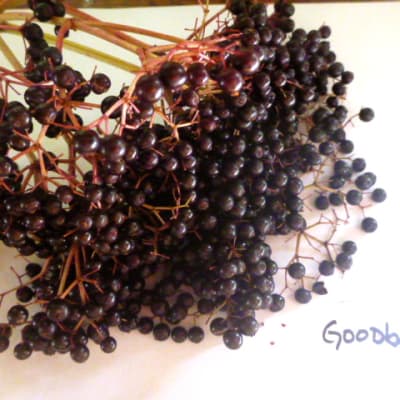
Sambucus canadensis 6-12' x same. Large elderberries and fruit clusters make for easy and fast picking. Very large vigorous strong productive bush. Z3.
read more
Sambucus canadensis 5-10' x same. Blooms heavily and produces large elderberry crops annually. Hardy, vigorous with apparent self-fertility. Z3.
read more
Fagopyrum esculentum Annual broadleaf. Excellent cover crop for outcompeting summer weeds. Makes tasty flour for pancakes or baked goods. Bees like its abundant nectar.
read more
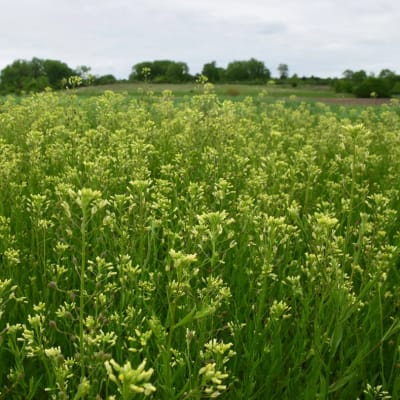
Camelina sativa Annual brassica. Widely adaptable and versatile winter-hardy cover crop and oilseed plant; tolerates poor conditions. Excellent nutrient scavenger. Sow when you would for winter rye.
read more
Trifolium repens Perennial legume. 8–12" tall. Fantastic nitrogen fixer with great protein and digestibility. Tall enough to be harvested for hay, silage, and green chop. Good choice for poorly drained soil.
read more
Cichorium intybus Perennial broadleaf, up to 18". Very high digestibility. Protein levels up to 50% higher than alfalfa. Stands may live 5 years or longer, but it’s also valuable for pasture or green chop.
read more
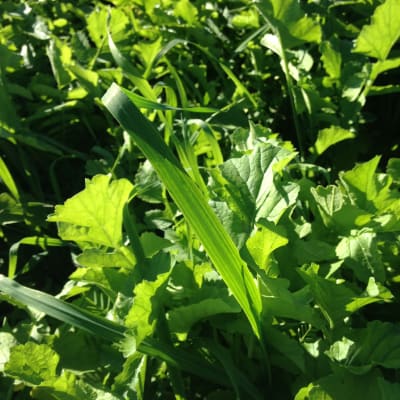
Lolium multiflorum Annual or winter annual grass. Extremely frost hardy. Widely adaptable. Will establish quickly in cool wet spring weather, providing a dense cover crop and outcompeting weeds. Good erosion control.
read more
Lolium multiflorum Annual or winter annual grass. Extremely frost hardy. Widely adaptable. Will establish quickly in cool wet spring weather, providing a dense cover crop and outcompeting weeds. Good erosion control.
read more
Phleum pratense Perennial grass. A popular perennial hay species that produces good yields, resists lodging and is easily cut and cured. Very winter hardy. Does not tolerate heat or drought.
read more
Triticosecale var. ‘FORAGE FX 1001’ Triticale is a hybrid of wheat and rye, and boasts many advantages over plain winter rye. This variety was selected for winter hardiness and consistently high yields of both forage and seed yields.
read more
With annuals and biennials, grasses and legumes and broadleafs, and roots of all shapes and sizes, this blend mimics natural diversity and encourages a flourishing and balanced microbial population.
read more
Diverse multispecies clover-heavy mix is great as a soil-building living mulch under tall-growing competitive crops, like cannabis. Suitable in raised beds, containers and high tunnels.
read more
This mix offers organic matter production, nitrogen fixation, nutrient scavenging, erosion control, and weed suppression. Perfect for no-till growers and gardeners who work with hand tools only.
read more
This dynamic cover crop duo has become a favorite of growers who value its vigorous growth and soil-building prowess, along with the assurance that it will winterkill up North.
read more
Crotolaria juncea Annual legume. Rock star cover crop builds organic matter, fixes atmospheric nitrogen, controls harmful nematodes, and still finds time to be beautiful! Grows vigorously in warm conditions.
read more
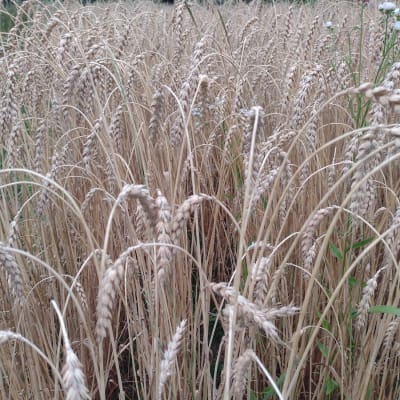
Triticum aestivum Winter annual grain. Extremely cold hardy hard red wheat. Flour has great flavor and texture, and sturdy plants make great straw. Good for small spaces. Well adapted to New England. Will Bonsall fave!
read more
100% organic cotton canvas bag featuring the amazing harvest artwork of Fedco’s own Sarah Oliver. Tote bag is 12½" wide x 14½" tall. 24" handles. Square bottom.
read more
Foeniculum vulgare (90 days) F-1 hybrid. A sweet and mild bulb fennel that resists bolting. The delicate flavor will win over even fennel skeptics.
read more
Foeniculum vulgare (72 days) Open pollinated. Nearly as bolt proof as those pricey hybrids seven times the cost and 5-7 days longer-standing than Zefa Fino, with much thicker bulbs.
read more
Gaillardia pulchella Open pollinated. Daisy-type flowers in reds, yellow, rust and orange with a prominent colored center. Free flowering, low maintenance and easy to grow. Attracts butterflies. Good cutflower.
read more
Cucurbita pepo var. ovifera (95 days) Open pollinated. Warted assorted flats, rounds, short pears and spoons in a variety of colors and patterns.
read more
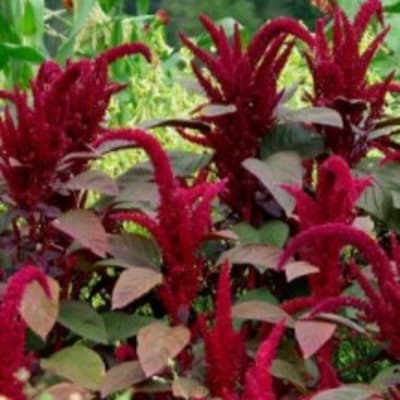
Amaranthus hybridus (65 days to flower, 125 days to seed) Open pollinated. Is it a green vegetable? An ornamental? A gluten-free grain? Why, yes! No wonder Amaranth was sacred in pre-Columbian Mexico.
read more
Oryza sativa (120 days) Open pollinated. Short grain light brown rice, can work in Zone 5b in paddies from direct sowing but does best from transplants.
read more
Oryza sativa (120 days) Open pollinated. Lowland variety from northern Japan. Pearly white short-grain sweet-sticky rice is great for mochi and fries well.
read more
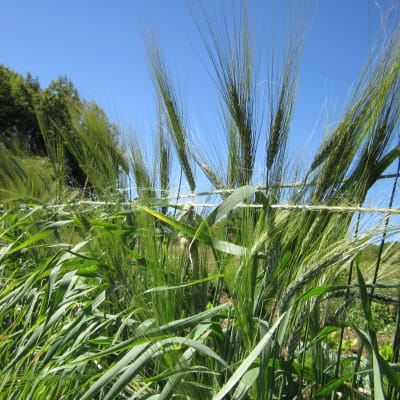
Triticum durum Open pollinated. Too beautiful to eat! Used for wheat weaving and flower arrangements. Four rows with blue-grey husks and long black awns. Sow in April, reap in Sept.
read more
Vitis spp. Mid. Clusters of medium-sized dark grapes with a heavy blue bloom. Our most popular seeded grape. Excellent for fresh eating, jelly and juice. Z3.
read more
Vitis spp. Very Early. Large seedless blue berries good for fresh eating, juice or raisins. Resists cracking and performs well in hot wet summers. Very vigorous. Z5.
read more
Vitis spp. Mid. Large bright firm seedless deep red grapes with a fruity flavor. Makes the best raisins. Excellent fresh eating. Vigorous vines. Z4/5.
read more
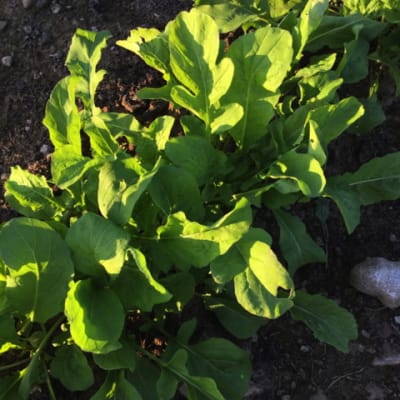
Eruca sativa (47 days) Open pollinated. Great-tasting musky greens. Bolt resistant strain. Cold tolerant, great for early spring, late fall, over-wintering.
read more
Eruca sativa (47 days) Open pollinated. Musky, cold tolerant greens, great for early spring, late fall, over-wintering. Eat the flowers if you miss some of the greens.
read more
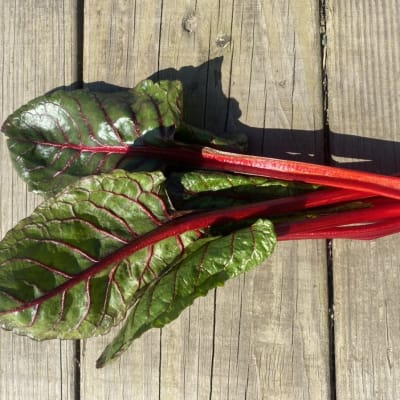
Beta vulgaris (55 days for bunching, 35-40 days baby leaf) Open pollinated. Very dark lush green fully savoyed leaf, brilliant red contrasting stalk. Excellent regrowth for multiple harvests.
read more
Beta vulgaris (55 days for bunching, 35-40 days baby leaf) Open pollinated. Very dark lush green fully savoyed leaf, brilliant red contrasting stalk. Excellent regrowth for multiple harvests.
read more
Cichorium intybus (60 days) Open pollinated. Savory Italian chicory with deeply toothed red-veined leaves. Best in cool weather, can become bitter in heat.
read more
Bunias orientalis Open pollinated. Perennial, Zones 4-8. Tender spicy mustard greens and florets for stir-frying. Drought-tolerant with a deep taproot.
read more
Montia perfoliata (40 days) Open pollinated. Small, heart-shaped leaves with a mild but succulent flavor. Use in mesclun and cut-and-come-again culture.
read more
Valerianella locusta (60 days) Open pollinated. Heirloom. Vigorous large-leaf type of staple salad green. Best for sowing in spring for early summer harvest.
read more