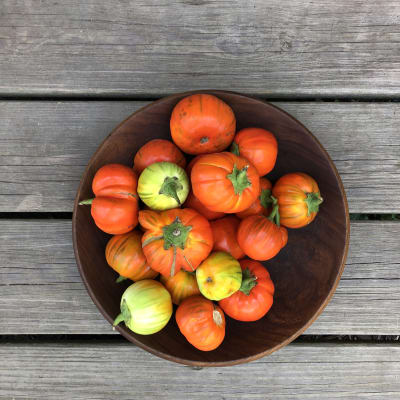
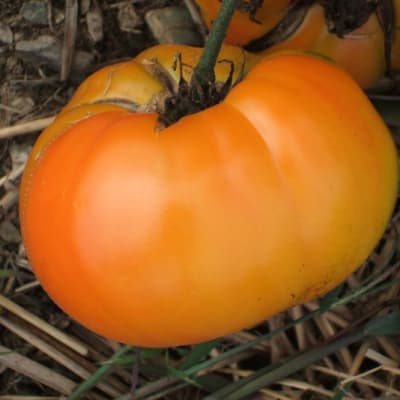
Solanum aethiopicum Orange skin. (65 days) Open pollinated. Sometimes called Ethiopian Eggplant or Garden Egg. Fruits mature to orange but are sweetest when they first turn from green to white. Great in curries and spreads.
Gladiolus murielae 12-18" tall. Sword-like foliage is topped by wonderfully scented star-shaped white flowers with mahogany-purple centers on arching stems. Beautiful in the garden or as a cutflower. Z7.
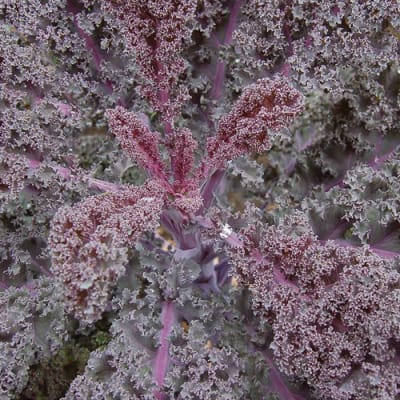
Brassica oleracea (acephala group) (30 days baby, 55 days mature) Open pollinated. Frilly purple leaves suitable for baby leaf or bunching. Similar to Redbor leaf shape and color.
Actinidia arguta Green skin, green flesh. Female. Sweet and luscious kiwi, a combo of sweet and sour. Larger than other varieties. Requires Meader male for pollination. Z4.
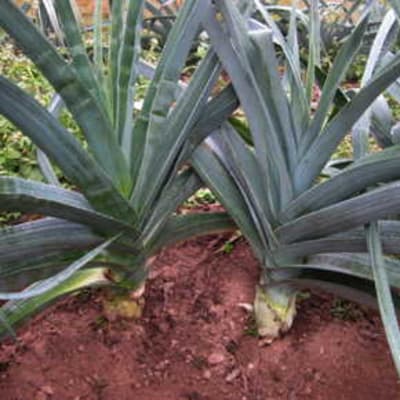
Allium ampeloprasum (porrum group) (84 days) Open pollinated. 6" tall, 3" thick shanks. Blue-green leaves. Very cold tolerant. A good candidate for overwintering.
Syringa vulgaris 12×12'. Very fragrant large pure white double flowers in thick clusters. Slightly open wide-growing shrub. Beautiful accent for pinks and purples. Z3.
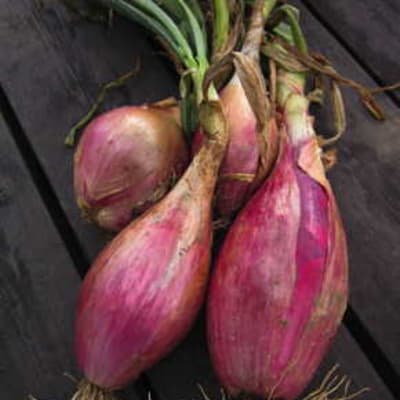
Allium cepa Maroon skin. (110 days) Open pollinated. Italian heirloom. Torpedo-shaped glossy red thin-skinned onion. Sweet, mild. Fair to good storage.
The commercial-strength rubber support lines in this kit allow the tree to sway slightly, just as nature intended, which promotes the growth of a strong and evenly distributed root system.
Amsonia tabernaemontana var. salicifolia 24–36" tall. Fine grassy willow-like foliage. Clusters of powder-blue florets in early summer. Best planted en masse. Z3.
Pyrus pyrifolia Late summer. Sweet and rich with a distinctive butterscotch flavor. Short picking period. Stores for several months. Very productive. Z4/5.
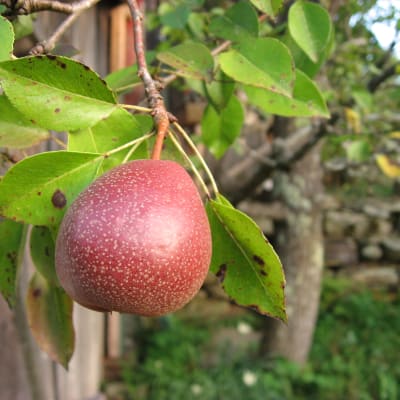
Pyrus communis Fall, red-blushed yellow skin. Medium-sharp perry pear. Too bitter for fresh eating but very good for making a strong aromatic perry, and suitable for cooking. Z4.
Prunus spp. Late summer, red skin, yellow flesh. Rich juicy sweet flesh is very firm and meaty but tender. Tastes like an apricot. Recommended for cooking and fresh eating. Rare in the trade. Z3.
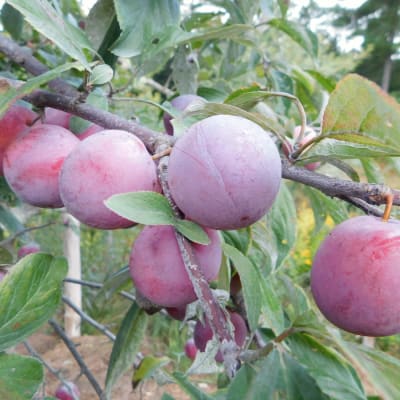
Prunus spp. Mid-late summer, red-purple skin, yellow-orange flesh. Large plums with translucent tart flesh. Clingstone. Good fresh eating or canning. Bears reliably. Z3.
Solanum tuberosum Mid-season, russeted brown skin, white flesh. Good flavor and reliably high yields. Russets can be fussy in our humid climate, but Gold Rush performs even in wet years or poor soils. Perfect for baking and fries.
Solanum tuberosum Late season, buff skin, white flesh. Released in 1932 by the USDA and Maine, it is the standard to which all storage potatoes are compared. Very well suited to a Maine growing season.
Solanum tuberosum Early season, buff skin, white flesh. Creamy and fancy. Yields abundant golf-ball–sized potatoes throughout the growing season. Great for container gardening.
Spinacia oleracea (37 days) F-1 hybrid. For spring and fall. Large thick dark green smooth but slightly savoyed spinach. Juicy and sweet. Vigorous, upright growth. Bestseller.
Fragaria × ananassa Mid-season. Large shiny red perfectly shaped fruit is firm, sweet and slightly aromatic. Keeps its size all season. Popular with commercial growers. Low incidence of fruit rots and foliar diseases. Z4.
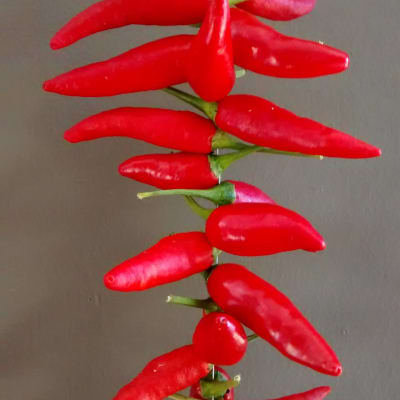
Solanum lycopersicum Red skin. (70 days) Open pollinated. Bright red ⅞" Aperitif is sized like a huge currant or very small cherry. Sweet little jewels.
Solanum lycopersicum Red skin. (70 days) Open pollinated. Bright red ⅞" Aperitif is sized like a huge currant or very small cherry. Sweet little jewels.
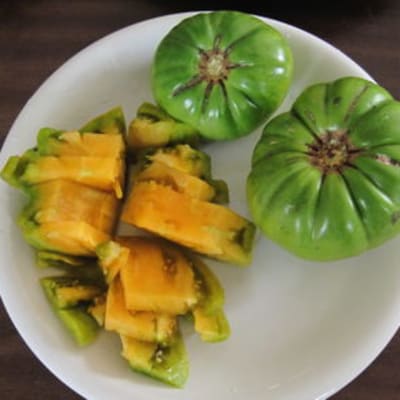
Solanum lycopersicum Yellow-blushed green skin. (85 days) Open pollinated. Green with yellow and amber-pink tinge,12-16 oz, oblate beefsteak. Best green eating tomato.
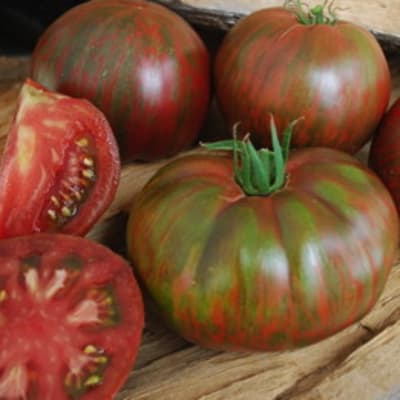
Solanum lycopersicum Green-streaked red skin. (68 days) Open pollinated. The color of port with metallic green stripes. Great flavor, productivity, size, disease tolerance. Usually bi-lobed, avg 9 oz. Holds well in field.
Solanum lycopersicum Red-streaked yellow skin. (90 days) Open pollinated. Gigantic 1–3 lb red-streaked yellow fruits have marbled interior flesh, meaty smooth melting texture, and superb mild sweet flavor with nary a hint of acidity.
Natural phosphorus source. Adequate phosphorus results in more vigorous early root formation, better flower and seed production, better growth in cold temperatures, and better water use efficiency.
Brassica oleracea (45-60 days) F-1 hybrid. Also called Chinese Broccoli. Grown for succulent stems, leaves and florets. Uses and flavor similar to broccoli. Tolerant to heat and cold.
A liquid combination of yeasts, actinomycetes, and bacteria. Promotes plant health and growth, and improves nutrient absorption and soil fertility. Our cannabis-growing friends can't do without it.
Ideal for securing edges of floating row covers and tarps without puncturing fabric. UV-resistant high-density polyethylene fabric is rated to last 7 growing seasons.
Beta vulgaris (55 days for bunching, 35-40 days baby leaf) Open pollinated. Very dark lush green fully savoyed leaf, brilliant red contrasting stalk. Excellent regrowth for multiple harvests.
Beta vulgaris (55 days for bunching, 35-40 days baby leaf) Open pollinated. Very dark lush green fully savoyed leaf, brilliant red contrasting stalk. Excellent regrowth for multiple harvests.
Lactuca sativa (50 days) Open pollinated. Fast-growing crinkled glossy yellow-green leaf lettuce. Sweet flavor with a slight hint of bitter. Heat tolerant.
Lactuca sativa (51 days) Open pollinated. Large head with red ruffled leaves. Tender and sweet with almost no bitterness. Very bolt resistant and cold tolerant. Popular with market growers.
Lactuca sativa (60 days) Open pollinated. Slightly ruffled green leaf lettuce is tinged bronze at the tips. Extreme cold tolerance. Fall, winter and spring production.
Cucumis melo Orange flesh. (90 days) Open pollinated. Orange-fleshed heirloom from Colorado. Slightly oval 5x6" fruits average 5 lbs and keep up to 3 weeks in cool storage
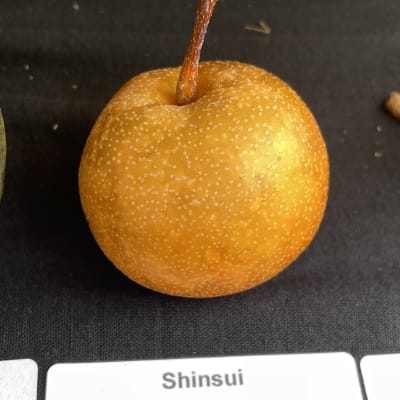
Pyrus pyrifolia Fall. Very large sweet juicy golden-brown pear. One fruit grown in Japan made it into the The Guinness Book of World Records. Will develop sweetness even in cooler summer weather. Z5.
Broad-spectrum control of bacterial and fungal diseases on vegetables, fruits, nuts, ornamental trees, shrubs, flowering plants, houseplants and tropical plants grown in home gardens or greenhouses.
Helps induce systemic resistance to a broad range of fungal diseases in most edible crops. Preferable to copper fungicide on cannabis, and worth a try to prevent late blight in your potatoes!
Papaver Open pollinated. 3' tall. Mostly pink on the outer two thirds of the petal edge with a slight purple blush in the middle and on the petal backs. Double, but not a full pompon.