Melilotus officinalis Biennial legume. Up to 6'. Vigorous clover for cover cropping, bee forage and green manure. Long thick taproots are very effective at breaking up subsoils and improving soil aeration.
read more
Cucurbita pepo var. ovifera (93 days) Open pollinated. Heirloom ornamental. Tiny 2-3" green-and-white striped bottle gourds. Rampant vines. Hard shells dry to tan.
read more
Cichorium intybus (66 days) F-1 hybrid. Beautiful elongated upright reliable heading radicchio has deeply ribbed purplish-red leaves with white-green veins. Early and delicious.
read more
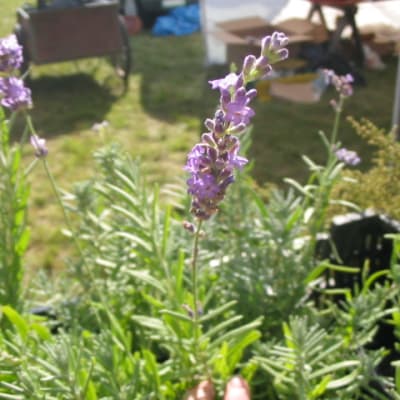
Lavandula angustifolia Open pollinated. Also known as English Lavender. Not a named variety; perhaps a less-refined habit than Vincenza Blue.
read more
Lavandula angustifolia Open pollinated. More compact habit than common Lavender with deeper green leaves and a more powerful, less sweet, aroma. 1' plants have bold clustered flower spikes with deep color from mid-July to early September.
read more
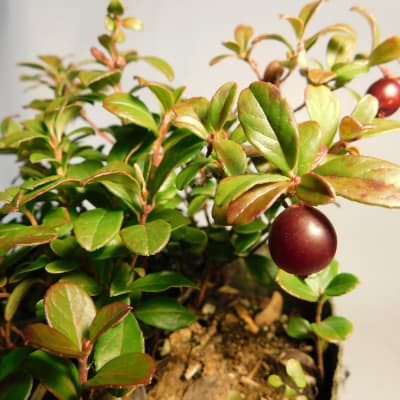
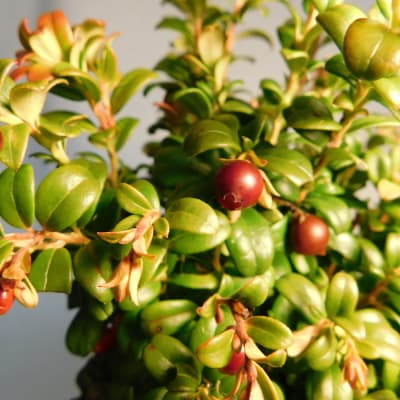
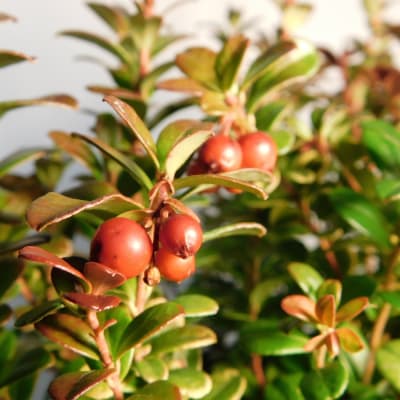
Vaccinium vitis-idaea 4-8". From open-pollinated seed collected in southwest Finland. Produces firm small-to-medium berries with good flavor. May bloom twice in one season. Z2.
read more
Carya laciniosa 60-80' × 40-60'. Tall nut tree of bottomlands and floodplains. Resembles shagbark hickory but with less shaggy bark. Native. Z5.
read more
Eryngium yuccifolium 3-6' tall. Globe-thistle-like 1" greenish-white flowerheads. Subtle honey-like scent. North american native. Great for cutflower production. Z3.
read more
Pimpinella anisum (130 days) Open pollinated. White umbel flowers in July have delicate ornamental value. Seed ripens in August and September—wait until the tips of the fruits turn grey, and collect seeds before they turn black.
read more
Levisticum officinale Open pollinated. Perennial. Umbelliferous, attracts beneficial insects, grows 3-6' and makes a dramatic architectural element in a decorative border.
read more
Leonurus cardiaca Open pollinated. Perennial 2–4' plant with dull green leaves and tiny white to purple blooms. Bees love the flowering tops, which are used for tea or herbal tincture.
read more
Spilanthes oleracea Open pollinated. Used as a ground cover in the south, it adds unusual beauty with its low growth habit and its cute yellow flowers with rayless red-orange centers.
read more
Spilanthes oleracea Open pollinated. Used as a ground cover in the south, it adds unusual beauty with its low growth habit and its cute yellow flowers with rayless red-orange centers.
read more
Vaccinium macrocarpon Albino berries with red blush. Selected from a seedling found growing in a bog on an island off the coast of Maine. Lasts up to 6 months in cold storage. Z2.
read more
Vaccinium macrocarpon 4-10". The cranberry of holiday sauces, bread and jelly. Dense low lustrous evergreen groundcover loaded with large red berries in fall. Z2.
read more
Cephalanthus occidentalis 6-10' x 8'. Loose rounded branchy shrub with masses of ornamental blooms that appear 4–6 weeks in summer. Attractive to pollinators. Z4.
read more
Made with thyme oil and corn oil, greenhouse tests show CannControl to prevent and eliminate powdery mildew, gray mold, mites, aphids, whiteflies, thrips and fungus gnats.
read more
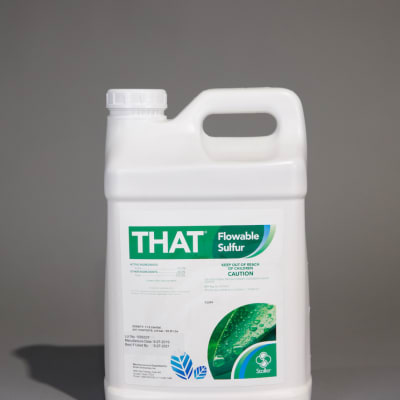
Used to control scab, powdery mildew and leaf spot. Sulfur is not water soluble; but small particles like these are better able to stay in suspension. Can also be applied as a powder.
read more
High-grade mineral oil for control of powdery mildew, scale, mites and other insects on trees and vegetables. Kills mildew on contact, and protects sprayed surfaces for 10-14 days.
read more
Easier to use in sprays and suspensions than micronized sulfur. Two to four well-timed applications can be effective on apple scab when combined with good orchard sanitation practices.
read more
Microscopic sharp edges cut into insects’ bodies and cause death by dehydration. Insects cannot develop resistance to this mode of action. Good for cutworm protection.
read more
Reduces plant damage from sucking and chewing insects including Colorado potato beetle larve. Faster-acting than most biological products: stops feeding activity within one minute of exposure.
read more
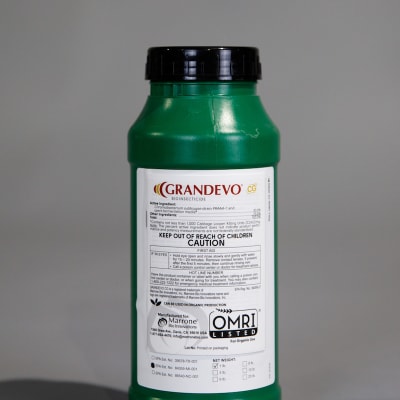
Spinosad is selectively active on a broad range of insects including caterpillars, flies, and some beetles, as well as sawflies, wasps, and, alas, bees. For home use only. Please apply with caution.
read more
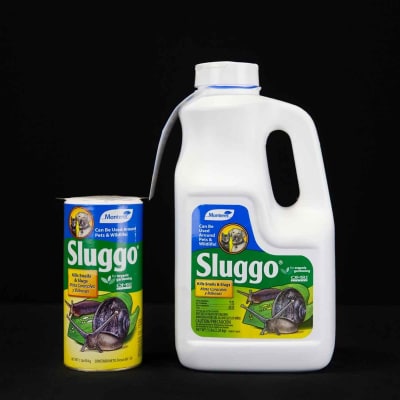
Snail and slug bait mixed with iron phosphate. Snails and slugs gather to eat the bait, and the iron phosphate causes them to cease feeding and die in a few days. Damage reduction is almost immediate.
read more
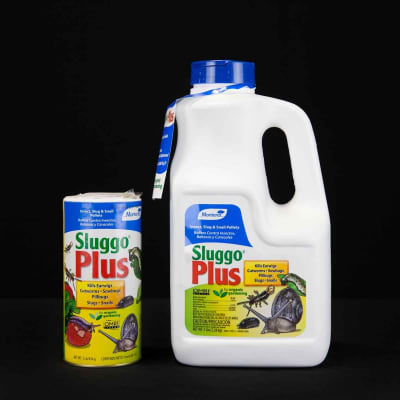
Similar to Sluggo, but with the addition of a small amount of spinosad (0.07%), which greatly increases effectiveness and scope. For snails, slugs, cutworms, earwigs, pillbugs, crickets and more.
read more
Neem has long been recognized for its antifungal, antibacterial and antiparasitic properties. Promotes the health and vitality of trees and plants. Deters a wide range of insect pests.
read more
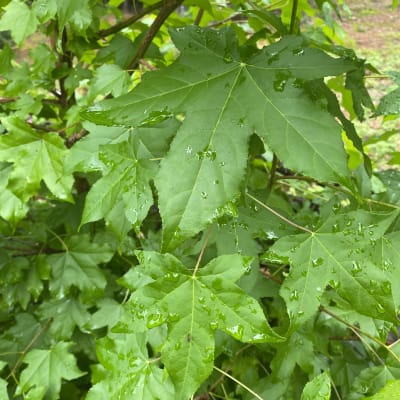
Liquidambar styraciflua 60-80' x 40-60'. Delightful star-shaped leaves and hard round prickly gumball-like “fruit”. Colorful fall display. Native from CT into Mexico. Z5.
read more
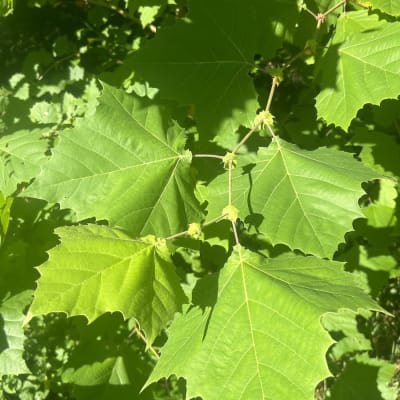
Platanus occidentalis 75-100' x same. Extraordinary native shade tree. Trunks and stems are strikingly mottled. Remarkable against the winter sky. Z4/5.
read more
Scutellaria lateriflora Open pollinated. Native spreading 1–2' perennial with numerous small blue flowers. Also known as Virginia Skullcap. Herbalists use it for headaches and insomnia.
read more
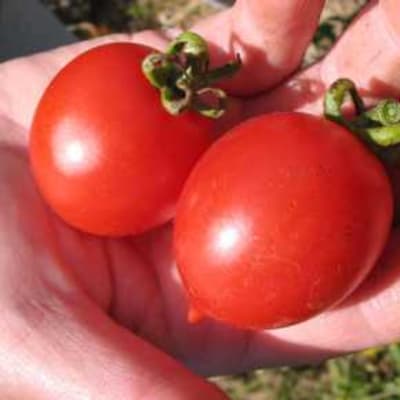
Solanum lycopersicum (75 days) Open pollinated. Red Italian heirloom cherry used for dried tomatoes. Rich, meaty, few seeds. Bears prolific clusters over a long season. No cracking.
read more
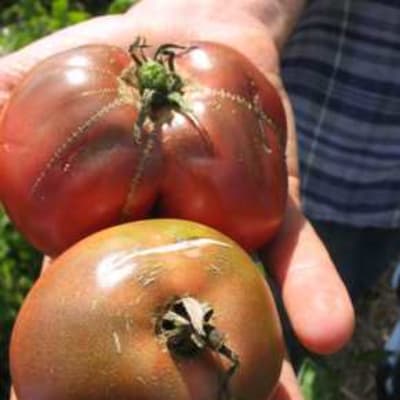
Solanum lycopersicum (80 days) Open pollinated. Iridescent purple with dark green shoulders, 12-18 oz, oblate with catfacing. Ripe when half green and firm. Dark juicy meaty interiors smoky, exquisite.
read more