Brassica napus (pabularia group) (55 days) Open pollinated. Cold hardy 18-28" purple and red-veined kale leaves grow frilly while remaining very tender. Good for bunches and mesclun mixes.
Brassica napus (pabularia group) (55 days) Open pollinated. Cold hardy 18-28" purple and red-veined kale leaves grow frilly while remaining very tender. Good for bunches and mesclun mixes.
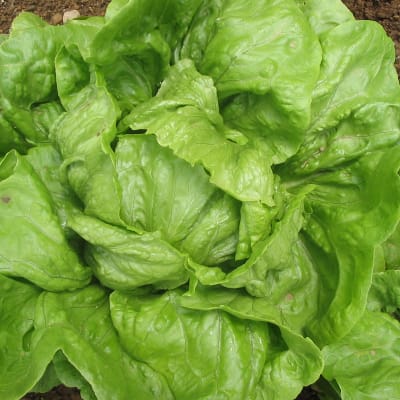
Lactuca sativa (72 days) Open pollinated. Slow-growing compact dark green Batavian with crisp outer leaves surrounding a round tightly-packed heart. Excellent heat tolerance.
Astrantia 24-28". Clump-forming perennial makes an excellent groundcover when planted en masse. Makes long-lasting cutflowers and is also a great container plant. Z4.
Pyrus communisThis is a twig for grafting. Summer, yellow-green skin. Medium-sized fruit with buttery aromatic juicy flesh. Grower Mark Fulford says it’s the “most like nectar” of the 40 varieties he’s grown. Keeps for a month. Z4.
Papaver orientale 10-15" tall. Dusky damson-plum–colored blossoms. A short version of the original Patty’s Plum poppy, a compost-pile surprise discovered in the 1990s. Z3.
Digital thermostatic device allows growers to select and maintain optimal temperatures (setting range: 68–108°) for germinating seeds or rooting cuttings. Works with most 120V heat mats.
Optimized for strong root growth, and charged with a fine-tuned organic fertilizer blend. Recommended for seed starting, transplants, paper-pot trays and rooting cuttings.
A light-textured potting soil with extra perlite, screened to ½". Recommended for the smallest flower and herb seeds. Transplant to a more nutrient-rich blend to grow out. Made in Maine.
Widely used by growers who make soil blocks. Has good water retention and a long-lasting nutrient supply from the high proportion of compost in the mix. Highly recommended for slow-growing seedlings.
Sick and tired of poor yields from your container-grown cannabis or hemp? Ahoy, matey, this flowering and fruiting mix is for you! Also great for tomatoes and other vegetables, flowers or houseplants.
For the times when those little bags just won't cut it, Vermont Compost blends are available in 2 cubic yard totes, perfect for larger gardens and growing operations. Choose from a variety of blends.
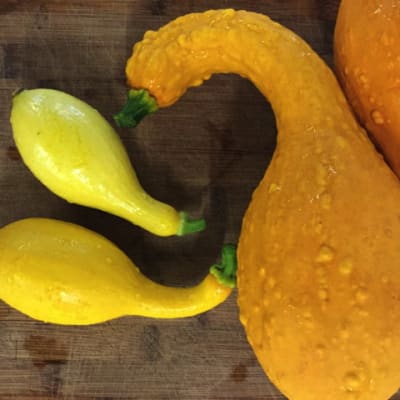
Cucurbita pepo (58 days) Open pollinated. Classic heirloom. Deep yellow warted fruit with bulbous blossom end and narrow curved neck. Excellent flavor.
Lathyrus odoratus × L. belinensis Open pollinated. Pale mauve-pink and deeper-hued lavender-blue wings, grandiflora type, growing to 6', with 3-4 flowers per stem.
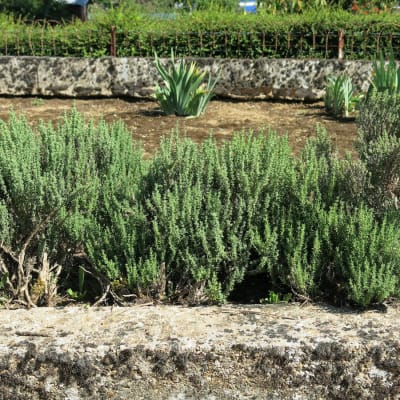
Thymus vulgaris 10-15" tall. Fragrant sprawling perennial brings depth of flavor to soups, gravies, casseroles. Said to calm the nerves, soothe headaches. Bees love it! Z4.
Citrullus lanatus Deep red flesh. (80 days) Open pollinated. Classic icebox. Deep red flesh. Very dark green 8-10 lb fruit. Early reliable standard for the North.
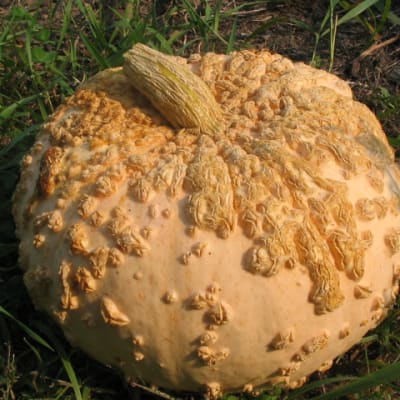
Cucurbita maxima Salmon pink skin. (98 days) Open pollinated. Unique French heirloom. Round slightly flattened 15 lb fruit has salmon-peach skin covered in peanut-like warts. Lovely, or ugly?
A great boost for transplants, potted plants and garden soils. Improves soil structure, provides a generous dose of slowly released nutrients and enhances microbial activity.
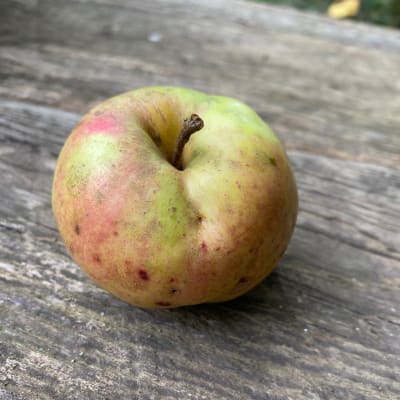
Malus spp. Winter, red skin, yellowish flesh. Large crisp juicy fruit. Excellent for fresh eating, cooking, and hard cider. Keeps till spring. Biennial bearer. Z4.
Malus spp.This is a twig for grafting. Winter, red skin, yellowish flesh. Large crisp juicy fruit. Excellent for fresh eating, cooking, and hard cider. Keeps till spring. Biennial bearer. Z4.
Malus spp. Fall-winter, russeted purplish red skin. Medium to very large apple has a good balance of sweet and tart with hints of pear. All-purpose. Keeps until midwinter. Z4.
Malus spp.This is a twig for grafting. Fall-winter, russeted purplish red skin. Medium to very large apple has a good balance of sweet and tart with hints of pear. All-purpose. Keeps until midwinter. Z4.
Malus spp.This is a twig for grafting. Fall, pink-spotted yellow skin. Full bittersweet cider apple. Very bitter yellow fruit with spots of pink and orange when fully ripe in mid-October. Intense tannins. Some specimens measured 21 brix. Heavy annual crops. Z4.
Malus spp. Fall-winter, pinky-red washed skin, pale yellow flesh. All-purpose. Relatively tart, great for pies, sauce and pizza! Very nice fresh too. Good keeper. Z4.
Malus spp.This is a twig for grafting. Fall, blushed yellow skin. Highly flavored dessert apple popular in the Victorian era for its complex spicy honey-nut flavor. Compact rugged tree. Z4.
Malus spp.This is a twig for grafting. Late fall, red-striped skin. Medium-sized, medium-bittersweet cider apple. One of the most popular cider varieties. Not for eating fresh. Annual bearer. Z4.
Malus spp.This is a twig for grafting. Winter, red skin, yellow flesh. Excellent storage apple with firm crisp juicy mild yellow flesh. Good for fresh eating and baking. Z3.
Malus spp.This is a twig for grafting. Fall-winter, red-blushed yellow skin. Originated in Turkey. Unusual fruit shape. Sweet-tart with high flavor. A good tree for smaller spaces. Z4.
Malus spp.This is a twig for grafting. Fall, dark orange-red skin, yellow flesh. Large juicy apple. Crisp yellow flesh, balanced flavor. Good fresh eating and cooking. Keeps until January. Annual bearer. Z4.
Malus spp.This is a twig for grafting. Fall, dark red skin, red flesh. Bittersharp cider apple. Among the best red-fleshed varieties. Prized for its size, vigor, disease resistance and deep red juice high in anthocyanins and antioxidants. Z4.
Malus spp.This is a twig for grafting. Winter, russeted gold-green skin, yellowish flesh. Medium-large russet is great for fresh eating and cider. Keeps till May. Rare. Z3/4.
Malus spp. Late summer, red-striped skin. Medium-sized, highly-flavored fruit. Good balance of acid/sweet. Crisp and juicy fresh-eating. Stores up to seven weeks. Z3.
Malus spp. Fall, pink-spotted yellow skin. Full bittersweet cider apple. Very bitter yellow fruit with spots of pink and orange when fully ripe in mid-October. Intense tannins. Some specimens measured 21 brix. Heavy annual crops. Z4.
Malus spp. Late fall, red-striped skin. Medium-bittersweet cider apple. One of the most popular cider varieties. Not for eating fresh. Annual bearer. Z4.
Malus spp.This is a twig for grafting. Fall, russeted yellowy-green skin. Large beautiful bittersweet cider apple. Not for eating fresh. Blooms midseason. Z4.
Malus spp. Fall, dark red skin, red flesh. Bittersharp cider apple. Among the best red-fleshed cultivars. Prized for its size, vigor, disease resistance and deep red juice. Z4.
Malus spp. Late fall, green skin. Full bittersweet cider apple. Low acidity and a nice astringency. If you’ve been looking for late-ripening bittersweets, try this one. Z4.
A poignant and galvanizing collection of essays and conversations with respected Black leaders, brilliantly woven together by Leah Penniman of Soul Fire Farm, author of Farming While Black.
by Ben Hartman, 272 pages, 7x10, softcover. I have spent a majority of my career working to optimize processes and eliminate waste by applying Lean... read more
Painted portraits of People working for Earth Justice (including 5 from Maine!), accompanied by concise biographies and framed by essays about earth justice.
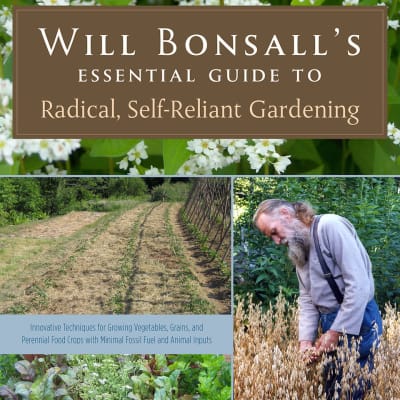
by Will Bonsall, 400 pages, 8x10, softcover. As a former apprentice of Will’s, I assumed his book would be a nostalgic journey but not especially... read more