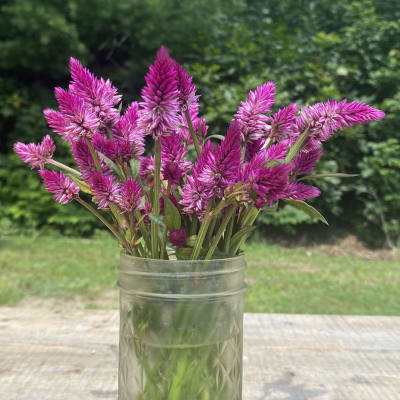
Celosia argentea var. spicata (75 days) Open pollinated. Upright 20-26" tall multi-branched wheat-type celosia produces showy spikes, light pink at the base turning to a deep rose-magenta at the tip. Green foliage starts at ground level.
read more
Zea mays (85 days) Open pollinated. Early and productive true flint corn superb for cornbread, johnny cakes and polenta. 8–12" ears with 8–12 rows.
read more
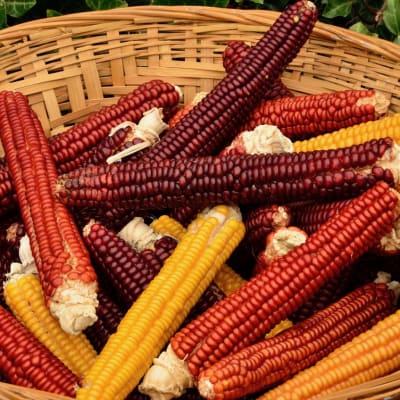
Zea mays (105 days) Open pollinated. 5-8" ears. Kernels are mostly red, yellow, mottled rosy-brown (also brown, purple, blue and white), and larger than most popcorns.
read more
Cucumis sativus (58 days) Open pollinated. Slicer from the same line as Marketmore 76. Fruit is slimmer and darker, with improved yield and disease resistance.
read more
Foeniculum vulgare (65 days) Open pollinated. Slow grower with very thin stems valued for its striking feathery bronze foliage. Delicious and decorative.
read more
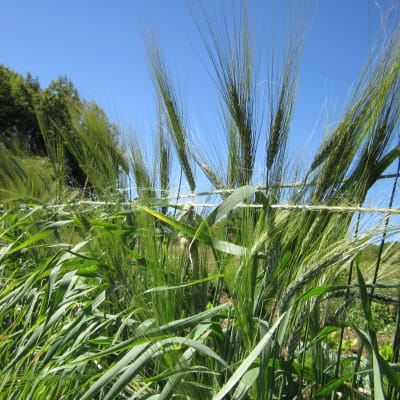
Triticum durum Open pollinated. Too beautiful to eat! Used for wheat weaving and flower arrangements. Four rows with blue-grey husks and long black awns. Sow in April, reap in Sept.
read more
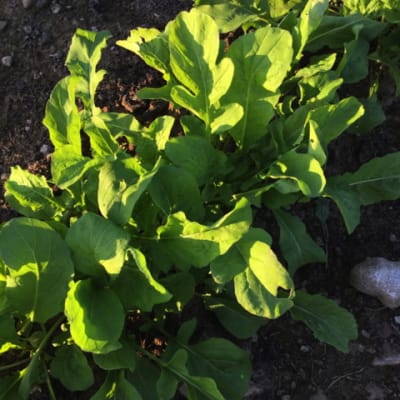
Eruca sativa (47 days) Open pollinated. Musky, cold tolerant greens, great for early spring, late fall, over-wintering. Eat the flowers if you miss some of the greens.
read more
Beta vulgaris (55 days for bunching, 35-40 days baby leaf) Open pollinated. Very dark lush green fully savoyed leaf, brilliant red contrasting stalk. Excellent regrowth for multiple harvests.
read more
Blitum bonus-henricus Open pollinated. Heirloom perennial green and ancient European potherb. Eat shoots like asparagus; use leaves like spinach.
read more
Brassica oleracea (acephala group) (61 days) Open pollinated. Lacinato crossed with Redbor. Curly edges, red veins, purple or blue-green leaves, diverse shapes and colors. Productive and cold-hardy.
read more
Brassica oleracea (acephala group) (60 days) Open pollinated. Vigorous upright lacinato-leaved kale in a range of bluish-green shades, all with a dramatic pink mid-rib.
read more
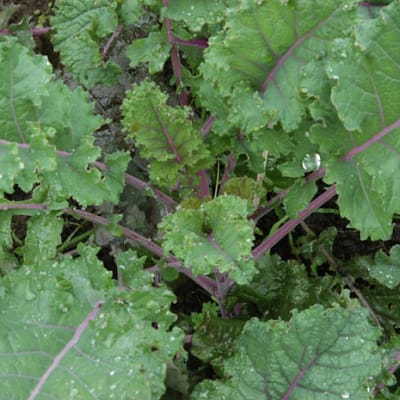
Brassica napus (pabularia group) (55 days) Open pollinated. Cold hardy 18-28" purple and red-veined kale leaves grow frilly while remaining very tender. Good for bunches and mesclun mixes.
read more
Brassica napus (pabularia group) (55 days) Open pollinated. Cold hardy 18-28" purple and red-veined kale leaves grow frilly while remaining very tender. Good for bunches and mesclun mixes.
read more
Brassica napus (pabularia group) (60 days) Open pollinated. Serrated silvery-green flat-leaf Siberian-type kale with white veining. Sweetens after frost. Extremely cold hardy.
read more
Lactuca sativa (68 days) Open pollinated. Large plants form loose heads with bronzy coloration. Green interior is sweet and mild. Always one of the last to bolt.
read more
Lactuca sativa (50 days) Open pollinated. Heirloom. Red butterhead. Dark green butterhead base is fully blushed carmine and pebbled with bronze and brown.
read more
Lactuca sativa (48 days) Open pollinated. Compact tight uniform heads form upright rosettes for a clean market and salad harvest. Pebbled leaves shaded red and light plum on a green base.
read more
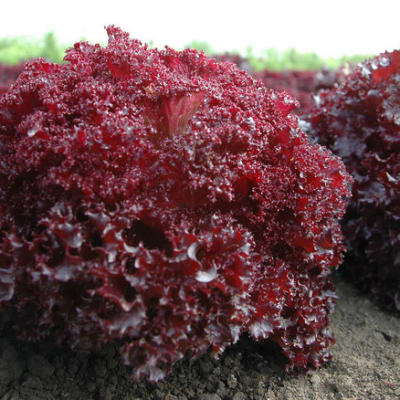
Lactuca sativa (56 days) Open pollinated. Beautiful compact Lollo-type has extremely dark purple-red leaves with ruffles and curls. Very mild flavor for type. Stays non-bitter longer.
read more
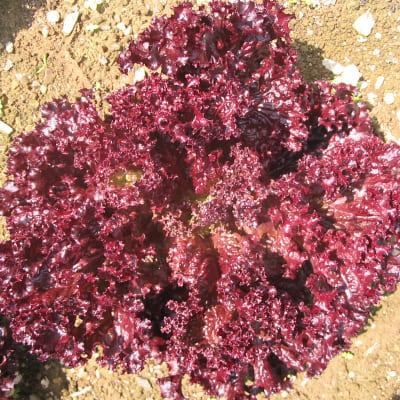
Lactuca sativa (50 days) Open pollinated. Very deep red savoyed leaves with extreme ruffling. Good flavor and texture. Fair heat resistance and good cold tolerance.
read more
Lactuca sativa (32 days baby, 60 mature) Open pollinated. Modern classic. Adds intense deep red color and full-bodied flavor to baby salad mix. Not recommended for full-size heads. Cold tolerant.
read more
Lactuca sativa (51 days) Open pollinated. Large head with red ruffled leaves. Tender and sweet with almost no bitterness. Very bolt resistant and cold tolerant. Popular with market growers.
read more
Lactuca sativa (55 days) Open pollinated. Dense oakheart heads range from mini to full to elf-eared. Variations in this gene pool range from deepest solid red to the heart, red spotting, speckling and blushing, to spotless green.
read more
Lactuca sativa (56 days) Open pollinated. German heirloom. Attractive romaine has deep green leaves flecked with wine-red splotches. Excellent flavor and decent heat tolerance. Bestseller.
read more
Lactuca sativa (67 days) Open pollinated. Deep dark red leaves with contrasting pink veins, and a smidgen of green in the center. Tall upright 8" heads.
read more
Lactuca sativa (44 days baby, 63 days mature) Open pollinated. From England. Compact Winter Density-type mini-romaine with very deep purple-red leaves. Very cold tolerant, decent heat tolerance.
read more
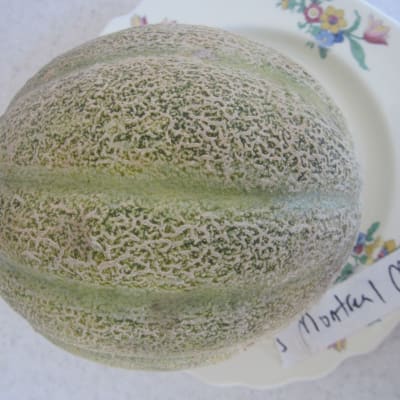
Cucumis melo (89 days) Open pollinated. Green-fleshed heirloom, once the most widely grown in Canada, New England. Netted and ribbed fruits with aromatic silky texture. Can get quite large.
read more
Nicotiana sylvestris Open pollinated. Clusters of drooping tubular white blossoms that perfume the garden day and night. Full powerful scent. 4–5' tall.
read more
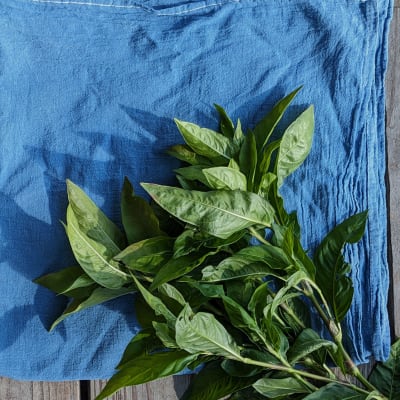
Persicaria tinctoria Open pollinated. Japanese indigo preferred by dyers in Maine. A tender annual, indigo thrives in fertile soil and likes heat and humidity.
read more
Ageratina altissima Open pollinated. Flat-topped fuzzy clusters of small pure white disk flowers bloom August through October, attracting multiple species of bees, moths and butterflies.
read more
Agastache foeniculum Open pollinated. Perennial can grow 3' tall, 2' wide. Vigorous self-sower. Anise-scented foliage and purple flowers are delightful as a tea or culinary seasoning, or filler in mixed bouquets.
read more
Dysphania ambrosioides (55 days) Open pollinated. Culinary herb native to Central America, often added to beans to deepen flavor and to mitigate flatulence. Sharp and pungent.
read more
Althaea officinalis Open pollinated. Cousin to the hollyhock, this showy 4–6' plant is used to soothe and soften irritated skin and membranes.
read more
Leonurus cardiaca Open pollinated. Perennial 2–4' plant with dull green leaves and tiny white to purple blooms. Bees love the flowering tops, which are used for tea or herbal tincture.
read more
Capsicum annuum (65 days) Open pollinated. An open-pollinated selection of the ever-popular shishito. Light green, thin walled and mostly mild. Early, prolific and delicious!
read more
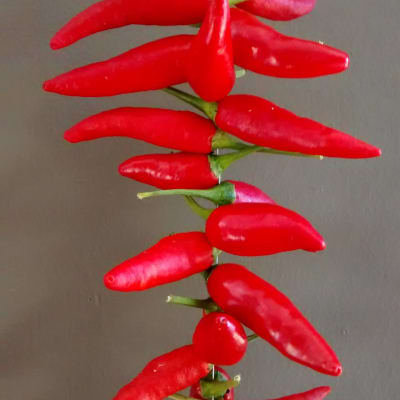
Capsicum annuum (82 days) Open pollinated. Tiny bright red 1" conical fruits stand erect from foliage. Very hot, 25,000-40,000 Scovilles. Pretty and prolific.
read more
Cucurbita pepo (102 days) Open pollinated. Rare heirloom. 3-5 lb oblong fruits, green with an orange spot on the side. Ripen to full orange off-vine. Excellent for pies. Can store all winter.
read more
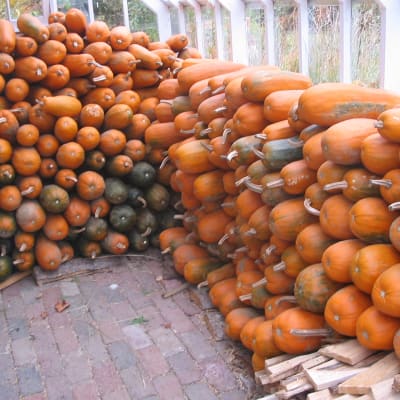
Cucurbita pepo (115 days) Open pollinated. Classic very large jack o' lantern. Symmetrical, solid orange, 20-35 lb fruit with hard ridged skin. Very productive.
read more
Raphanus sativus (55 days) Open pollinated. Miniature daikon, 6-9" long by 1-3" wide. White with green shoulders. Lime-green flesh. Excellent storage.
read more
Scutellaria lateriflora Open pollinated. Native spreading 1–2' perennial with numerous small blue flowers. Also known as Virginia Skullcap. Herbalists use it for headaches and insomnia.
read more
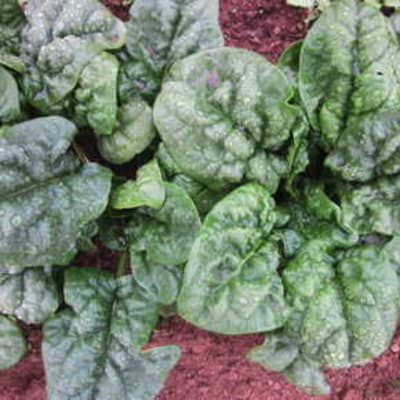
Spinacia oleracea (47 days) Open pollinated. Old variety grows slowly, tolerates low temps. Good spring and fall, and great for overwintering. Deeply savoyed leaves.
read more
Cucurbita pepo (60 days) Open pollinated. Italian heirloom. Cylindrical. Deeply ribbed striped tender fruit. Excellent flavor. Also good for blossom production.
read more
Helianthus annuus (90-100 days) Open pollinated. Rare indigenous heirloom used as a natural dye source for coloring baskets purplish charcoal. Also edible. 8' stalks.
read more