Amsonia tabernaemontana var. salicifolia 24–36" tall. Fine grassy willow-like foliage. Clusters of powder-blue florets in early summer. Best planted en masse. Z3.
read more
Dysphania ambrosioides (55 days) Open pollinated. Culinary herb native to Central America, often added to beans to deepen flavor and to mitigate flatulence. Sharp and pungent.
read more
Diervilla lonicera 2-4' x 2-5'. Clusters of yellow tubular flowers attract pollinators. Lustrous green leaves emerge with a hint of bronze. Good for erosion control. Z3.
read more
Amelanchier laevis 15-25'. Leaves of this understory tree unfold purplish-orange bronzed color in spring. Pendulous white blossoms. Berries ripen midsummer. Z2.
read more
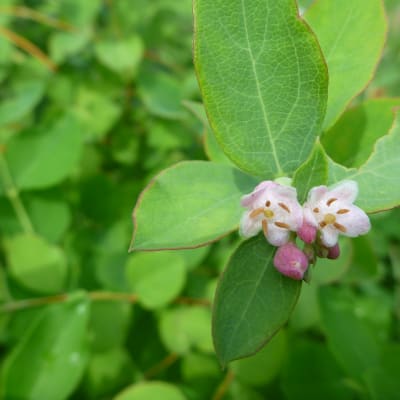
Symphoricarpos albus 5-6' x same. Wildlife and medicinal shrub native to eastern U.S. is quite beautiful all season. Berries are insipid to humans but adored by birds. Easy to grow and adaptable to most conditions. Z3.
read more
Hamamelis virginiana 8-20' x same. Small fall-flowering tree or large shrub. Brilliant golden-yellow fall color. Quirky yellow flowers in November. Z3.
read more
Biochar helps your soil sequester more carbon and emit less nitrous oxide. Also provides a dream home for beneficial bacteria and fungi, while preventing essential nutrients from leaching away.
read more
Dicentra formosa 14-20" tall. Heart-shaped blossoms in late spring. With good moisture, the lacy foliage look nice all season. Full to dappled shade. Z3.
read more
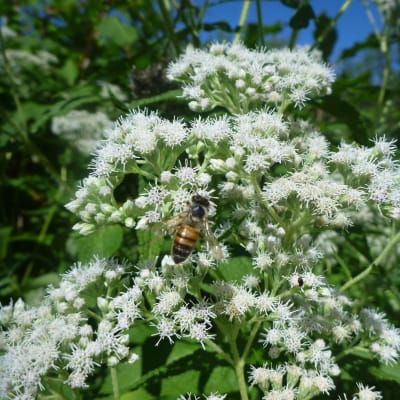
Eupatorium perfoliatum 5-7' tall. Flat-topped clusters of white to lavender flowerheads. Stimulates the immune system. Fetching addition to the perennial border. Z3.
read more
Dryopteris marginalis 20-30" tall. Strong stems and slightly glossy leathery grey-green fronds make this one of the best ferns for floral arrangements. Evergreen leaves in winter. Z3.
read more
Hablitzia tamnoides (45 days) Open pollinated. Perennial spinach-like green. Hardy vine from the Caucasus grows 6-9' long for 2-3 months beginning very early spring. Heart-shaped attractive leaves.
read more
Eutrochium fistulosum 4-6' tall. Dusky-rose flowers are held on beautiful wine-red stems dusted with a light purplish bloom. Adaptable to wet soils. Z4.
read more
Eutrochium purpureum 4-6' tall. Massive vanilla-scented pinkish-purple domed flowers in midsummer. Often found in average to dry woodland edges. Z3.
read more
Liatris spicata 30-36" tall. Dreamy white flower wands above fine grass-like foliage. Blooms from July to September. Great for cutflowers. Z3.
read more
Liatris spicata 20-30" tall. Magenta-purple flower spikes above fine grass-like foliage. Blooms from July to September. Great for cutflowers. Z3.
read more
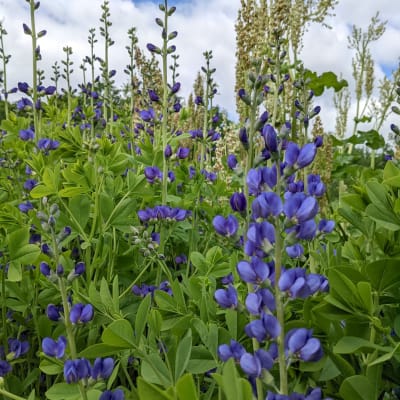
Baptisia australis 3-4' x same. Vibrant blue lupine-like flowers in early summer. Bushy habit and shrub-like structure once mature. Good for erosion control. Z3.
read more
Heliopsis helianthoides 3–5' tall. Northeast native wildflower perfect for borders and wild places. Likes sun and heat; generally adaptable. Z3.
read more
Oligoneuron rigidum 2-5' tall. The gorgeous yellow-gold vibrancy of goldenrod packed into a dense, showy, flat-topped cluster. Attractive lush slate-green foliage. Z3.
read more
Astrantia 24-28". Clump-forming perennial makes an excellent groundcover when planted en masse. Makes long-lasting cutflowers and is also a great container plant. Z4.
read more
Chelone glabra 2–4' tall. Native wildflower blooms late along with the asters. A final feast for the bumblebees. Prefers moist soil, dappled light. Z4.
read more
Trigonella foenum-graecum (30 days leaf, 120 days seed) Open pollinated. Leaf and seeds are used culinarily, imparting a sweet nutty flavor reminiscent of maple syrup. If not pinched back, the plant will
read more
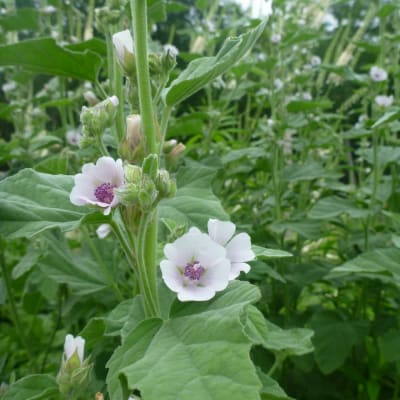
Althaea officinalis 5-8' tall. Beautiful towering medicinal plant. Leaves, flowers and mucilagenous roots are used to soothe mucous membranes. Z4.
read more
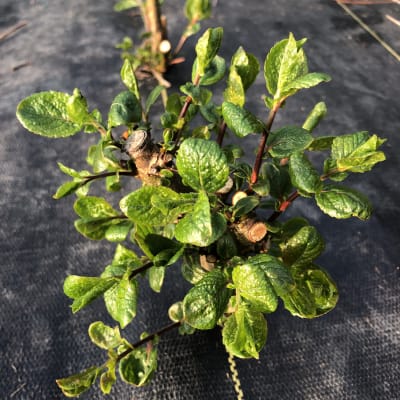
Cornus mas 20-25' x 15-20'. Bright red pear-shaped edible fruit. Each seedling will be unique. Will pollinate each other and any named cornelian cherry cultivar. Z4/5.
read more
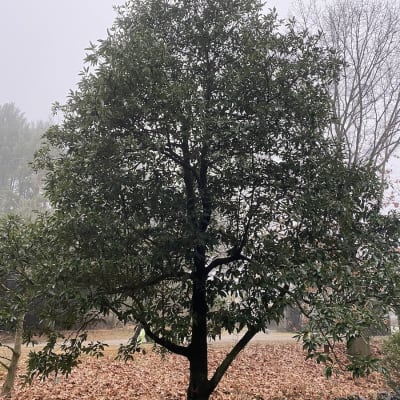
Magnolia virginiana 10-20' x same. Fragrant creamy white 2”3" waxy blossoms in mid-spring sometimes rebloom in mid-summer. Pink fruits adorn the tree in fall. Tolerates clay and air pollution. Z5.
read more
Prunus americana 15-20' Not a hybrid, but it may be the best pollinator for hybrid plums. Very decent red, yellow and orange 1" plums, suitable for fresh eating, canning and freezing. Z3.
read more
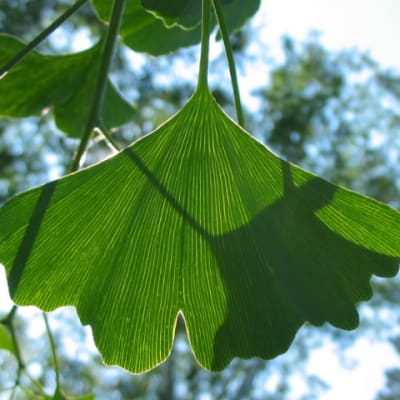
Ginkgo biloba 50-80'. Slow-growing, long-lived tree with unique fan-shaped foliage. Leaf tea used medicinally. Very adaptable and tolerant. Minimal maintenance required. Z5.
read more
Gleditsia triacanthos 50' x 30-35'. Beautiful fast-growing nitrogen-fixing tree. Good for erosion control. Tolerates drought, pollution, salt, disease and insects. Z4.
read more
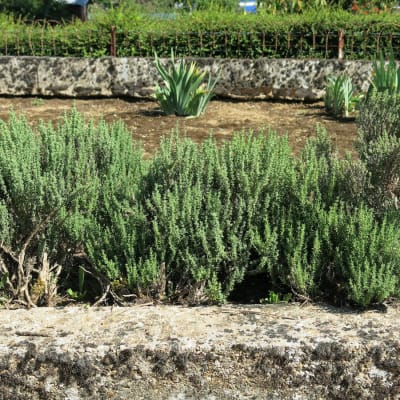
Thymus vulgaris 10-15" tall. Fragrant sprawling perennial brings depth of flavor to soups, gravies, casseroles. Said to calm the nerves, soothe headaches. Bees love it! Z4.
read more
NPK: 2.5-0.4-3.3 avg. Gives plants a noticeable boost and feeds soil organisms. Excellent vegan alternative to blood meal as a nitrogen source. Hands-down the best-smelling fertilizer out there.
read more
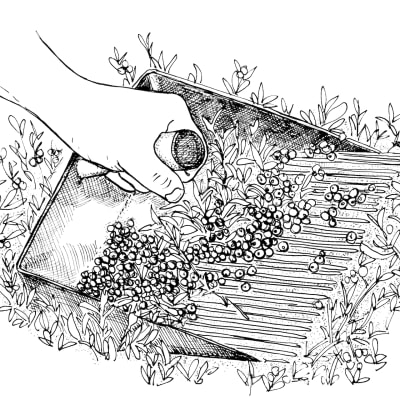
Aronia melanocarpa 5-10' x same. Cultivar selected for use in windbreaks and wildlife conservation plantings. Fruits abundantly. Medicinal and edible. Z3/4.
read more
Pinus strobus 100'+. Magnificent and massive when mature. Smooth bark becomes rough, deeply furrowed with age. Makes a beautiful hedge. Shade tolerant. Z3.
read more
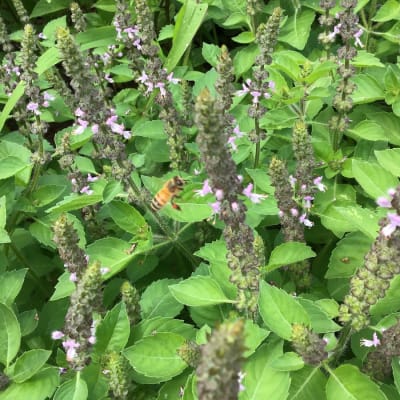
Ocimum tenuiflorum (100 days) Open pollinated. A superior strain of Tulsi or Sacred basil, with a more compact growth habit and more pungent sweet flavor.
read more
Picea abies 80-100'. Fast-growing wide-spreading upright picturesque tree with graceful long pendulous branches that often reach the ground. Showy cones. Z2.
read more
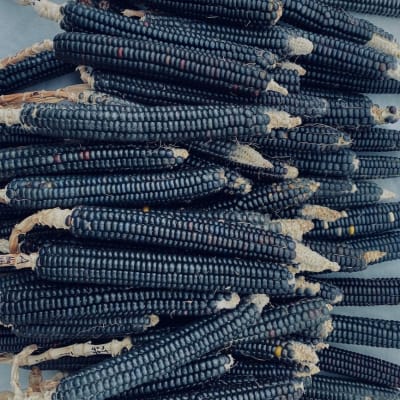
Zea mays (95 days) Open pollinated. A nutrient-dense grain that is fast maturing under harsh conditions, and stands strong for machine harvest. The soft starch makes fluffy cornbread and also binds well for Johnnycakes and tortillas.
read more
Melothria scabra (65 days) Open pollinated. Vigorous but delicate climbing vine. Profuse bearing of 1" oblong green and white fruits. Eat fresh or pickled.
read more
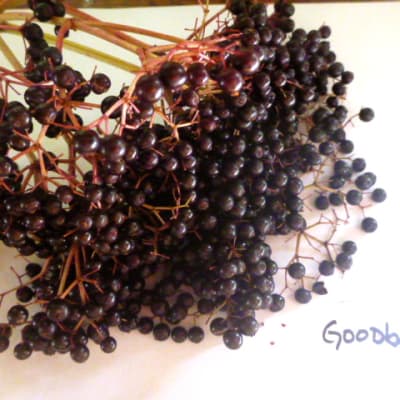
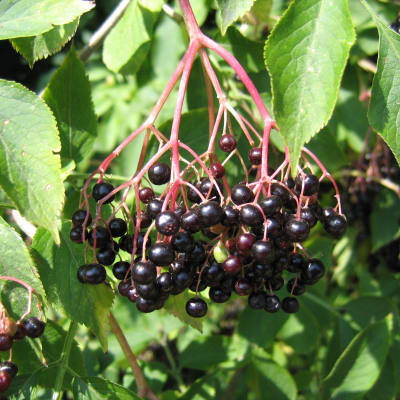
Sambucus canadensis 5-10' x same. Blooms heavily and produces large elderberry crops annually. Hardy, vigorous with apparent self-fertility. Z3.
read more
Sambucus nigra 5-8' x 2-5'. Selected for juice production based on very high anthocyanin content and sweet flavor. Strong upright shoots. Z4/5.
read more
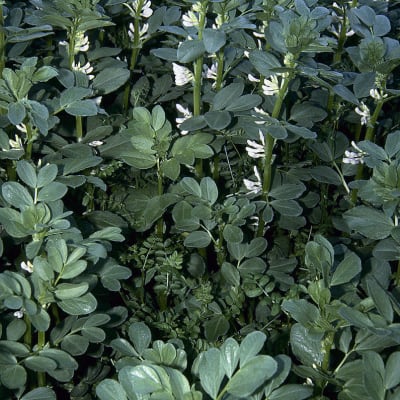
Vicia faba Annual or winter annual legume. Great for fixing nitrogen, and building large amounts of biomass. Bell beans will happily sprout in half-frozen soil, and tolerate a wide range of soil conditions.
read more
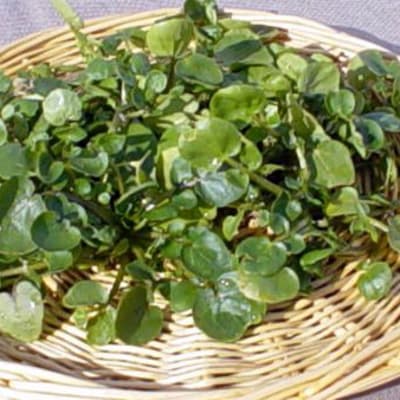
Nasturtium officinale (60 days) Open pollinated. Perennial hardy to Z4. Tasty green likes full sun and soggy conditions. Use in salads and soups.
read more
Lonicera sempervirens 6–10' long. Scarlet-red and yellow flowers. Straight species. Selected for excellent blossom set and outstanding resistance to powdery mildew. Z3.
read more