Daucus carota (55 days) Open pollinated. Early coreless translucent pinkish-orange blunt-tip roots. Mild sweetness boosted by “carrot perfume.” Upright tops good for bunching.
Daucus carota (55 days) Open pollinated. Early coreless translucent pinkish-orange blunt-tip roots. Mild sweetness boosted by “carrot perfume.” Upright tops good for bunching.
Crew-neck straight-cut tee shirt featuring the irresistible cottagecore garden gnomes from our 2020 Bulbs catalog cover. White graphic on black cotton. Made in the U.S. from organic cotton.
This starter kit gives you everything you need for 200' of garden row-crop irrigation. Includes setup instructions, low-flow drip tape, as well as fittings, ends, couplers and more!
Raphanus sativus var. niger Broadleaf annual. Roots penetrate hardpans and loosen soil down to 30" or beyond. Takes up available soil nutrients and prevents losses to leaching or runoff. Suppresses weeds if planted thickly.
Raphanus sativus var. niger Broadleaf annual. Roots penetrate hardpans and loosen soil down to 30" or beyond. Takes up available soil nutrients and prevents losses to leaching or runoff. Suppresses weeds if planted thickly.
Morus hybrid 30x20' Cold hardy northern selection similar to Illinois Everbearing with larger fruit that ripens 2 weeks earlier. Very productive trees are great when you need a lot of fruit at once. Z4.
Morus hybrid 30x20'. One of the hardiest mulberries! Tasty medium-sized fruit ripens over several weeks in midsummer. Self-fruitful grafted cultivar. Its mother tree is now more than 170 years old. Z3.
Rosa alba 5-6' x same. Classic alba variety with clusters of white fragrant highly double 2–3" blossoms, sometimes with more than 200 petals per flower! Z4.
Also known as Pro Trays. Made of lightweight black plastic with bottom drain holes. 72 round cells in a sheet, 1.50" wide, 2.31" deep, fits into standard 1020 Trays.
Warm the root zone for seedling success! The patented double-layer construction is tough, waterproof and easy to clean. Can be used with or without a controller. Fits two standard 1020 trays.
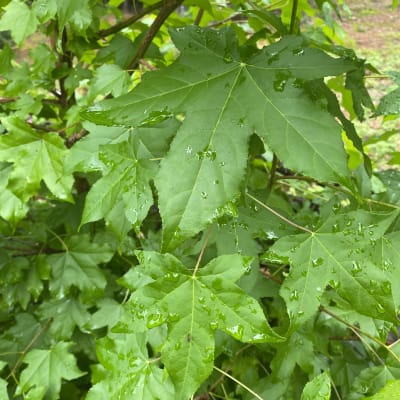
Liquidambar styraciflua 60-80' x 40-60'. Delightful star-shaped leaves and hard round prickly gumball-like “fruit”. Colorful fall display. Native from CT into Mexico. Z5.
Antirrhinum majus (90 days) Open pollinated. Spikes of magenta and buttercream blossoms yellow throats bloom from mid-July into September. Ideal for beds, borders, and of course, cutflowers. A star in our 2023 flower trials.
Solanum lycopersicum Dark purple skin. (75 days) Open pollinated. This fantastic cherry tomato is beautiful, healthy, highly productive, resistant to cracking and not resistant to flavor. 10–20g fruits.
Biochar helps your soil sequester more carbon and emit less nitrous oxide. Also provides a dream home for beneficial bacteria and fungi, while preventing essential nutrients from leaching away.
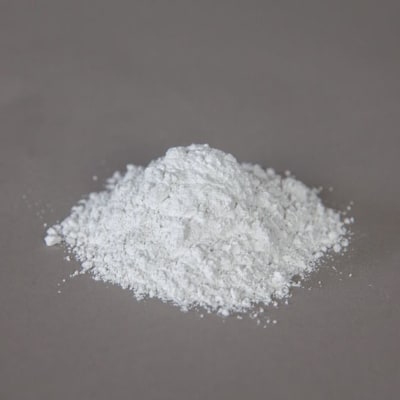
Silicon is linked to improved yields, especially recommended for cannabis, orchard crops, cucurbits, sweet corn, grains and forage crops. Also helps build resistance to powdery mildew.
NPK: 2.5-0.4-3.3 avg. Gives plants a noticeable boost and feeds soil organisms. Excellent vegan alternative to blood meal as a nitrogen source. Hands-down the best-smelling fertilizer out there.
NPK: 13-0-0. One of the fastest release times of all organic nitrogen sources. Highly recommended for corn. The smell (understandably) freaks out deer. Use as a side-dressing or till into soil.
NPK: 13-0-0(apx). Provides a strong and quick release of nitrogen. Apply in the row at planting time for sweet corn, melons, brassicas and other heavy feeders. Not water-soluble.
Natural phosphorus source. Adequate phosphorus results in more vigorous early root formation, better flower and seed production, better growth in cold temperatures, and better water use efficiency.
NPK: 6.9-11.9-0.8 avg. Excellent source of nitrogen and phosphorus. Use as a sidedressing or mix into compost to provide added nitrogen and a bacterial boost. A byproduct of wild-caught fish.
A good source of immediate potassium for depleted soil and of magnesium where calcium is abundant. Alliums like its sulfur and potatoes like its quick boost of potassium.
NPK: 2-2-2. 16% Chitin. Nourishes chitin-feeding bacteria and fungi, which in turn devour gnat eggs and root-feeding nematodes. Also fortifies plants’ cell walls, and fosters healthy blooms.
NPK: 0.5-0.5-0.3 apx, plus trace minerals. Worm castings limit plant disease and have beneficial effects including enhanced mycorrhizal activity and the suppression of parasitic nematodes.
Malus spp. Winter, russeted green skin, yellowish flesh. Famous European cooking apple. Big blocky fruit patched with green and russet. Cooks and bakes beautifully. Keeps well. Z4.
Malus spp. Winter, deep purple skin, greenish white flesh. Uniquely dark fruit with well-balanced flavor. Excellent pies and cider. Maine heirloom. Best eating late Dec. to March. Great keeper. Z4.
Malus spp. Fall-winter, russeted purplish red skin. Medium to very large apple has a good balance of sweet and tart with hints of pear. All-purpose. Keeps until midwinter. Z4.
Malus spp. Winter, red skin, white flesh. A popular all-purpose commercial apple in New England. Delicious fresh eating, cooks well in pies and sauce and keeps until late spring. Z4.
Malus spp.This is a twig for grafting. Summer, yellow skin, golden yellow flesh. Size and shape of an egg. Crisp, crunchy with spicy sweet flavor. Exceptional fresh-eating. Precocious, annually productive. Z2/3.
Malus spp. Fall, red-striped skin. High-quality bittersweet variety recommended for blending with other fall varieties. Soft astringent tannins. Narrow upright tree form. Becoming popular commercially in New England. Z4.
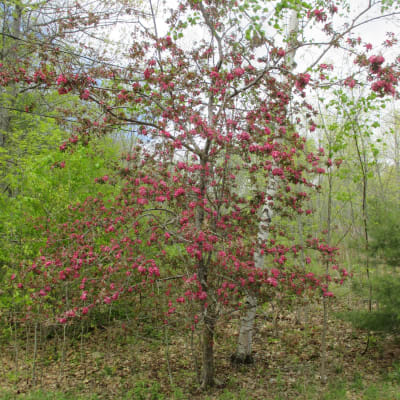
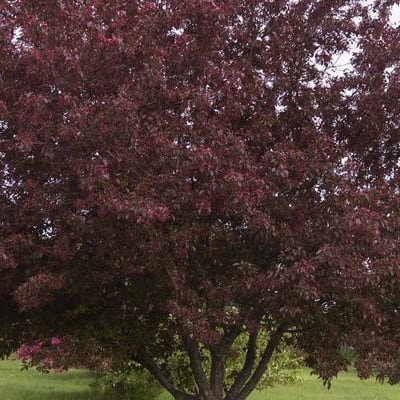
Malus spp. Dark red skin. Lovely in purply-pink bloom, but especially prized for its fabulous foliage. Reddish leaves turn to glossy purplish-green, fading to all purple in fall. Z3.
Brassica rapa var. perviridis (40 days) F-1 hybrid. Productive open plant habit with delicious round medium-green leaves. Spring sowings tolerate drought and heat into fall. Can be overwintered in warm climates.
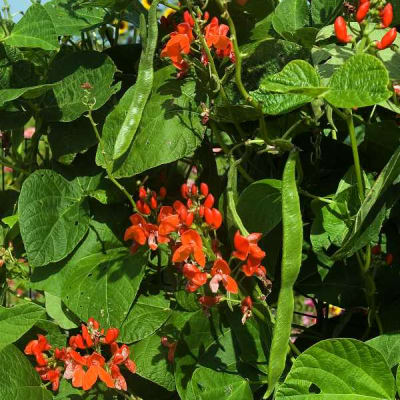
Phaseolus coccineus (70 days snap, 95 days shell) Open pollinated. 10-12' tall. Mottled black and purple seeds. Ornamental brilliant scarlet blossoms. Snap or shell bean.
Phaseolus vulgaris (85 days) Open pollinated. Dense foliage produces medium runners, lavender flowers and good yields of thin delicate pods each containing 5-6 lustrous black seeds.